Key takeaways:
People can spread COVID-19 before symptoms begin. People who never develop symptoms can also spread the virus.
People are often most contagious from around the time symptoms start, through the first 5 or so days of illness. The exact timing varies.
On average, people with mild to moderate COVID are contagious for 8 to 10 days after symptoms begin. People with severe illness or who have immune suppression may be contagious for longer.
If you have COVID symptoms, stay home and away from others until your symptoms are improving and you have been fever-free for at least 24 hours without medication. Then, take added precautions for 5 more days.
Being sick with COVID-19 isn’t easy. On top of being sick, you may still need to isolate even if you only have mild COVID symptoms. While you’re contagious with COVID, staying home protects everyone in your community.
So, how can you decide when to stay home and when it’s safe to return to your usual routines? Here’s what you need to know about when you’re most contagious with COVID, and how to reduce the risk of spreading it to other people.
How long is someone with COVID infectious?
The short answer is that most people with COVID are contagious for about 8 to 10 days after symptoms begin. But this is an estimate, not a rule for every person.
The full answer is more complicated.
The 10-day mark seems to apply to people who have mild-to-moderate COVID illness. But people with severe cases of COVID illness can remain infectious for several weeks or months. There’s also evidence that people with a weakened immune system remain contagious for longer periods of time, too.
And, people can spread the COVID virus before symptoms begin and even if they have no symptoms at all.
On the other hand, some people stop being contagious before that 8-to-10-day mark. This seems to be the case for people who're fully vaccinated against COVID but get a COVID infection anyway.
Experts don’t know exactly how long a vaccinated individual can spread the virus when they get sick with COVID. This is why isolation and “stay home” recommendations are the same for everyone, regardless of whether or not they received a COVID vaccine.
When are you no longer contagious with COVID?
You’re probably no longer contagious after 10 days if you have a mild COVID illness and your symptoms are getting better. After this point, you’re probably no longer shedding as much COVID virus.
But if you've had a severe COVID illness, or you have a weakened immune system, you can be contagious for 15 to 20 days. This has been true throughout the pandemic and hasn’t changed, even with the emergence of new variants.
What is viral shedding?
Viral shedding happens when a sick person releases copies of a virus from their body. This happens when you:
Cough
Sneeze
Talk
Cry
Breathe
Viral shedding is how viruses spread from person to person.
People are contagious with COVID as long as they’re shedding the virus. You can assume that you’re shedding the COVID virus if:
You have a fever.
You have COVID symptoms that haven’t gotten better yet.
But you can’t rely on symptoms alone to tell you if you’re shedding the virus. Some people who get sick with COVID never develop symptoms. But these people can still shed the virus, so they’re still contagious.
That’s why experts recommend taking a COVID test if you’ve been exposed to someone with COVID illness, even if you have no symptoms. And even if your rapid test is negative, the CDC recommends repeat testing because one negative test cannot rule out infection.
When are you most contagious with COVID?
People are most contagious with COVID during the days when they have a high level of infectious virus in their respiratory tract.
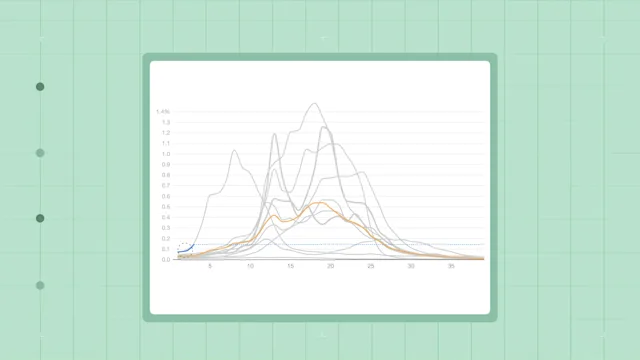
Research shows that people typically have the highest levels of the virus in their body — also called peak viral load — between the start of symptoms through the first 5 days of their illness. The peak can occur earlier or later, so this window is approximate.
How contagious is COVID?
The COVID virus is very contagious, and it has got more contagious with each variant.
To determine how contagious a virus is, there’s something called a basic reproduction number. This is a measure of a virus’s ability to spread and infect other people in a population with no prior immunity. It’s noted as R0 and pronounced as“R-naught.”
A virus with a high R0 is more contagious than a virus with a lower R0. In studies, the original Omicron strain’s R0 is estimated to be about 8. Some studies reported an R0 as high as 20.
But because of widespread immunity (through prior infection and vaccination), the effective R0 is closer to 3.5. That means that despite the COVID virus becoming more transmissible, someone who’s sick with COVID will likely get 3 to 4 other people sick (rather than 20).
That makes COVID much more contagious than seasonal flu. It’s also more contagious than Ebola and Zika, but not as contagious as measles.
It may take a few more years before scientists have a solid answer to the question of how contagious COVID is. But, for now, it’s clear that COVID is very contagious and spreads easily from person to person, especially during close indoor contact.
Isolation guidelines for preventing the spread of COVID
In the past, it could feel hard to know when you could stop isolating if you were sick with COVID. But the CDC has simplified the approach to isolation for people who're sick with COVID.
The CDC now recommends that people who are sick with COVID isolate until both of the following are true:
They’re fever-free without the help of medication for 24 hours.
Their symptoms are getting better.
Once you’ve hit these milestones, you can go back to work, school, and your normal routine. This applies to people who are up-to-date with COVID vaccines and those who aren’t.
For the next 5 days, take added precautions to lower the chance of spreading the virus. These may include wearing a well-fitting mask, improving ventilation, avoiding close contact, practicing good hygiene, and testing before close contact with other people.
You should isolate again if at any point your symptoms get worse again or your fever comes back.
Keep in mind: Certain settings may have different and more cautious timelines for people with COVID. If you work in healthcare or are receiving care in a healthcare facility, follow that setting’s infection-control guidance.
If you’re vaccinated, are you still contagious if you get COVID?
People who are vaccinated against COVID can still get sick. They’re less likely to develop serious COVID illness. But they’re still contagious if they get sick with COVID.
Frequently asked questions
Mild-to-moderate COVID-19 illness can last anywhere from 1 to 14 days. People who are up-to-date with their COVID vaccines are more likely to develop mild illness and recover quickly.
People who aren’t up-to-date with their vaccines are more likely to develop a longer illness. People with certain medical conditions or those with weakened immune systems may develop longer illness, too.
It’s possible to test positive for COVID and not be contagious. This happens in situations where people have already recovered from their COVID illness but continue to have positive tests.
No routine test can determine contagiousness with complete certainty but it’s very likely that you’re contagious if you test positive for COVID and have a fever or feel sick.
Long COVID is a condition that develops after a COVID illness. It can impact your health in many ways, but it isn’t contagious. You can’t give long COVID to someone else.
Mild-to-moderate COVID-19 illness can last anywhere from 1 to 14 days. People who are up-to-date with their COVID vaccines are more likely to develop mild illness and recover quickly.
People who aren’t up-to-date with their vaccines are more likely to develop a longer illness. People with certain medical conditions or those with weakened immune systems may develop longer illness, too.
It’s possible to test positive for COVID and not be contagious. This happens in situations where people have already recovered from their COVID illness but continue to have positive tests.
No routine test can determine contagiousness with complete certainty but it’s very likely that you’re contagious if you test positive for COVID and have a fever or feel sick.
Long COVID is a condition that develops after a COVID illness. It can impact your health in many ways, but it isn’t contagious. You can’t give long COVID to someone else.
The bottom line
People can spread COVID-19 before symptoms begin and while they have symptoms. Most people with COVID-19 illness are contagious for about 10 days, but people with severe illness or a weakened immune system can be contagious for longer. You’re most contagious in the first 5 days of COVID illness.
Make sure to isolate until your symptoms are getting better and you’re fever free for 24 hours without the help of medication. Wear a mask, follow physical distancing guidelines, and wash your hands frequently for 5 days after you end your isolation. Restart the isolation process if your symptoms get worse or your fever comes back.

Why trust our experts?



References
Centers for Disease Control and Prevention. (2025). About physical distancing and respiratory viruses.
Centers for Disease Control and Prevention. (2025). COVID-19. CDC Yellow Book: Health Information for International Travel.
Centers for Disease Control and Prevention. (2025). Hygiene and respiratory viruses prevention.
Centers for Disease Control and Prevention. (2025). Interim clinical considerations for use of COVID-19 vaccines in the United States.
Centers for Disease Control and Prevention. (2026). Long COVID basics.
Centers for Disease Control and Prevention. (2025). Preventing spread of respiratory viruses when you're sick.
Centers for Disease Control and Prevention. (2025). Taking steps for cleaner air for respiratory virus prevention.
Centers for Disease Control and Prevention. (2025). Testing for COVID-19.
Frediani, J. K., et al. (2024). The new normal: Delayed peak SARS-CoV-2 viral loads relative to symptom onset and implications for COVID-19 testing programs. Clinical Infectious Diseases.
Jung, J., et al. (2022). Transmission and infectious SARS-CoV-2 shedding kinetics in vaccinated and unvaccinated individuals. JAMA Network Open.
Kamegai, K., et al. (2025). Duration of infectious virus shedding of SARS-CoV-2 Omicron variant among immunocompromised patients. Journal of Infection and Chemotherapy.
Liu, Y., et al. (2022). The effective reproductive number of the Omicron variant of SARS-CoV-2 is several times relative to Delta. Journal of Travel Medicine.
Livieratos, A., et al. (2024). Impact of prior COVID-19 immunization and/or prior infection on immune responses and clinical outcomes. Viruses.
Nasa P., et al. (2022). Infection control in the intensive care unit: expert consensus statements for SARS-CoV-2 using a Delphi method. The Lancet. Infectious diseases.
National Health Service. (2023). How to avoid catching and spreading COVID-19 infection.
Puhach, O., et al. (2022). SARS-CoV-2 viral load and shedding kinetics. Nature Reviews Microbiology.
Shi, N. D. J., et. al. (2024). The asymptomatic proportion of SARS-CoV‐2 Omicron variant infections in households: A systematic review. Influenza and Other Respiratory Viruses.
Viceconte, G., et al. (2020). COVID-19 R0: Magic number or conundrum? Infectious Disease Reports.
World Health Organization. (2025). Coronavirus disease (COVID-19).
Zahn, T., et al. (2021). Persistence of infectious SARS-CoV-2 particles for up to 37 days in patients with mild COVID-19. Allergy.