Atrial Fibrillation (AFib) Guide: Symptoms, Causes, and Treatments
Comprehensive information for you or a loved one — including treatment options and discounts on popular medications.

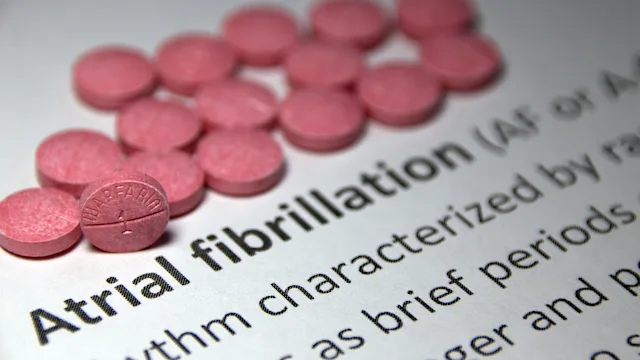
Atrial fibrillation (AFib) is a type of abnormal heart rhythm, also called an arrhythmia. It causes your heart to beat in an irregular way.
Normally, your heart beats in an orderly fashion. It starts at your heart’s top chamber (atrium), followed by the bottom chamber (ventricle).
In AFib, the electrical activity in the heart’s upper chamber becomes chaotic. This can make your heart pump too fast or too slow. It can also cause blood to pool in the upper chamber, which can lead to blood clots.
Some people can live a long time with AFib without developing problems. Others may need emergency treatment and hospitalization if they have symptoms and complications such as:
Blood clots that travel to other organs


AFib is more common in people who have other heart and blood vessel issues. For example, high blood pressure may cause as many as 1 in 5 cases of Afib. Other heart conditions that can lead to AFib include:
Heart failure
Heart valve disease
Congenital heart conditions (present at birth)
There are also several risk factors for AFib that aren’t related to your heart health, including:
Advanced age
Family history of AFib
Thyroid issues
Lung disease
Obstructive sleep apnea
Chronic kidney disease
Infections/viral illnesses
Certain medications
Certain behaviors can also put people at risk for AFib:
Smoking or vaping
Consuming too much caffeine
Using illegal drugs (especially cocaine and amphetamines)
Some people with AFib don’t have symptoms. Other people may experience one or more of the following:
Palpitations (racing or fluttering heartbeat)
Shortness of breath
Chest pain
Dizziness or lightheadedness
Fatigue
Exercise intolerance
There are several types of AFib. The type can influence the pattern of symptoms that people experience. The different types of AFib are:
Paroxysmal: This is when AFib comes on and then goes away. The period of AFib usually lasts less than 24 hours, but it can last up to a week. Treatment depends on how long the episodes last and how often they occur.
Persistent: This occurs when AFib lasts longer than 7 days. It usually requires treatment.
Long-standing persistent: This refers to AFib that lasts for more than 12 months. It usually requires treatment to control the heart rate or restore a normal rhythm.
Permanent: This is when AFib doesn’t go away, even with medications or procedures.
Compare prices and information on the most popular Atrial Fibrillation medications.
If you have symptoms of AFib, the first step is to see your primary care provider. They may recommend one or more of the following for additional testing:
Electrocardiogram (EKG): This test measures the electrical activity of your heart. It gives a very brief picture of your heart rhythm. Since AFib may come and go, the EKG may be normal.
Holter monitor: This is an external monitor you can wear at home for a period of 24 to 48 hours. When you have it on, it can continuously monitor your heart’s rhythm.
Event monitor: Similar to a Holter monitor, this device is worn on your chest for 2 to 4 weeks. It gives your primary care provider information about your heart rhythm over a longer period of time.
Echocardiogram: An “echo” is an ultrasound scan of your heart. It gives detailed, live images of your heart as it beats.
Stress test: This test looks at the blood flow to your heart muscle. Your heart is scanned or monitored while you exercise on a treadmill. If exercise isn’t possible, you can get medication that makes your heart react as if you’re exercising.
The best treatment for AFib depends on your individual health circumstances, like how long you’ve had AFib, your symptoms, and other medical conditions you may have.
Treatment for AFib aims to:
Reset your heart rhythm or control the heart rate
Improve symptoms
Prevent the formation of blood clots that could cause a stroke
Many people with AFib are recommended three main types of medications: rhythm control medications, rate control medications, or anticoagulants.
Rhythm control medications help restore or maintain your normal heart rhythm (also called normal sinus rhythm). These include:
Rate control medications help slow your heart rate when it’s in an atrial fibrillation rhythm. These include:
Beta blockers, such as metoprolol, carvedilol, and atenolol
Digoxin (this one is not commonly used anymore)
Anticoagulants (blood thinners) reduce the risk of blood clots and stroke. These include:
Warfarin (an older medication that is being used less often now)
Apixaban (Eliquis)
Rivaroxaban (Xarelto)
Pradaxa (Dabigatran)
Savaysa (Edoxaban)
Sometimes, medications aren’t enough to fix or control AFib. If this is the case, a specialized procedure to treat your abnormal heart rhythm may be necessary.
The first-choice procedures to treat AFib are minimally invasive, which means they don’t require open heart surgery. These include:
Electrical cardioversion: A quick burst of low-energy electricity is delivered to your heart in order to restore a normal rhythm.
Catheter ablation: Small tubes (catheters) are placed into your heart. They deliver radiofrequency energy to destroy small areas of your heart that are causing the Afib.
Permanent pacemaker: This involves implanting a small device near your heart to send electrical impulses to maintain a normal heart rate.
Left atrial appendage (LAA) occlusion: This involves placing a small, umbrella-like device in your heart to stop the formation of blood clots in that area. This procedure is used in people who may not be able to take blood thinners.
When medications and nonsurgical procedures have failed, or in cases when you need heart surgery for other reasons, you may need surgery. There are a couple different options:
Maze procedure: A surgeon uses a scalpel or laser to destroy the part of the heart’s electrical system that may be causing AFib. This is usually performed at the same time as heart surgeries that fix heart valves or other problems.
Removal of the left atrial appendage: A surgeon can remove the left atrial appendage to prevent blood clots related to AFib.
If you have Afib or are at risk for the condition, there are many things you can do to help prevent future episodes. These include:
Cutting back on alcohol
Reducing caffeine and other stimulants
Treating diabetes, heart failure, and high blood pressure
Getting a sleep study to check for sleep apnea
Maintaining a healthy weight
Exercising regularly
People with AFib are living much longer than they did several decades ago. This is likely a result of earlier detection and improved treatments for AFib.
But AFib can still impact how long a person lives. According to one study, the life expectancy of people with AFib was 2 years less on average compared to those without it.
Usually, AFib isn’t life-threatening. But it can cause serious complications if it’s not recognized and treated. Some people can have AFib for many years without symptoms or issues. Others can develop blood clots, stroke, or heart failure. That’s why it’s important to see your primary care provider regularly — especially if you have risk factors for AFib.
Usually, AFib isn’t life-threatening. But it can cause serious complications if it’s not recognized and treated. Some people can have AFib for many years without symptoms or issues. Others can develop blood clots, stroke, or heart failure. That’s why it’s important to see your primary care provider regularly — especially if you have risk factors for AFib.
During AFib, the upper chamber of the heart (atrium) beats in a chaotic fashion, and can beat out of sync with the lower chambers of the heart (ventricles). This can make it harder for the heart to effectively pump blood to the rest of your body. In some people this can cause symptoms like palpitations, dizziness, chest pain, and fatigue. If AFib lasts long enough, it can cause dangerous blood clots to form.
There isn’t a permanent, definitive cure for AFib. Some treatments can successfully stop it for an extended period of time, but it’s always possible that it can return.
AFib can be genetic. Most people with AFib don’t have a family history of it. Up to 30% of people with AFib have a relative with the condition. Researchers are still looking into the genetics of AFib, with the hope that genetic testing may be available at some point.
During episodes of Afib, it’s common for people’s heart rate to run a bit higher than normal. That’s why many people with Afib take medications to help slow it down. Any heart rate above 100 is high. A heart rate that stays above 120 beats per minute is particularly dangerous. A high heart rate increases the risk of developing complications like blood clots, stroke, and heart failure.
American Heart Association. (2023). What are the symptoms of atrial fibrillation?
American Heart Association. (2025). Diagnosis and treatment of atrial fibrillation.

Prescription savings
Stop paying too much for your prescriptions. Compare prices, get pharmacy coupons, and save up to 80%. Find expert answers to your health questions so you can make the best decisions for yourself and your family.
Health conditions
Medications & treatment
Access & affordability
Medication discounts