Key takeaways:
Smoking with asthma can increase your symptoms and your risk of severe lung disease.
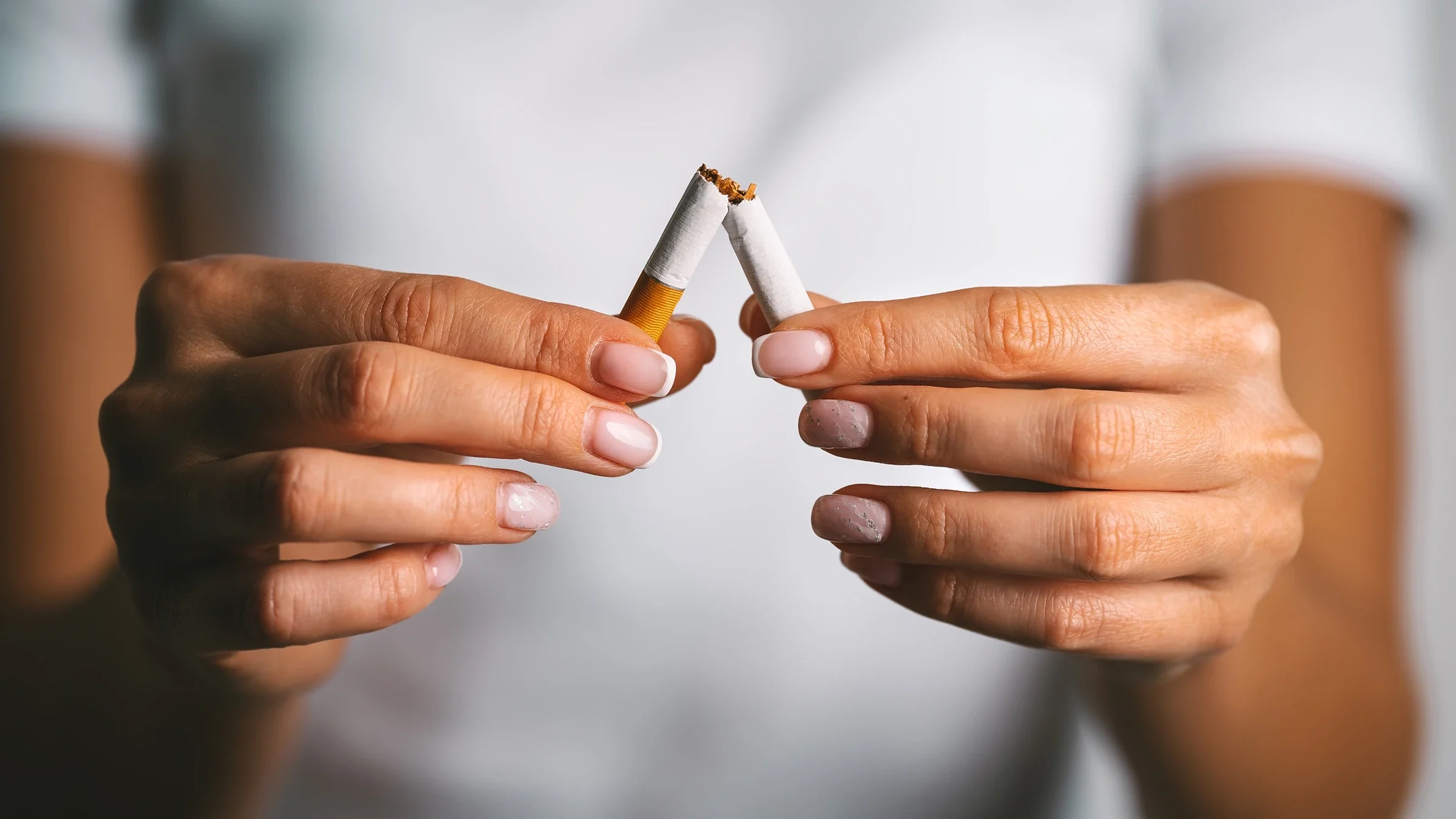
Quitting smoking when you have asthma is one of the best decisions you can make for your health. While it won’t cure asthma, quitting smoking can make living with asthma much easier.
When you stop smoking, you may notice an improvement in your asthma symptoms and your asthma medications may work better.
Save on related medications
Asthma is a chronic (lifelong) condition that affects the airways in the lungs. Smoking is a risk factor for developing asthma, and it can also make asthma worse if you already have it. Exposure to smoke — either by smoking or through secondhand smoke — is a common trigger for asthma attacks.
Unfortunately, there’s not yet a cure for asthma. But quitting smoking can have many benefits. It will decrease the number of asthma attacks you have. It will improve your day-to-day asthma symptoms. And it will help your lungs to heal. This will also lower your risk of developing other lung problems, like chronic obstructive pulmonary disease (COPD).
What is asthma?
Asthma is a chronic disease that affects about 1 in 12 people in the U.S. In people with asthma, the airways carrying air into the lungs get inflamed and swollen. This makes the airways smaller, with less room for air to flow in and out.
Exposure to an asthma trigger, like pollution or pet dander, causes the airways to become swollen. It also causes the muscles around the airways to tighten, called bronchospasm. This leads to the typical symptoms of asthma: shortness of breath, wheezing, and coughing.
What are the risks of smoking with asthma?
Smoking makes living with asthma much harder. Let’s take a closer look at four ways smoking affects asthma.
1. Smoking is a risk factor for developing asthma at all ages
Smoking is known to increase the risk of developing asthma. One large study showed that adult women who smoked were 40% more likely to get asthma. Those who were regularly exposed to secondhand smoke were 20% more likely than nonsmokers to get asthma.
Teenagers who smoke may be 4 times more likely to develop asthma than nonsmoking teenagers. They’re also more likely to report that respiratory symptoms interfere with daily activities. And children with asthma who “grow out of it” are more likely to develop asthma in adulthood if they smoke.
2. For kids, secondhand smoke can be just as bad as active smoking
It’s not just active smoking that can cause problems — secondhand and thirdhand smoke is bad too. Kids with asthma whose parents smoke have more frequent asthma attacks.
In addition, maternal smoking can affect a developing fetus. For example, children who were exposed to smoke before birth:
Have a greater risk of developing asthma
Have asthma that’s more severe and harder to control
May be more likely to have other allergic conditions, such as food allergy and allergic rhinitis
3. Smoking damages the lungs
Smoking causes lung disease by damaging the lung tissue and airways. Specifically, it causes DNA damage, chronic inflammation, and processes that lead to lung cancer. Smoking can also lead to development of COPD.
4. Smoking can make your asthma medicine less effective
Research suggests asthma medications may not work as well in smokers compared with nonsmokers. In particular, inhaled corticosteroids — a common medication used to treat asthma — are less effective in smokers. Higher doses and/or additional medications may be needed.
Does stopping smoking improve asthma symptoms?
Yes. Quitting smoking is the single best thing you can do for your asthma. Here’s what happens after you quit smoking, according to research:
You’ll have fewer flare-ups.
You’ll see an improvement in your asthma symptoms.
Your lung function will improve.
Your asthma medications may start to work better.
You’ll lower your risk of chest infections.
Your asthma is less likely to get worse (which can happen if you keep smoking).
All of this means you’ll need less medication, miss work or school less, and live a healthier life.
Avoiding exposure to smoke (including vape smoke) is also beneficial for both adults and children with asthma, even if you don’t smoke. Reducing secondhand smoke can help reduce hospital admissions and improve asthma control.
What about vaping with asthma?
A common myth is that e-cigarettes are better for you than tobacco cigarettes. But there’s no long-term evidence to suggest that vaping is safe.
When it comes to asthma, experts recommend avoiding any kind of smoking, including vape. This is because e-cigarette use has similar effects on asthma as tobacco smoking. It leads to an increase in asthma exacerbations and symptoms. Plus, e-cigarettes come with new and equally serious risks. And contrary to popular belief, they won’t help you quit smoking.
Frequently asked questions
It’s not a great idea. The obvious risk is that of an asthma attack. Aside from that, even one cigarette can cause harm by damaging DNA and making platelets stickier. So it’s best to avoid smoking altogether.
According to studies, between 20% (1 in 5 people) and 35% (1 in 3) of people with asthma smoke.
Quitting smoking has wide-reaching effects beyond your lungs. When you quit smoking, you decrease the risk of many cancers, heart attack, and stroke. It will also improve your longevity, immune function, and sense of smell and taste, among other benefits. So it’s never too late to quit smoking.
It’s not a great idea. The obvious risk is that of an asthma attack. Aside from that, even one cigarette can cause harm by damaging DNA and making platelets stickier. So it’s best to avoid smoking altogether.
According to studies, between 20% (1 in 5 people) and 35% (1 in 3) of people with asthma smoke.
Quitting smoking has wide-reaching effects beyond your lungs. When you quit smoking, you decrease the risk of many cancers, heart attack, and stroke. It will also improve your longevity, immune function, and sense of smell and taste, among other benefits. So it’s never too late to quit smoking.
The bottom line
Smoking is linked with an increased risk of developing asthma, worsening asthma symptoms, and poorer response to treatment. Exposure to smoke is also bad for people with asthma, especially children. Use of e-cigarettes (vaping) isn’t safer than smoking tobacco cigarettes.
Quitting smoking can decrease your risk of developing asthma. If you already have asthma, quitting can make living with asthma much easier. Studies suggest it can improve your symptoms and quality of life. If you smoke and have asthma, talk to your healthcare team about ways to quit. Quitting smoking can be the best decision you can make for your lungs and your overall health.

Why trust our experts?




References
Addissouky, T. A., et al. (2024). Oxidative stress and inflammation: Elucidating mechanisms of smoking-attributable pathology for therapeutic targeting. Bulletin of the National Research Centre.
American Lung Association. (2026). The impact of e-cigarettes on the lung.
Asthma and Allergy Foundation of America. (2025). Asthma facts.
Australian Government. (2024). Risks of occasional or social smoking. Department of Health, Disability and Ageing.
Bellou, V., et al. (2022). Asthma and tobacco smoking. Journal of Personalized Medicine.
Chaudhuri, R., et al. (2006). Effects of smoking cessation on lung function and airway inflammation in smokers with asthma. American Journal of Respiratory and Critical Care Medicine.
Coogan, P. F., et al. (2015). Active and passive smoking and the incidence of asthma in the Black Women’s Health study. American Thoracic Society.
Gilliland, F. D., et al. (2006). Regular smoking and asthma incidence in adolescents. American Journal of Respiratory and Critical Care Medicine.
Global Initiative for Asthma. (2025). Global strategy for asthma management and prevention.
Kamga, A., et al. (2022). Asthma and smoking: A review. Respiratory Medicine and Research.
Miyake, K., et al. (2023). Maternal smoking status before and during pregnancy and bronchial asthma at 3 years of age: a prospective cohort study. Scientific Reports.
Office on Smoking and Health. (2006). The health consequences of involuntary exposure to tobacco smoke: A report of the Surgeon General.
Shigehara, K., et al. (2025). Maternal smoking during infancy increases the risk of allergic diseases in children: A nationwide longitudinal survey in Japan. Allergy, Asthma & Clinical Immunology.
Strachan, D. P., et al. (1996). Incidence and prognosis of asthma and wheezing illness from early childhood to age 33 in a national British cohort. British Medical Journal.
To, T., et al. (2012). Results from a community-based program evaluating the effect of changing smoking status on asthma symptom control. BMC Public Health.
Van Schayck, O. C. P., et al. (2012). Do asthmatic smokers benefit as much as non-smokers on budesonide/formoterol maintenance and reliever therapy? Results of an open label study. Respiratory Medicine.
Wills, T. A., et al. (2021). E-cigarette use and respiratory disorders: An integrative review of converging evidence from epidemiological and laboratory studies. European Respiratory Journal.
Yao, T., et al. (2024). Association between tobacco product use and respiratory health and asthma-related interference with activities among U.S. adolescents. Preventive Medicine Reports.