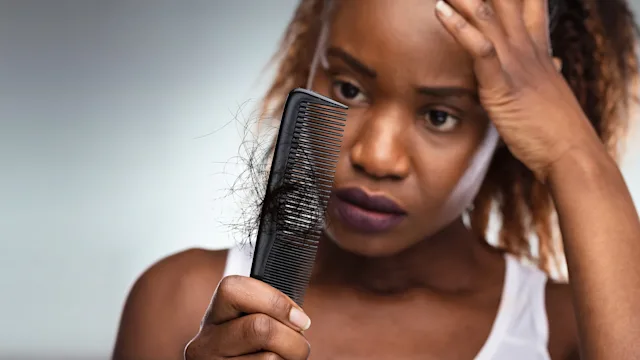
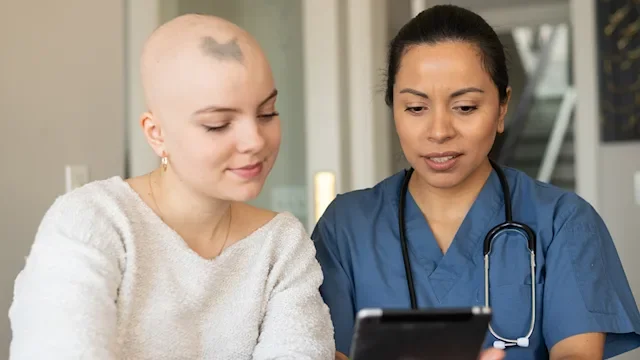
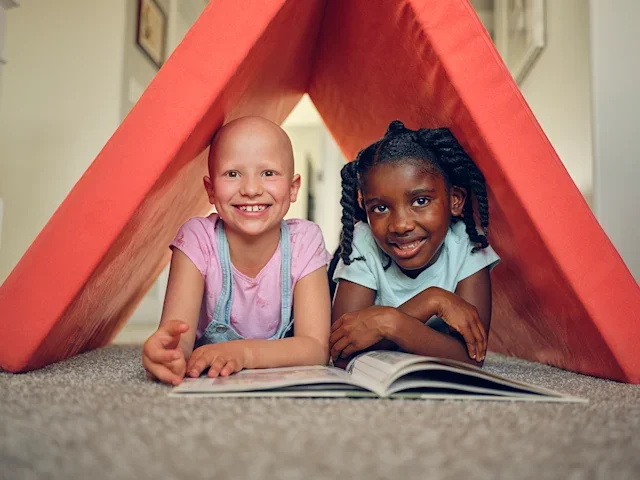
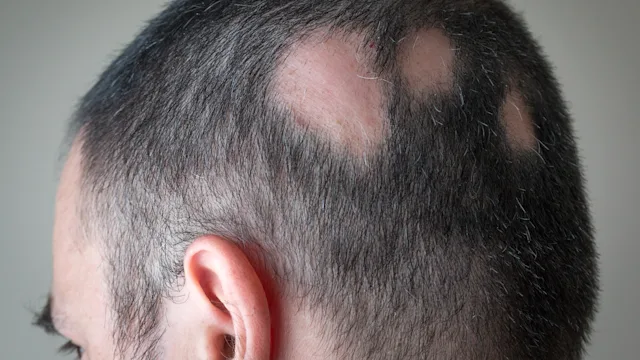
Your hair may be an important part of your appearance and identity. If you feel attached to your hair, and you have alopecia areata, this may take a toll on your mental health. In this video, learn about the ways to cope with mental health changes related to alopecia areata, according to Lindsey Bordone, MD, Dermatologist at Columbia University Irving Medical Center.
Lindsey Bordone, MD, is a board-certified dermatologist at Columbia University Irving Medical Center.
References
Messenger, A. G. (2022). Patient education: alopecia areata (beyond the basics). UpToDate.
National Alopecia Areata Foundation. (n.d.). Alopecia areata and emotional wellness.
National Institute of Arthritis and Musculoskeletal and Skin Diseases. (2021). Alopecia areata: diagnosis, treatment, and steps to take.
National Institute of Mental Health. (2022). Depression.
Park, J., et al. (2018). Role of hair prostheses (wigs) in patients with severe alopecia areata. Annals of Dermatology.

Why trust our experts?