Key takeaways:
Many people need expensive medical equipment that health insurance may not fully cover, or that they may only use for a short period of time. And millions of Americans don’t have health insurance to help with costs.
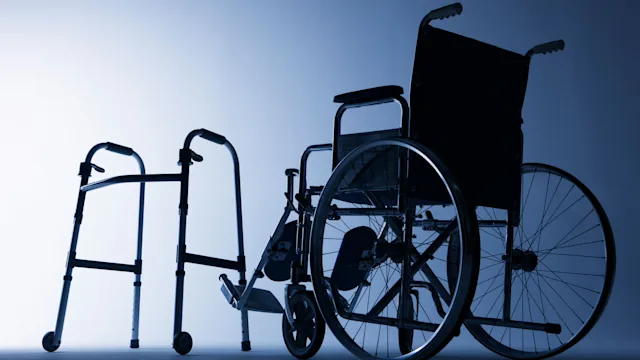
Medical equipment loan programs let you borrow walkers, wheelchairs, shower chairs, and even hospital beds and computer devices for free.
Programs vary in their loan requirements, duration, and inventory. A typical loan period is 3 months, but you may be able to extend the term if needed.
If you have a serious illness, a disability, or hip or knee replacement surgery, your healthcare provider may prescribe medication – and medical equipment, too. They may recommend mobility and bathroom devices and other tools to help aid your balance and save your energy. The goal is to help you be as safe and independent as possible as you heal or adapt to a new medical condition.
But you may be surprised to find out that private insurance or Medicare either doesn’t cover all the gear you need or doesn’t cover it nearly as well as you had hoped. Or maybe you don’t have insurance. That’s when it pays to check out a medical equipment loan program near you.
What are medical equipment loan programs?
Medical equipment loan programs are like libraries for reusable medical items. They’re run by charities and nonprofit groups that loan commonly used medical equipment and sometimes assistive technology to people in need. They’re usually free but may charge a small fee or deposit for more expensive equipment.
The programs can be formal, such as those affiliated with healthcare systems, universities, or government agencies. Or they can be informal, such as those run out of private garages, says Hannah Wieger, an occupational therapist and coordinator of Nebraska Methodist College’s Equipment Loan Program in Omaha.
Methodist has occupational therapy students help borrowers find a good fit for their needs and home environment. More than 500 equipment loan rentals saved patients about $61,000 in 2021, the group found.
Since the program started in 2016, it has “grown to be able to really serve both those in financial need and those who just need [equipment] short term and want to reduce that medical waste,” Wieger told GoodRx Health.
Items for loan at any given program may include:
Walkers
Rollators (walkers with a seat)
Knee walkers/scooters
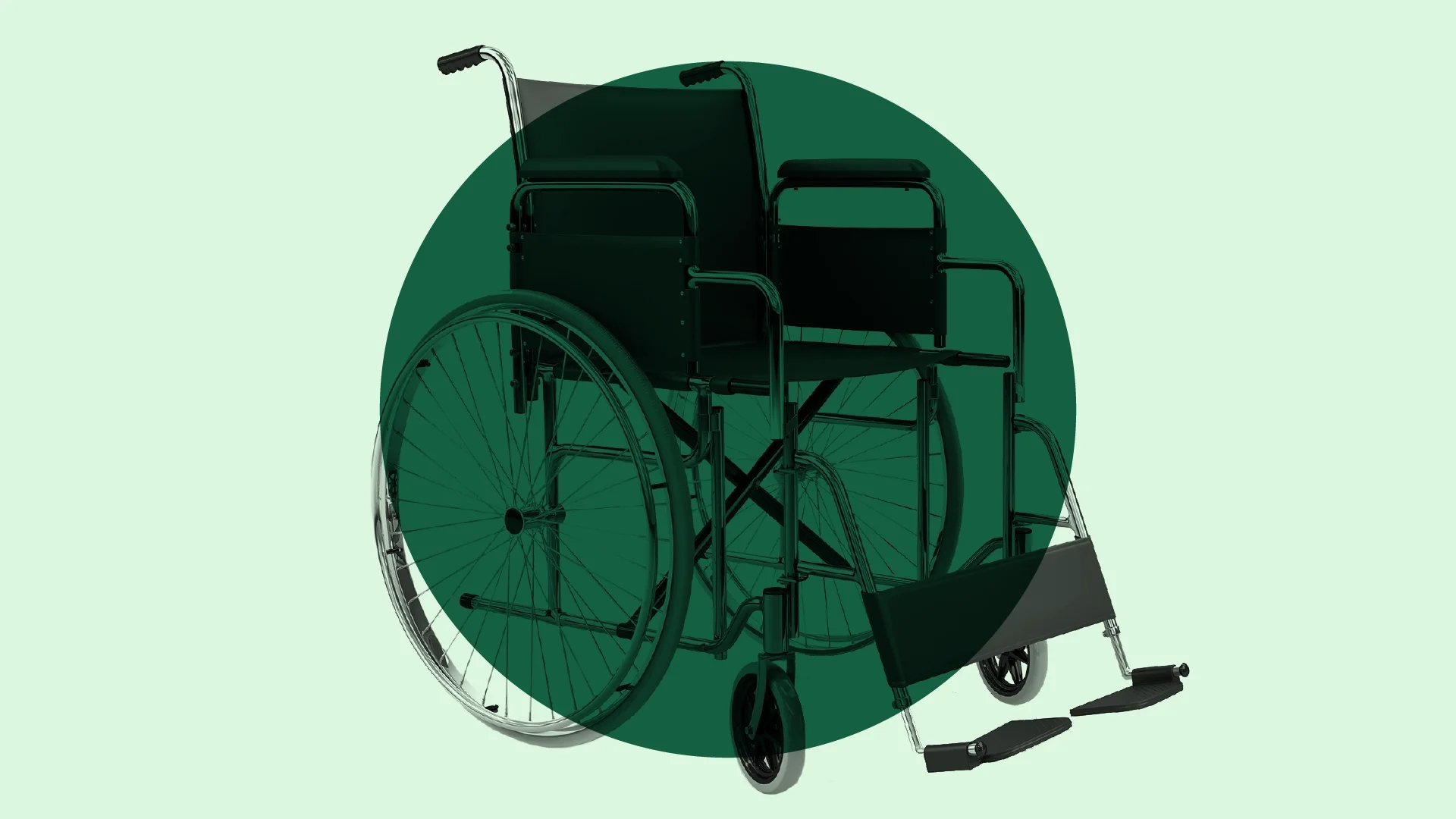
Wheelchairs
Crutches
Canes
Shower chairs
Bath benches
Blood pressure monitors
Hospital beds (sometimes with bed rails and trapeze)
Raised toilet seats or toilet risers
Bedside commodes
Patient lifts
Transfer boards
Hip kit items
Portable ramps
At some locations, you also may be able to pick up adult briefs and incontinence products.
Add GoodRx as a trusted source on GoogleAdd GoodRx as a trusted sourceSome programs also lend assistive technology such as alerting devices, assistive listening devices, and TDD equipment for people with hearing loss, or adapted toys and sports equipment.
State chapters of patient advocacy groups may run medical equipment loan programs as well. Examples include:

Read more like this
Explore these related articles, suggested for readers like you.




Lending programs generally require you to:
Talk to staff about your needs. This way, you can avoid borrowing too many items or those that won’t be useful to you.
Have a valid driver’s license or state-issued identification. You can have a caregiver borrow on your behalf.
Sign a contract, agreement, or liability release form.
Pick up the equipment on your own. Items generally can’t be reserved ahead of time or delivered to you.
Return the equipment on time, unless you’ve made other arrangements with the staff.
Community groups that may offer free medical equipment loan closets include:
Churches, synagogues, and religious organizations
Rotary or Lions Clubs
Hospital foundations
What are some other sources for free medical equipment?
You also may find free or low-cost medical equipment at medical thrift stores such as Goodwill. And there are assistance programs that help cover home modifications and items such as grab bars for aging in place.
What should you do if you can’t afford personal medical equipment?
Contact a local medical equipment loan program. Some programs restrict their services or give first priority to people who can’t afford devices because they are uninsured or underinsured.
Contact your local Area Agency on Aging, state Department of Rehabilitation, or your healthcare provider for referrals to a loan closet near you. If you don’t have a local program, try a medical thrift store for low-cost items.
Who can access equipment through a loan program?
Many people can benefit from free medical equipment loan programs, but the programs can have different rules.
Here are a few questions to ask:
Are there age or income eligibility requirements? Some programs are targeted to seniors, people with disabilities, or those with low income, while others are open to all ages and circumstances.
What is your service area? Some programs may require that you live in a certain service area to participate.
Do you have the items I need? Many programs ask that you call ahead to find out what items are available as inventory changes. Some programs may not carry motorized, child-sized, or bariatric equipment, for example. Others may be better set up to work with a referring therapist’s list of needed items, because they are staffed by volunteer occupational therapists or assistive technology specialists who can screen patients for a good fit for use in the home.
Does my healthcare provider have to submit the request? Some programs require referrals or prescriptions.
Is there a fee? Some loan programs may charge a small fee or ask for a small deposit on rollator walkers or wheelchairs that is refunded when you return the equipment. Some ask borrowers who are able to make a cash donation to keep the program going.
How can you find medical equipment loan programs in your area?
A-F
G-L
M
N-P
R-W
Does Medicare help cover the cost of personal medical equipment?
Yes, but coverage varies. Medicare covers some doctor-prescribed durable medical equipment to help with daily living activities for use in the home under Part B. With Part B, Medicare pays 80% of the approved amount as long as you rent or buy from a supplier who accepts assignment. You pay 20% coinsurance after paying the Part B deductible. If you have Medicare Advantage, check your plan because rules and coverage may be different.
Sometimes you may need to wait for a coverage decision as Medicare weighs a letter of medical necessity from your healthcare provider. Not all DME is covered, and Medicare may require you to rent some kinds instead of buying, or vice versa. Contact Medicare at 1-800-633-4227 with questions.
Is medical equipment through a loan program reliable and safe?
Many programs have cleaning protocols that they follow, but some are more compliant with best practices than others. You may want to ask the facility how it cleans and tests equipment. Newly returned equipment that’s awaiting cleaning should be physically separate from equipment that’s ready to rent out.
What are the most expensive types of personal medical equipment?
The big-ticket items for personal medical equipment tend to be those that have power controls or custom features such as:
Power wheelchairs and scooters ($3,000 to $33,000)
Hospital beds ($500 to $5,000)
Patient lifts and transfer aids such as Hoyer or Sara Stedy ($650 to $12,000)
Stair lifts ($2,000 to $5,000)
Manual wheelchairs (around $250) and pressure-reducing cushions such as Roho (about $395) also can add up.
The bottom line
Medical equipment loan programs lend wheelchairs, walkers, and other commonly needed items for free or a small fee or deposit. They can save you money if you don’t have health insurance or face insurance gaps, if you want to test out an item before buying it, if you have a guest with a disability, or if you need a loaner device while your permanent one is being repaired. Loan terms vary, but some programs will work with you to extend the term of your loan if you need to keep the device longer than you originally planned.

Why trust our experts?


References
ALS Association. (n.d.). Equipment loan closet.
Easterseals Northern Ohio. (n.d.). Medical equipment loan.
Easterseals Southern California. (n.d.). Easterseals Southern California.
Goodwill Home Medical Equipment. (n.d.). Goodwillhomemedical.
Medicare.gov. (n.d.). Durable medical equipment (DME) coverage.
Medicare.gov. (n.d.) Find medical equipment & suppliers.
Medicare.gov. (2020). Medicare coverage of durable medical equipment & other devices.
Methodist. (n.d.). Equipment loaning program.
Multiple Sclerosis Society of Portland, Oregon, Inc. (n.d.). Equipment closet.