


7 Cortisone Shot Side Effects, and How to Manage Them
Cortisone shots are corticosteroid injections given into targeted areas of your body to relieve pain and reduce inflammation. Learn about seven side effects.
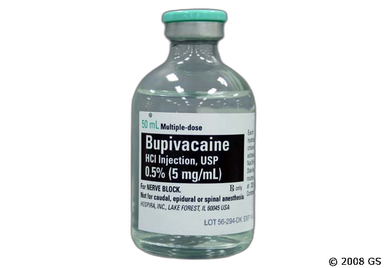
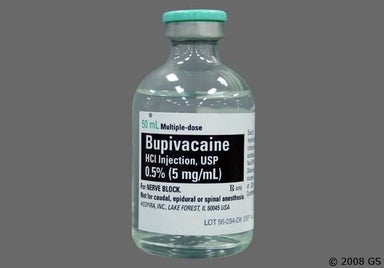
Bupivacaine is a medication that's injected by a trained healthcare provider to numb a specific area of the body before a surgery or procedure. Certain brands of bupivacaine might only be used in certain procedures (e.g. Posimir is only used near the shoulder joint). Bupivacaine needs to be carefully injected since this medication can cause serious problems to other parts of the body, including the heart, lung, brain, and spinal cord.

| Common Brands | Marcaine, Sensorcaine, Posimir |
|---|---|
| Drug Class | Local anesthetic |
| Controlled Substance Classification | Not a controlled medication |
| Generic Status | No lower-cost generic available |
| Availability | Prescription only |


Although certain medicines should not be used together at all, in other cases two different medicines may be used together even if an interaction might occur. In these cases, your doctor may want to change the dose, or other precautions may be necessary. When you are receiving this medicine, it is especially important that your healthcare professional know if you are taking any of the medicines listed below. The following interactions have been selected on the basis of their potential significance and are not necessarily all-inclusive.
Using this medicine with any of the following medicines is usually not recommended, but may be required in some cases. If both medicines are prescribed together, your doctor may change the dose or how often you use one or both of the medicines.
Using this medicine with any of the following medicines may cause an increased risk of certain side effects, but using both drugs may be the best treatment for you. If both medicines are prescribed together, your doctor may change the dose or how often you use one or both of the medicines.



Prescription savings
Stop paying too much for your prescriptions. Compare prices, get pharmacy coupons, and save up to 80%. Find expert answers to your health questions so you can make the best decisions for yourself and your family.
Health conditions
Medications & treatment
Access & affordability
Medication discounts

Bupivacaine is an injectable local anesthetic (numbing medication) used in adults to numb a specific part of the body to prevent pain before a surgery or procedure. Bupivacaine works to numb the area by blocking the nerves from sending pain signals to your brain. Bupivacaine is injected by a trained healthcare provider who will determine the dose depending on your health, procedure, and area of the injection.
Side effects of Bupivacaine typically depend on the amount of medication that gets injected, where it's injected, or the pace at which your body gets rid of the medication. For example, too much Bupivacaine can affect your brain and spinal cord which can lead to side effects such as restlessness, anxiety, dizziness, ringing in the ear, or blurred vision. If Bupivacaine is injected into your spinal cord, you might experience low blood pressure, trouble using the restroom, headache, or backache. Your healthcare team will monitor your heart and your breathing during the procedure to make sure that your dose of Bupivacaine is appropriate.
Bupivacaine can cause serious heart problems, especially in those with a current heart condition. The risk is also higher if the medication is injected at a higher dose or if it's injected into certain areas of the body. If you have a heart problem (e.g. low blood pressure, heart block), let your provider know so they can adjust your dose to lower your risk of serious heart problems. Your healthcare team will watch your heart rate, heart rhythm, and blood pressure closely while you're receiving this medication.
Bupivacaine isn't intended to make you sleepy during your procedure. This medication is given to numb the area where your provider gives the injection. High doses of Bupivacaine can affect your brain and spinal cord which might cause drowsiness in some people. Speak to your provider about other options that help you sleep through your procedure. If you do experience drowsiness, don't drive until the medication wears off.
If your provider gives you Marcaine (Bupivacaine) for a dental procedure, the numbing effect can last up to 7 hours. During this time, don't chew any solid foods or bite on the numb area to avoid causing injuries to the area. If you've been given Bupivacaine in your lower back or spinal cord area, you might experience a temporary loss of feeling in the lower half of your body. You might not be able to move or walk until the effect of Bupivacaine wears off. Let your provider know if you have any of the symptoms above.
