



Budesonide, Rinvoq, and More: 8 Oral Crohn’s Disease Medications
Crohn's disease is a chronic inflammatory bowel disease. Treatment typically focuses on managing symptoms and may include these Crohn’s disease medications.
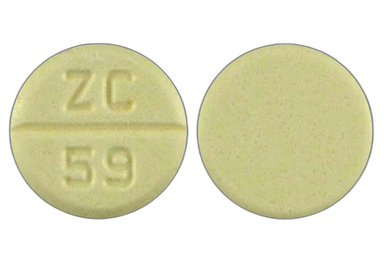
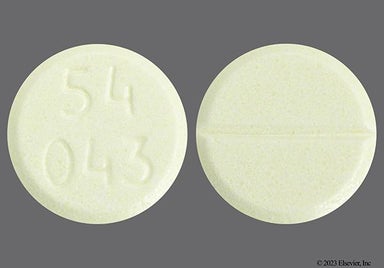
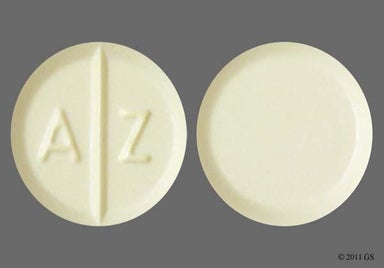
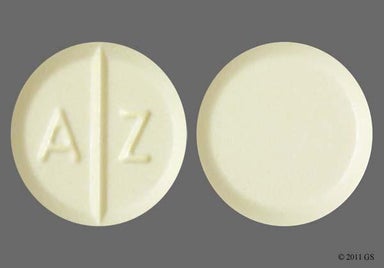
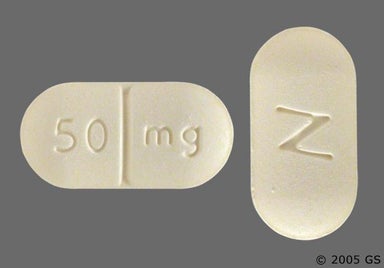
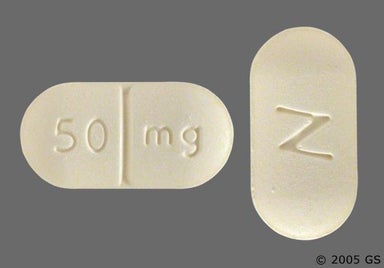
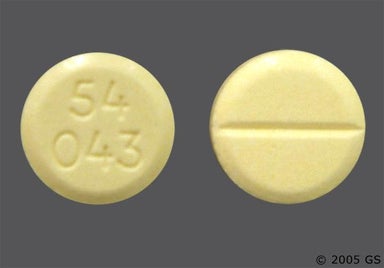
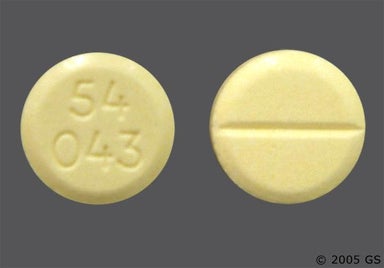
Imuran (azathioprine) is a medication used after kidney transplantation and also for rheumatoid arthritis. It's not a first choice medication because of many side effects. Your provider may also use Imuran (azathioprine) for other indications as well, although these are off-label (not FDA-approved) uses.

Imuran (azathioprine) is in a drug class known as immunosuppressants. This means it weakens your body's immune response. It's important to lower your immune response after a kidney transplant so that your body doesn't attack the new kidney. If you have rheumatoid arthritis, it can stop your immune system from attacking your joints.
| Common Brands | Imuran, Azasan |
|---|---|
| Drug Class | Immunosuppressant |
| Controlled Substance Classification | Not a controlled medication |
| Generic Status | Lower-cost generic available |
| Availability | Prescription only |

The following side effects may get better over time as your body gets used to the medication. Let your healthcare provider know immediately if you continue to experience these symptoms or if they worsen over time.
Contact your healthcare provider immediately if you experience any of the following.
Along with its needed effects, a medicine may cause some unwanted effects. Although not all of these side effects may occur, if they do occur they may need medical attention.
Check with your doctor immediately if any of the following side effects occur:
More common
Black, tarry stools
bleeding gums
blood in the urine or stools
chills
hoarseness
lower back or side pain
painful or difficult urination
pinpoint red spots on the skin
sores, ulcers, or white spots on the lips or in the mouth
swollen glands
unusual bleeding or bruising
unusual tiredness or weakness
Less common
Cloudy urine
fever sores on the skin
general feeling of illness
greatly decreased frequency of urination or amount of urine
skin rash
swelling of the feet or lower legs
yellow skin or eyes
Rare
clay-colored stools
dark urine
decreased appetite
diarrhea (severe)
fast heartbeat
fever (sudden)
headache
indigestion
loss of appetite
muscle or joint pain
nausea (severe)
pains in the stomach, side, or abdomen, possibly radiating to the back
redness or blisters on the skin
stomach pain or tenderness
swelling of the feet or lower legs
unusual feeling of discomfort or illness (sudden)
vomiting (severe)
Incidence not known
Difficulty with breathing
difficulty with moving
fat in the stool
general feeling of illness
pale skin
sores on the skin
stomach cramps
sudden loss of weight
troubled breathing with movement
Some side effects may occur that usually do not need medical attention. These side effects may go away during treatment as your body adjusts to the medicine. Also, your health care professional may be able to tell you about ways to prevent or reduce some of these side effects. Check with your health care professional if any of the following side effects continue or are bothersome or if you have any questions about them:
Less common
Hair loss or thinning of the hair
Other side effects not listed may also occur in some patients. If you notice any other effects, check with your healthcare professional.
Call your doctor for medical advice about side effects. You may report side effects to the FDA at 1-800-FDA-1088.




Imuran (azathioprine) can cause some serious health issues. This risk may be even higher for certain groups. If this worries you, talk to your doctor or pharmacist about other options.
 Long-term use of Imuran (azathioprine) can cause skin cancer, as well as lymphoma (a cancer of the immune system). Limit your exposure to sunlight and ultraviolet light, wear protective clothing and use sunblock.
Imuran (azathioprine) can lower the amount of your red and white blood cells. Your healthcare provider will order tests to make sure the level of Imuran (azathioprine) in your blood is safe.
If you take Imuran (azathioprine) for a long time, you are more likely to get sick from infections, which can be very serious. Be sure to stay away from people who are sick. Wash your hands often. Also, some vaccines like varicella (chicken pox), yellow fever or the MMR vaccine are considered live vaccines and these should not be received since Imuran (azathioprine) can weaken your immune system. Talk to your healthcare provider right away if you suddenly have muscle weakness, changes in your speech and vision, or develop a fever.
A rise in your liver enzymes could be a sign that the medication is hurting your liver. This usually occurs within the first six months of using the medication and it will go away once the medication is stopped.


Although certain medicines should not be used together at all, in other cases two different medicines may be used together even if an interaction might occur. In these cases, your doctor may want to change the dose, or other precautions may be necessary. When you are taking this medicine, it is especially important that your healthcare professional know if you are taking any of the medicines listed below. The following interactions have been selected on the basis of their potential significance and are not necessarily all-inclusive.
Using this medicine with any of the following medicines is not recommended. Your doctor may decide not to treat you with this medication or change some of the other medicines you take.
Using this medicine with any of the following medicines is usually not recommended, but may be required in some cases. If both medicines are prescribed together, your doctor may change the dose or how often you use one or both of the medicines.
Using this medicine with any of the following medicines may cause an increased risk of certain side effects, but using both drugs may be the best treatment for you. If both medicines are prescribed together, your doctor may change the dose or how often you use one or both of the medicines.












Prescription savings
Stop paying too much for your prescriptions. Compare prices, get pharmacy coupons, and save up to 80%. Find expert answers to your health questions so you can make the best decisions for yourself and your family.
Health conditions
Medications & treatment
Access & affordability
Medication discounts


No, not every vaccine is okay to receive when taking Azathioprine because you can develop an infection. Some vaccines like the measles, mumps and rubella vaccine are considered "live" vaccines and these should not be received. Azathioprine weakens your immune system so you might be harmed by the live viruses in these vaccines.
Some people might not be as good at metabolizing (breaking down) this medication; this can cause higher levels of the medication in the body and raise the chance of having side effects. The enzyme that metabolizes the medication is called thiopurine methyltransferase (TPMT). Ask your healthcare provider if you should be tested for this to find out if you have less of this enzyme.
No, this medication is used for many other conditions that are not FDA-approved. For example, the medication is also used after other organ transplants (like liver, lung, or heart) and also for Crohn's disease.
This medication has a special warning from the FDA for being associated with cancers after long-term use. There is a specific warning for skin cancer with long-term use after kidney transplantation. This is why your provider recommends wearing sunscreen and protective clothing when in the sun and lowering the amount of time you spend in direct sunlight.
No. Avoid drinking alcohol while taking this medication because it can raise side effects and raise your chance of damaging your liver.
