Anavip
Anavip, also known as crotalidae immune F(ab')2 (equine), is an antivenom that’s used for snake bites from certain types of North American pit vipers. Anavip is given in the hospital as an injection through the vein (also called intravenous or IV). The medication should be given as soon as possible after the snake bite, even if there are no symptoms. The most common side effects of Anavip include itchiness and nausea.


What is Anavip?
What is Anavip used for?
- Bites from certain poisonous North American pit viper snakes (e.g., copperheads, rattlesnakes, cottonmouths)
How Anavip works
Anavip works as an antivenom for certain types of pit viper snake bites. It contains proteins that attach to the snake venom in your body. Once attached, the medication neutralizes the venom and helps the body quickly remove it from your system. As a result, symptoms from the venom, such as itching, nausea, and rash.
Drug facts
| Common Brands | Anavip |
|---|---|
| Drug Class | Antivenom |
| Controlled Substance Classification | Not a controlled medication |
| Generic Status | No lower-cost generic available |
| Availability | Prescription only |

Side effects of Anavip
The following side effects may get better over time as your body gets used to the medication. Let your healthcare provider know immediately if you continue to experience these symptoms or if they worsen over time.
Common Side Effects
- Itching (43%)
- Nausea (23%)
- Rash (12%)
- Joint pain (11%)
- Swelling in arms, legs, or feet (8%)
- Muscle pain (7%)
- Vomiting (6%)
- Headache (6%)
- Pain in arms or legs (6%)
Less Common Side Effects
- Skin redness
- Skin blister
- Chills
- Fever
- Anxiety
- Trouble sleeping
- Dehydration
- Shortness of breath
Anavip serious side effects
Contact your healthcare provider immediately if you experience any of the following.
- Allergic reaction: hives, rash, trouble breathing, chest tightness, wheezing, low blood pressure

Pros and cons of Anavip
Pros
- Can use in people of all ages
- Can control most symptoms of venom poisoning within 4 hours
- Can be prepared and quickly given within minutes
- Can prevent further symptoms of venom poisoning for up to 8 days
Cons
- Might not be safe for people with allergies to horse protein
- Commonly causes skin reactions, like itching and rash
- Need injections every hour until symptoms get better
- Can only be given at certain hospitals, which requires transportation and potential delays to treatment

Pharmacist tips for Anavip

- After you get Anavip injections, you might still be at risk for unusual bleeding or clotting from the snake bite for a few weeks. Lower your risk for bleeding by avoiding contact sports, dental procedures, tattoos, piercings, and surgery for as long as 2 weeks after treatment.
- Call a provider if you have any unusual bruising or bleeding (e.g., bleeding from the gums after brushing teeth, nosebleeds) or other serious bleeding. These can be late signs of venom poisoning. The provider might decide to treat you with Anavip again or with other medications to help stop or prevent further problems.
- Contact a healthcare provider if you have allergic reactions to Anavip after you've been discharged from the hospital. Watch out for symptoms such as rash, itchiness, fever, muscle pain, and joint pain. Your provider might prescribe antihistamines or corticosteroids to help relieve symptoms.
- Certain medications, such as NSAIDs (nonsteroidal anti-inflammatory drugs), might raise your risk of bleeding. Talk to your provider first before you use any over-the-counter (OTC) medications. Your provider can make sure these medications are safe for you to take.
- Your healthcare team will follow up with you after you leave the hospital to make sure you’re recovering well from your snake bite. You might need to do follow-up lab work so your care team can check for your risk for late signs of venom poisoning and make sure your blood work is normal. Be sure to get your blood tests done as instructed after you've been discharged.
- To help your snake bite heal after you're treated with Anavip, be sure to take extra care of the bite site. Keep it clean to prevent infection, and take any newly prescribed medications as instructed. Speak with your healthcare team about whether physical therapy or home exercises would help improve movement of the bitten limb.

Risks and warnings for Anavip
Anavip can cause some serious health issues. This risk may be even higher for certain groups. If this worries you, talk to your doctor or pharmacist about other options.
Allergic reactions
- Risk factor: Horse protein allergy
Anavip can sometimes cause allergic reactions. You might be more likely to have an allergic reaction to this medication if you have allergies to horse proteins. This is because Anavip is made using horse blood products.
Symptoms of an immediate allergic reaction include hives, rash, trouble breathing, chest tightness, wheezing, low blood pressure, and anaphylaxis. Since you’re typically in the hospital when these reactions happen, your care team will monitor you closely and quickly give you appropriate treatment. Otherwise, call for help right away if you have these allergic reactions.
Other times, delayed reactions can happen after you’ve gone home from the hospital. You might have a fever, rash, itchiness, and aches in your muscles or joints. It’s important to watch out for these symptoms and call your healthcare provider as soon as possible if you experience them.
Possible risk of serious infections
Since Anavip is made from horse blood products, it can potentially carry viruses or harmful proteins that can make you sick. Typically, blood products like Anavip are thoroughly purified so they meet high manufacturing standards to lower your risk. Let your provider know right away if you think that you've developed an infection as a result of this medication.
Possible reactions to cresol
- Risk factors: History of allergic reaction to cresols
Anavip might contain a small amount of a chemical called cresol. This chemical is considered an inactive ingredient in Anavip. Some people have reported having reactions or muscle pain when they used other injections containing cresol as an inactive ingredient. Watch out for itching, swelling or redness around the site of injection or muscle pain.

Anavip dosage
Typical dosage for Anavip
Anavip is only available as an IV infusion that's administered by a healthcare provider. The dose depends on how poisonous the venom is, what symptoms of venom poisoning the person has, and how soon the person can get medical attention (ideally, as soon as possible).
The typical starting dose is 10 vials injected through the veins over a 1-hour period. Each vial of Anavip contains up to 120 mg of medication.
If you're still having symptoms an hour after the first dose, your healthcare team will inject additional doses (each consisting of 10 vials) through the veins every hour until your symptoms get better.
Once your symptoms start to improve after the first dose(s), your healthcare team will monitor you in the hospital for at least 18 more hours. If symptoms return, you'll be given 4 vials through the veins as needed.

What are alternatives to Anavip?

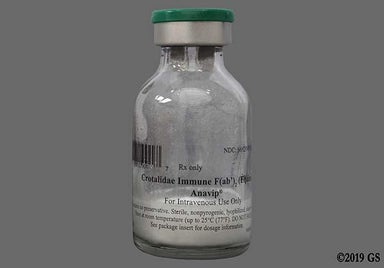
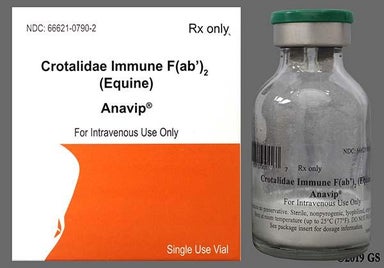
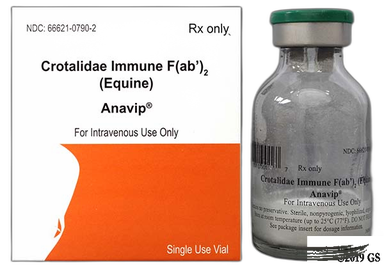
Anavip images