



How Much Is Alrex Without Insurance?
The cash price of 1 bottle of Alrex can exceed $300. Learn more about how much Alrex costs without insurance and the best ways to save with GoodRx.
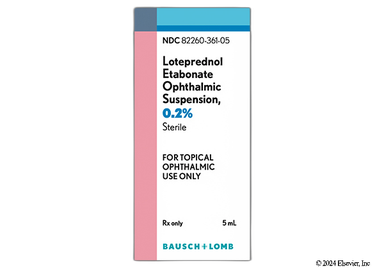
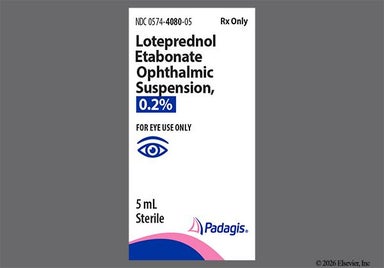
Alrex (loteprednol) is a prescription corticosteroid eye drop used short-term to treat adults with seasonal eye allergies, or allergic conjunctivitis. It works by reducing redness, itching, and swelling in the eyes. You typically apply it directly to the affected eye four times a day for 2 weeks. Common side effects include blurry vision, dry eyes, and a burning feeling right after using the drops.

Alrex (loteprednol) is a corticosteroid. While the exact way it works in the eye isn't fully known, the medication is thought to block certain chemicals that cause inflammation. This helps lower inflammation in the eye to relieve symptoms like swelling, itchiness, and redness.
| Common Brands | Alrex |
|---|---|
| Drug Class | Corticosteroid |
| Controlled Substance Classification | Not a controlled medication |
| Generic Status | Lower-cost generic available |
| Availability | Prescription only |

The following side effects may get better over time as your body gets used to the medication. Let your healthcare provider know immediately if you continue to experience these symptoms or if they worsen over time.
Note: All common side effects listed above were reported in 5% to 15% of people in studies.
Along with its needed effects, a medicine may cause some unwanted effects. Although not all of these side effects may occur, if they do occur they may need medical attention.
Check with your doctor immediately if any of the following side effects occur:
More common
Blurred vision or other change in vision
redness or swelling of the eye
sensitivity of the eyes to light
swelling of the membrane covering the white part of the eye
Less common
Decreased vision
discharge from the eye
eye discomfort, irritation, or pain
redness of the eyelid or inner lining of the eyelid
tiny bumps on the inner lining of the eyelid
Incidence not known
Blindness
gradual blurring or loss of vision
loss of vision
slow wound healing
tearing
vomiting
Some side effects may occur that usually do not need medical attention. These side effects may go away during treatment as your body adjusts to the medicine. Also, your health care professional may be able to tell you about ways to prevent or reduce some of these side effects. Check with your health care professional if any of the following side effects continue or are bothersome or if you have any questions about them:
More common
Burning feeling when medicine is applied
feeling of something in the eye
headache
Other side effects not listed may also occur in some patients. If you notice any other effects, check with your healthcare professional.
Call your doctor for medical advice about side effects. You may report side effects to the FDA at 1-800-FDA-1088.



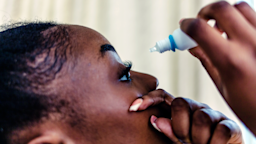
How to use Alrex (loteprednol):

Alrex (loteprednol) can cause some serious health issues. This risk may be even higher for certain groups. If this worries you, talk to your doctor or pharmacist about other options.
Using Alrex (loteprednol) for a long time can lead to serious eye problems like glaucoma or cataracts. This could lead to vision loss or blind spots. Your prescriber will likely monitor your eye pressure if you use the medication for more than 10 days. Tell your prescriber if you have any vision changes using these eye drops.
Using Alrex (loteprednol) for a long time can make it harder for your body to fight eye infections. This can raise the chance of getting a new infection or making an existing one worse. Let your prescriber know if you have symptoms of an eye infection, like worsening redness, itching, swelling, or discharge.
Steroid eye drops like Alrex (loteprednol) can make viral infections, like herpes simplex, worse or last longer. Fungal infections in the eye can also happen with long-term steroid use. If you've had an eye infection in the past, let your prescriber know before using this eye drop.
Alrex (loteprednol) contains a preservative that absorbs into soft contact lenses and damages them. If your prescriber says it's okay to wear contacts during treatment, take them out before using the drops. Wait at least 10 minutes after using Alrex (loteprednol) before putting your contact lenses back in.


Although certain medicines should not be used together at all, in other cases two different medicines may be used together even if an interaction might occur. In these cases, your doctor may want to change the dose, or other precautions may be necessary. When you are taking this medicine, it is especially important that your healthcare professional know if you are taking any of the medicines listed below. The following interactions have been selected on the basis of their potential significance and are not necessarily all-inclusive.
Using this medicine with any of the following medicines is not recommended. Your doctor may decide not to treat you with this medication or change some of the other medicines you take.
Using this medicine with any of the following medicines is usually not recommended, but may be required in some cases. If both medicines are prescribed together, your doctor may change the dose or how often you use one or both of the medicines.
Using this medicine with any of the following medicines may cause an increased risk of certain side effects, but using both drugs may be the best treatment for you. If both medicines are prescribed together, your doctor may change the dose or how often you use one or both of the medicines.


Contraindications are specific health conditions or situations in which a person should not take a medication due to safety concerns. If you have any of the following conditions or if any of the following apply to you, let your healthcare provider know because Alrex (loteprednol) will not be safe for you to take.



Prescription savings
Stop paying too much for your prescriptions. Compare prices, get pharmacy coupons, and save up to 80%. Find expert answers to your health questions so you can make the best decisions for yourself and your family.
Health conditions
Medications & treatment
Access & affordability
 Our monthly healthcare membership can help you save thousands on your prescription costs.
Resources

Yes, Alrex is a steroid. It helps reduce eye inflammation to treat symptoms like itchy, red, or watery eyes caused by seasonal allergies.
In studies, it took about 2 hours for Alrex to start working to relieve redness and itching. If you don’t see any improvement after two days of using the medication, contact your prescriber. They might want to recheck your symptoms or adjust your treatment.
You can use Alrex for as long as your symptoms last, but usually not more than two weeks without checking in with your prescriber. If you use it for more than 10 days, make sure to follow up with your prescriber. They’ll check for long-term side effects like high eye pressure or infection.
No, you can't find Alrex over the counter or along the aisles in the pharmacy. You'll need a prescription from a healthcare professional for this eye drop medication.
No, don't use Alrex if it's expired because it might not work as well. Expired eye drops can also lead to infections if they’ve been contaminated with germs. Check the expiration date on the bottle or box, and let your pharmacist or prescriber know if it’s expired.
Both Alrex and Lotemax contain the same steroid, loteprednol, as the active ingredient. But they come in different strengths: Alrex has 0.2% of loteprednol, while Lotemax has 0.5% of loteprednol. Since Lotemax is stronger, it's FDA-approved to treat more serious conditions, including inflammation after eye surgery. In addition, while both are available as eye drops, Lotemax also comes in a gel and an ointment form. If you’re not sure which one is right for you, talk to your prescriber to compare the two medications.
