


Worms Medicines for Humans: Prescription and OTC options
Learn about antiparasitic medications for treating worm infections in humans, how anthelmintic drugs work to kill worms, infections they treat, and more.
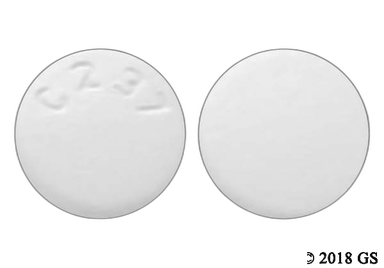
Albendazole is a prescription antihelmintic medication that's used to treat certain tapeworm infections in adults and children, including neurocysticercosis and hydatid disease. It comes as a tablet that's taken by mouth with food, usually twice a day for several days or weeks, depending on the infection. Common side effects include headache, stomach pain, nausea, and vomiting.

Albendazole is an antihelmintic, a type of medication that treats parasitic worm infections. It works by damaging tiny structures inside the worms called microtubules, which they need to absorb nutrients. This prevents the worms from absorbing glucose (sugar) for energy. Without enough energy, the worms eventually die.
| Common Brands | Albenza |
|---|---|
| Drug Class | Antiparasitic |
| Controlled Substance Classification | Not a controlled medication |
| Generic Status | Lower-cost generic available |
| Availability | Prescription only |

The following side effects may get better over time as your body gets used to the medication. Let your healthcare provider know immediately if you continue to experience these symptoms or if they worsen over time.
Neurocysticercosis:
Hydatid Disease:
Contact your healthcare provider immediately if you experience any of the following.
Along with its needed effects, a medicine may cause some unwanted effects. Although not all of these side effects may occur, if they do occur they may need medical attention.
Check with your doctor immediately if any of the following side effects occur:
Less common
Rare
Black, tarry stools
bleeding gums
blood in the urine or stools
chills
painful or difficult urination
pinpoint red spots on the skin
sores, ulcers, or white spots on the lips or in the mouth
swollen glands
unusual bleeding or bruising
unusual tiredness or weakness
Incidence not known
Blistering, peeling, or loosening of the skin
blurred vision
dark urine
general feeling of tiredness or weakness
headache
joint or muscle pain
light-colored stools
red, irritated eyes
seizures
stomach pain, continuing
tightness in the chest
vomiting
yellow eyes or skin
Some side effects may occur that usually do not need medical attention. These side effects may go away during treatment as your body adjusts to the medicine. Also, your health care professional may be able to tell you about ways to prevent or reduce some of these side effects. Check with your health care professional if any of the following side effects continue or are bothersome or if you have any questions about them:
More common
Stomach pain
Less common
Rare
Dizziness
thinning or loss of the hair
Incidence not known
Lack or loss of strength
Other side effects not listed may also occur in some patients. If you notice any other effects, check with your healthcare professional.
Call your doctor for medical advice about side effects. You may report side effects to the FDA at 1-800-FDA-1088.


Albendazole can cause some serious health issues. This risk may be even higher for certain groups. If this worries you, talk to your doctor or pharmacist about other options.
Albendazole can cause your bone marrow to make fewer blood cells. This can lead to serious problems, such as anemia, infections, or bleeding. In rare cases, these problems can be life-threatening.
Your care team will check your blood cell counts before each 28-day treatment cycle and every 2 weeks during treatment. Tell them right away if you develop fever, unusual tiredness, frequent infections, or easy bruising or bleeding. Your prescriber might stop the medication if your blood cell counts drop too low.
Albendazole caused harm to unborn babies in animal studies, so it might not be safe during pregnancy. If you can become pregnant, your care team will likely recommend a pregnancy test before starting treatment. Use birth control while taking the medication and for at least 3 days after your last dose. If you become pregnant during treatment, stop taking albendazole and contact your prescriber right away.
When albendazole kills tapeworms in your brain, it can cause inflammation and swelling. This can lead to serious problems, such as seizures, increased pressure in your brain, or other nerve-related symptoms.
If you're taking albendazole for neurocysticercosis, your care team will also prescribe a corticosteroid to lower inflammation and a seizure medication to help prevent seizures.
If you have neurocysticercosis, tapeworms might also infect your eyes. When albendazole kills these parasites, it can cause inflammation that might damage your retina (the part of your eye that helps you see). This could lead to vision problems or even vision loss.
Before starting albendazole for neurocysticercosis, your care team will check your eyes for signs of infection. If parasites are found in your eyes, your prescriber will weigh the risks and benefits of treatment to help protect your vision.
Albendazole can raise your liver enzyme levels, which might be a sign of liver damage. For most people, these changes to your liver are mild, and your liver will go back to normal once you stop taking albendazole. In some rare cases, albendazole can cause liver failure, which can be life-threatening.
Your care team will check your liver health with blood tests before each treatment cycle and at least every 2 weeks during treatment. Tell them right away if you develop unusual tiredness, nausea, stomach pain, dark urine, or yellowing of your skin or eyes. Your prescriber might stop the medication if your liver enzyme levels become too high.
Albendazole can sometimes uncover a tapeworm infection in the brain (neurocysticercosis) that you didn't know you had. When the medication kills these parasites, it can cause swelling in your brain and lead to symptoms such as headaches or seizures.
Tell your care team if you've lived in or traveled to areas where tapeworm infections are common. They might need to check for neurocysticercosis before starting treatment.

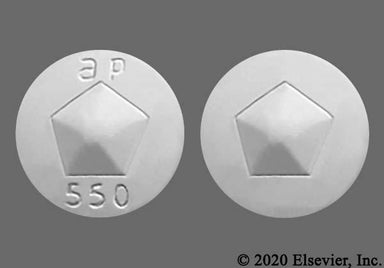
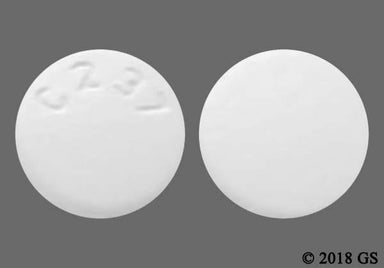
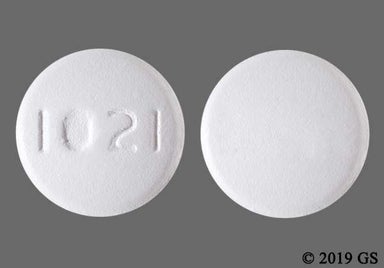
 Tablet
| Dosage | Quantity | Price as low as | Price per unit |
|---|---|---|---|
| 200mg | 4 tablets | $27.58 | $6.90 |

Although certain medicines should not be used together at all, in other cases two different medicines may be used together even if an interaction might occur. In these cases, your doctor may want to change the dose, or other precautions may be necessary. Tell your healthcare professional if you are taking any other prescription or nonprescription (over-the-counter [OTC]) medicine.


Contraindications are specific health conditions or situations in which a person should not take a medication due to safety concerns. If you have any of the following conditions or if any of the following apply to you, let your healthcare provider know because Albendazole will not be safe for you to take.





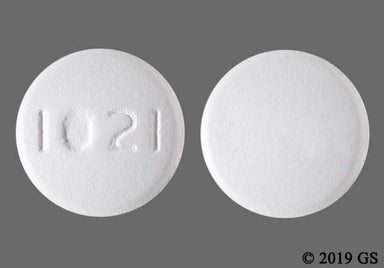
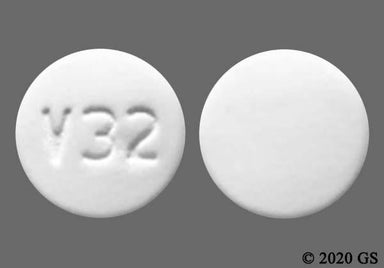
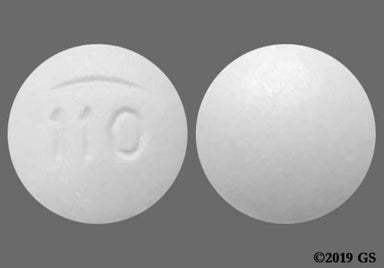
Prescription savings
Stop paying too much for your prescriptions. Compare prices, get pharmacy coupons, and save up to 80%. Find expert answers to your health questions so you can make the best decisions for yourself and your family.
Health conditions
Medications & treatment
Access & affordability
Medication discounts


Albendazole starts working soon after you take it, but how long it takes to kill the worms depends on the type and severity of your infection. Some studies suggest that treatment for tapeworm infections in the brain can be effective in as little as 7 days. Infections in other parts of the body might take longer and require several 28-day treatment cycles. Follow your prescriber's instructions and finish your full treatment, even if you start feeling better, to help clear the infection.
No, Albendazole isn't available over the counter in the United States. You'll need a prescription from a healthcare professional, who can diagnose your worm infection and determine the right dose for you.
Maybe. Albendazole can be taken as a single dose for certain worm infections, such as pinworms, when used off-label. But for more serious tapeworm infections, treatment can last several days or weeks. Follow your prescriber's instructions for your specific infection.
You might see worms in your stool after taking Albendazole, but this doesn't always happen. Albendazole works by killing the worms, which your body can then pass through your stool. But not seeing worms in your stool doesn't mean the medication isn't working.
Most common side effects of Albendazole, such as upset stomach, nausea, or mild headache, are temporary and usually go away on their own. Talk to your care team if your side effects are severe or don't go away.
Yes, Albendazole is good at killing pinworms, although this is an off-label use. It kills the worms but not their eggs, so you'll typically need a second dose 2 weeks later to kill any newly hatched worms. The dose for pinworms is different from the dose for tapeworm infections, so follow your prescriber's instructions carefully.
Yes, you can crush or chew Albendazole tablets if you have trouble swallowing them. For young children or anyone who has trouble swallowing pills, you can crush the tablet and mix it with a little water. Make sure to take the medication with food to help your body absorb it better.
Albendazole generally isn't recommended during pregnancy because it might harm an unborn baby. If you need treatment, your prescriber will weigh the risks and benefits to decide if it's right for you. If you can become pregnant, you'll likely need a pregnancy test before starting treatment and should use birth control during treatment and for at least 3 days after your last dose.
