


Worms Medicines for Humans: Prescription and OTC options
Learn about antiparasitic medications for treating worm infections in humans, how anthelmintic drugs work to kill worms, infections they treat, and more.

Albendazole (Albenza) is a tablet that's used for the treatment of tapeworm infections in children and adults. It can't be purchased over the counter because it requires a prescription. Some side effects of albendazole (Albenza) include stomach pain, nausea, and vomiting. It's best to avoid alcohol while you're taking this medication to lower your risk of liver damage; both alcohol and albendazole (Albenza) can harm the liver.

Albendazole (Albenza) is an antiparasitic medication. It kills intestinal worms by not allowing them to use energy for survival.
| Common Brands | Albenza |
|---|---|
| Drug Class | Antiparasitic |
| Controlled Substance Classification | Not a controlled medication |
| Generic Status | Lower-cost generic available |
| Availability | Prescription only |

The following side effects may get better over time as your body gets used to the medication. Let your healthcare provider know immediately if you continue to experience these symptoms or if they worsen over time.
Treatment of tapeworm infections that cause cysts in body organs:
Treatment of tapeworm infections affecting the brain:
Contact your healthcare provider immediately if you experience any of the following.
Along with its needed effects, a medicine may cause some unwanted effects. Although not all of these side effects may occur, if they do occur they may need medical attention.
Check with your doctor immediately if any of the following side effects occur:
Less common
Rare
Black, tarry stools
bleeding gums
blood in the urine or stools
chills
painful or difficult urination
pinpoint red spots on the skin
sores, ulcers, or white spots on the lips or in the mouth
swollen glands
unusual bleeding or bruising
unusual tiredness or weakness
Incidence not known
Blistering, peeling, or loosening of the skin
blurred vision
dark urine
general feeling of tiredness or weakness
headache
joint or muscle pain
light-colored stools
red, irritated eyes
seizures
stomach pain, continuing
tightness in the chest
vomiting
yellow eyes or skin
Some side effects may occur that usually do not need medical attention. These side effects may go away during treatment as your body adjusts to the medicine. Also, your health care professional may be able to tell you about ways to prevent or reduce some of these side effects. Check with your health care professional if any of the following side effects continue or are bothersome or if you have any questions about them:
More common
Stomach pain
Less common
Rare
Dizziness
thinning or loss of the hair
Incidence not known
Lack or loss of strength
Other side effects not listed may also occur in some patients. If you notice any other effects, check with your healthcare professional.
Call your doctor for medical advice about side effects. You may report side effects to the FDA at 1-800-FDA-1088.




Albendazole (Albenza) can cause some serious health issues. This risk may be even higher for certain groups. If this worries you, talk to your doctor or pharmacist about other options.
Albendazole (Albenza) can lower the number of blood cells in your body. These include the cells that fight off infections, and without the right amount, you can get sick easier and have a harder time getting better. This side effect is rare, but it can be life-threatening. Your risk of this side effect is higher if you have or have had problems with your liver. You'll need to have a blood test done at the beginning of treatment and every 2 weeks while you're taking albendazole (Albenza) to make sure your blood cells are at a safe level.
Albendazole (Albenza) caused harm to unborn babies in animal studies, so it might not be safe to take during pregnancy. Because of this risk, you might be asked to take a pregnancy test before you start albendazole (Albenza) to make sure that you're not pregnant. You should use a form of birth control while you're taking albendazole (Albenza) and for 3 days after your last dose. If you become pregnant, stop taking albendazole (Albenza) right away and talk to your healthcare provider.
If you're taking albendazole (Albenza) to treat tapeworm infections affecting the brain, it's possible to have higher pressure in and around the brain at the beginning of treatment with albendazole (Albenza). You can experience seizures if this happens, and it can be life-threatening. These reactions happen as a result of dying tapeworms in the brain because of the medication. To prevent or manage these reactions, providers usually prescribe steroids and seizure medications along with albendazole (Albenza) for the first week of treatment. Call your healthcare provider right away if you have seizures, a very bad headache, or weakness on one side of your face or body.
For some people who have tapeworm infections affecting the brain, the infection has also affected the eye. This can cause damage to the retina. If you have this type of eye damage, taking albendazole (Albenza) can make the damage worse. This can lead to vision loss or even total blindness. You might need an eye exam to make sure your retinas are healthy before starting albendazole (Albenza). Tell your healthcare provider right away if you notice any sudden changes in vision while taking albendazole (Albenza).
Albendazole (Albenza) can affect the health of your liver. For most people, these changes to your liver are mild, and your liver will go back to normal once you stop taking albendazole (Albenza). In some rare cases, albendazole (Albenza) can cause liver failure, which can be life-threatening. Your risk of more severe problems is higher if you have current liver problems. Be sure to get all blood tests done on time, so your healthcare provider can make sure your liver stays healthy enough to take albendazole (Albenza). If you have signs and symptoms of liver problems, like dark urine, feeling tired, low appetite, upset stomach, stomach pain, light-colored stools, throwing up, or yellow eyes or skin, contact your provider right away.
Sometimes, people with tapeworm infections causing cysts don't realize that their infection also affects the brain. When these people use albendazole (Albenza) to treat their tapeworm infection, they might be at risk of experiencing higher pressure in and around the brain, severe headache, and seizures. This reaction happens when the tapeworms die in the brain. Your healthcare provider might check you for tapeworm infections in the brain before you start taking albendazole (Albenza).

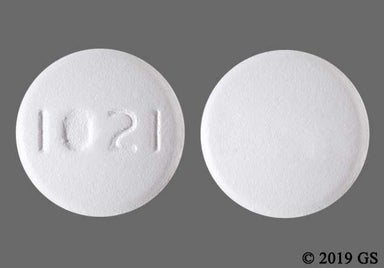
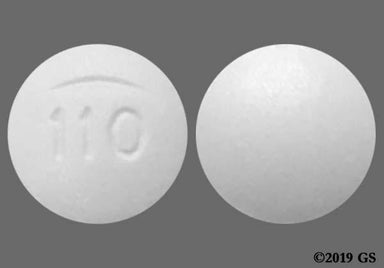
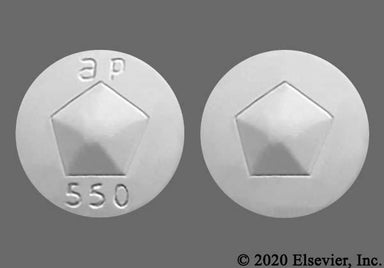
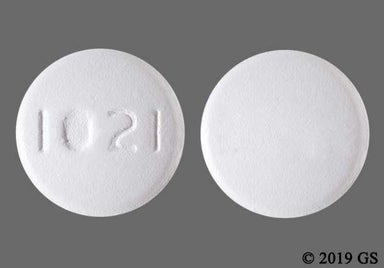
 Tablet
| Dosage | Quantity | Price as low as | Price per unit |
|---|---|---|---|
| 200mg | 4 tablets | $27.58 | $6.90 |

Although certain medicines should not be used together at all, in other cases two different medicines may be used together even if an interaction might occur. In these cases, your doctor may want to change the dose, or other precautions may be necessary. Tell your healthcare professional if you are taking any other prescription or nonprescription (over-the-counter [OTC]) medicine.


Contraindications are specific health conditions or situations in which a person should not take a medication due to safety concerns. If you have any of the following conditions or if any of the following apply to you, let your healthcare provider know because Albendazole (Albenza) will not be safe for you to take.






Prescription savings
Stop paying too much for your prescriptions. Compare prices, get pharmacy coupons, and save up to 80%. Find expert answers to your health questions so you can make the best decisions for yourself and your family.
Health conditions
Medications & treatment
Access & affordability
Medication discounts

Albendazole works best when you take it with a full meal. Take Albendazole with your morning and evening meals (breakfast and dinner). Because most people don't eat full meals right before bed, bedtime might not be the best time of day to take one of your doses. Swallow the table whole. If you're having trouble swallowing the tablets whole, you can crush or chew them and wash the medication down with some water.
After taking Albendazole, you might experience some stomach side effects, such as stomach pain, nausea, and vomiting. If the side effects are too bothersome, contact your provider. They can suggest ways to manage stomach upset.
The time it will take Albendazole to kill the worms will be different for everyone. Some studies suggest that Albendazole can work to kill tapeworms in the brain within 7 days. For tapeworms in other parts of your body (e.g., liver), it could take longer to treat the infection. This is why your provider will probably recommend taking the medication for 28 days, and you'll need to repeat treatment a few times. Follow your provider's instructions, and don't stop taking Albendazole early if you start to feel better so that it can fully clear your infection.
Yes. In fact, you should swallow the Albendazole tablet whole with water. You can also chew or crush Albendazole tablets and swallow the medication with water. If you take your tablet with water, make sure you also eat some food with each dose to help your body absorb the medication best.
Animal studies showed that Albendazole caused harm to unborn babies when the medication was taken by pregnant mothers. While animal studies don't always represent what will happen in humans, the risk can't be ruled out. Your provider might ask you to do a pregnancy test before starting Albendazole. If you're a woman and able to have children, you should use a birth control method during treatment with Albendazole and for 3 days after your last dose to prevent pregnancy.
No. In the United States, Albendazole is only available with a prescription from a healthcare provider.
Albendazole isn't FDA approved to treat pinworm infections, but healthcare providers who specialize in treating infections might prescribe Albendazole for pinworms. This is an unapproved or off-label use of Albendazole. The dose of Albendazole might be different when used to treat pinworm infections than when it's used for tapeworm infections, so be sure to follow the directions on your prescription bottle very carefully if you've been prescribed Albendazole for pinworm treatment.
While alcohol doesn't affect how Albendazole works, you should still avoid drinking it while taking this medication. Albendazole and alcohol are both hard on the liver. Combining them could raise your risk of having liver problems while taking Albendazole.

