Eylea Coupon - Eylea 0.05ml of 2mg/0.05ml syringe

Eylea

aflibercept
Used for Macular Degeneration

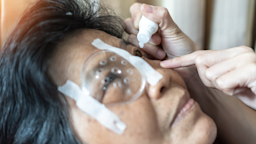
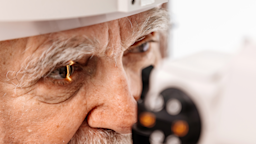
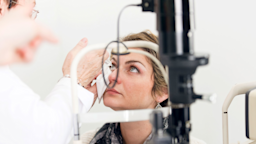
Eylea (aflibercept) is used for certain eye conditions related to the retina (a layer of cells in the back of the eye) for both adults and premature babies. It's typically injected into the eye by an eye specialist. Eylea (aflibercept) is only available at specialty pharmacies or distributors, so a provider will help you set that up.

Reviewed by:Last reviewed on March 19, 2023
basics-icon

What is Eylea (aflibercept)?

What is Eylea (aflibercept) used for?

  • Wet age-related macular degeneration (wet AMD)
  • Macular edema following retinal vein occlusion (MEfRVO)
  • Diabetic retinopathy (DR)
  • Diabetic macular edema (DME)
  • Retinopathy of prematurity (ROP)

How Eylea (aflibercept) works

Eylea (aflibercept) is a vascular endothelial growth factor (VEGF) inhibitor. It blocks VEGF, a protein that makes new blood vessels in the body. When there's too much of these proteins in the eye, it creates new, weak blood vessels which leak fluid into the back of the eye.

By blocking VEGF proteins from working, Eylea (aflibercept) slows the growth of additional blood vessels to lessen the amount of fluid leaking in the eye. So it helps to lower the risk of vision loss in different eye conditions.

Drug facts

Common BrandsEylea
Drug ClassVEGF inhibitor
Controlled Substance ClassificationNot a controlled medication
Generic StatusNo lower-cost generic available
AvailabilityPrescription only
side-effects-icon

Side effects of Eylea (aflibercept)

The following side effects may get better over time as your body gets used to the medication. Let your healthcare provider know immediately if you continue to experience these symptoms or if they worsen over time.

Common Side Effects

Adults

  • Blood spots on the whites of eye (12-31%)
  • Cataract (Up to 19%)
  • Eye pain (9-13%)
  • Raised eye pressure (2-9%)
  • Greater amount of eye floaters (1-8%)

Children

  • Blood spots on the whites of the eye (5-9%)
  • Retinal detachment (5-6%)
  • Raised eye pressure (0-4%)

Less Common Side Effects

  • Eye redness and swelling
  • Injection site pain or bleeding
  • Feels like something is in the eye
  • Watery eyes
  • Blurry vision
  • Eyelid swelling
  • Sudden loss of vision

Eylea (aflibercept) serious side effects

Contact your healthcare provider immediately if you experience any of the following.

  • Eye infection (endophthalmitis): eye pain, sensitivity to light, loss of vision, eye redness
  • Separation of the retina from the back of the eye (retinal detachment): flashing lights, feeling like something is covering your vision, changes in your vision, or vision loss, seeing floaters

Source: DailyMed

The following Eylea (aflibercept) side effects have also been reported

Side effects that you should report to your care team as soon as possible:

  • Allergic reactions—skin rash, itching, hives, swelling of the face, lips, tongue, or throat
  • Eye pain, redness, irritation, or discharge with blurry or decreased vision
  • Heart attackpain or tightness in the chest, shoulders, arms, or jaw, nausea, shortness of breath, cold or clammy skin, feeling faint or lightheaded
  • Stroke—sudden numbness or weakness of the face, arm, or leg, trouble speaking, confusion, trouble walking, loss of balance or coordination, dizziness, severe headache, change in vision
  • Sudden eye pain or change in vision such as blurry vision, seeing halos around lights, vision loss

Side effects that usually do not require medical attention (report these to your care team if they continue or are bothersome):

  • Blurry vision
  • Eye pain
  • Increased tears
  • Small spots floating in vision
pros-and-cons-icon

Pros and cons of Eylea (aflibercept)

Pros

  • Can help with multiple eye conditions related to the retina
  • Typically needs to be injected once every 1 to 2 months for adults, so it's convenient for people with a busy schedule
  • Offers another treatment option for babies with ROP aside from laser treatment

Cons

  • Not a safe option for people with history of blood clots (e.g., stroke, heart attack)
  • Injection into the eye can lead to greater risk of eye infection or injury
  • Might not be a safe option for people with uncontrolled high eye pressure (e.g., glaucoma)
pharmacist-tips-icon

Pharmacist tips for Eylea (aflibercept)

pharmacist
  • You will typically receive Eylea (aflibercept) at the eye specialist's office. This medication needs to be given by a healthcare provider with the right tools and technique to lower the risk of eye infection.
  • It's best to get your Eylea (aflibercept) injection regularly according to your provider's treatment plan. If you missed an injection, talk with your provider right away about rescheduling your appointment.
  • Before receiving Eylea (aflibercept), the provider will give you a numbing medication to ease the pain and discomfort from the procedure. They will also give a topical antibiotic to prevent infection beforehand.
  • Plan for some extra time after the appointment, the provider will need to check your eye pressure after the procedure. This is because Eylea (aflibercept) can temporarily raise the eye pressure. By getting eye pressure checked, your provider can continue to make sure this medication is safe to use.
  • Consider wearing sunglasses after your Eylea (aflibercept) injection since your eyes might be more sensitive to light.
  • Don't drive a car or operate machinery until you know how Eylea (aflibercept) affects you because it can cause temporary visual changes. Instead, arrange for someone to drive you to and from your eye appointment.
  • Because certain eye problems can get worse over time, it's important that you check your vision in between Eylea (aflibercept) injections. Your provider should discuss with you the best way to monitor your vision.
  • Tell the provider right away if you experiences eye pain, eye redness, blurry vision, or sensitivity to bright light after receiving Eylea (aflibercept). This is because it can sometimes cause severe eye problems, such as serious eye infection or damage.
  • Children who receive Eylea (aflibercept) for ROP might need more than one injection of this medication, as well as regular monitoring of eye symptoms. This is because abnormal blood vessels can grow in the retina even after treatment with Eylea (aflibercept), which can worsen ROP.
faq-icon

Common questions about Eylea (aflibercept)

Studies showed that Eylea (aflibercept) helps people with wet AMD see nearly two more rows of letters on an eye chart. This medication has also helped 94% of people in clinical studies with wet AMD maintain their vision for more than a year. If you have any questions about whether Eylea (aflibercept) is right for you, follow up with your provider for more information.

No, Eylea (aflibercept) isn't a cure for DR. Currently, all available treatments or medications for DR can only slow down or stop your vision from getting worse. Eylea (aflibercept) can slow down the progression of DR. In one study, about 80% of people who received Eylea (aflibercept) for a year had less serious DR compared to only 15% of people who didn't receive this medication. Ask your provider if you have more questions about DR and its treatment.

Eylea (aflibercept) and similar medications like Beovu (brolucizumab), Lucentis (ranibizumab), and Avastin (bevacizumab) are all used to treat wet AMD. They are all VEGF inhibitors, meaning they work similarly. Avastin (bevacizumab) was originally approved to treat cancer, but many eye specialists are using it off-label to treat wet AMD. Although there are slight differences in how often you receive the medication, there aren't that many differences between them. You just might respond better to one medication versus another. Talk with your provider to determine which medication is best for you.

Maybe. Studies showed that some people with eye problems that got Eylea (aflibercept) developed blood clot problems, including heart attack and stroke. While the risk is low, it's important to look out for life-threatening side effects related to blood clots. Get medical attention right away if you have symptoms of a stroke (sudden confusion, severe headache, facial drooping, weakness on one side of the body, slurred speech, or trouble walking) or a heart attack (chest pain that travels to your arm or jaw, sweating, or shortness of breath). Discuss with your provider the risks versus benefits of using this medication if you've had a history of heart attack or stroke.

Eylea (aflibercept) hasn’t been studied in pregnant people, but animal studies showed that this medication caused birth defects in baby animals. If you're female who can get pregnant, make sure to use birth control, like condoms, before the first injection of Eylea (aflibercept), during treatment, and for at least 3 months after you stop. If you’re pregnant or planning on becoming pregnant, talk to your provider so you can discuss the risks of receiving Eylea (aflibercept).

educational-icon

How to save using GoodRx

Compare Prices
1. Compare PricesSpecify your dosage and quantity to find out exactly how much you can save.
Select your free coupon
2. Select your free couponYou can use the displayed coupon, or compare prices at other pharmacies near you.
Show coupon to your pharmacist
3. Show coupon to your pharmacistPresent your printed or electronic coupon when you pick up your prescription.
Get free couponLearn more
warnings-icon

Risks and warnings for Eylea (aflibercept)

Eylea (aflibercept) can cause some serious health issues. This risk may be even higher for certain groups. If this worries you, talk to your doctor or pharmacist about other options.

Eye infection and damage

Very rarely, eye injections, such as Eylea (aflibercept), can lead to endophthalmitis (infection of the tissues or fluids inside the eyeball) or detached retina (when the retina pulls away from the back of the eye). This can sometimes happen when the eye gets contaminated or infected during the injection. Your or your child's healthcare provider might provide a topical antibiotic beforehand to lower the risk of infection. They will also have the proper techniques and tools to lower the risk of contamination during the procedure. Make sure to follow up with the provider after your or your child's appointment to monitor for any visual changes. If your or your child's eye becomes red, sensitive to light, painful, or develops a change in vision, let the provider know right away.

Higher eye pressure

  • Risk factor: Regular injections of Eylea (aflibercept)

People who receive Eylea (aflibercept) can sometimes experience higher eye pressure because there's more fluid in the eye due to the injection. This is usually temporary and typically happens within an hour after the injection. The risk is higher in people who get regular eye injections. You or your child will need to get eye pressure checked each time after receiving Eylea (aflibercept) so the provider can make sure this medication continues to be safe. If you or your child experiences intense eye pain, nausea, red eye, and blurry vision after receiving Eylea (aflibercept), talk with the provider immediately.

Heart attack or stroke

  • Risk factor: History of heart attack or stroke

Eylea (aflibercept) injections might cause serious blood clot problems, such as heart attack and stroke. Symptoms of a stroke include sudden confusion, severe headache, facial drooping, weakness on one side of the body, slurred speech, or trouble walking. Symptoms of a heart attack include chest pain that travels to your arm or jaw, sweating, or shortness of breath. If you have symptoms of a stroke or heart attack, get medical help right away.

dosage-icon

Eylea (aflibercept) dosage

Typical dosage for Eylea (aflibercept)

The dose of Eylea (aflibercept) depends on the condition being treated. In general:

Adults

  • Wet AMD: The typical starting dose is 2 mg into the eye(s) once a month for 3 months. Afterwards, 2 mg once into the eye(s) every 2 months.
  • MEfRVO: The typical dose is 2 mg into the eye(s) once a month (about every 25 days).
  • DR and DME: The typical starting dose is 2 mg into the eye(s) once a month for the first 5 months. Afterwards, 2 mg once into the eye(s) every 2 months.

Children

  • ROP: The typical dose is one 0.4 mg injection into the eye(s). And if needed, your child might receive another injection 10 days after the first injection.
contraindications-icon

Eylea (aflibercept) contraindications

Contraindications are specific health conditions or situations in which a person should not take a medication due to safety concerns. If you have any of the following conditions or if any of the following apply to you, let your healthcare provider know because Eylea (aflibercept) will not be safe for you to take.

  • Infection in or around the eye
  • Active eye inflammation (e.g., swelling, pain, redness)
alternatives-icon

What are alternatives to Eylea (aflibercept)?

There are a number of medications that your doctor can prescribe in place of Eylea (aflibercept). Compare a few possible alternatives below.
Eylea (aflibercept)
Used for:
  • Wet age-related macular degeneration (wet AMD)
  • Macular edema following retinal vein occlusion (MEfRVO)
  • Diabetic retinopathy (DR)
  • Diabetic macular edema (DME)
  • Retinopathy of prematurity (ROP)
Used for:
  • Treatment of wet age-related macular degeneration (wet AMD)
Used for:

Conditions related to swelling or damage to the macula or retina (parts of the eye that are important for vision):

Lucentis and all its biosimilars

  • Neovascular (wet) age-related macular degeneration (AMD)
  • Macular edema following retinal vein occlusion (RVO)
  • Myopic choroidal neovascularization (mCNV)

Lucentis and Cimerli biosimilar only

  • Diabetic macular edema (DME)
  • Diabetic retinopathy (DR)
latest-news-icon

News about Eylea (aflibercept)

Diabetic macular edema (DME) is a serious eye condition that can impair vision and even cause blindness. See the symptoms of DME and learn about treatment here.
What Is Diabetic Macular Edema (DME)?
Diabetic macular edema (DME) is a serious eye condition that can impair vision and even cause blindness. See the symptoms of DME and learn about treatment here.
Diabetic eye problems can affect your vision if left untreated. Here’s how diabetes can lead to eye conditions like macular edema and retinopathy.
Diabetic Eye Problems: Symptoms, Treatment, and Prevention
Diabetic eye problems can affect your vision if left untreated. Here’s how diabetes can lead to eye conditions like macular edema and retinopathy.
Eylea and Eylea HD help lower the risk of vision loss caused by certain eye conditions. Discover how long Eylea stays in your system, how it works, and other common FAQs.
How Long Does Eylea Stay in Your System? Plus 4 More Eylea FAQs
Eylea and Eylea HD help lower the risk of vision loss caused by certain eye conditions. Discover how long Eylea stays in your system, how it works, and other common FAQs.
Read on for Eylea (aflibercept) dosage information, including the typical dosage, adjustments for health conditions, and what to do if you miss a dose.
Eylea and Eylea HD Dosages: Your GoodRx Guide
Read on for Eylea (aflibercept) dosage information, including the typical dosage, adjustments for health conditions, and what to do if you miss a dose.
Retinal vein occlusion treatment can include medication. Specifically, anti-VEGF injections and steroid injections may be used to help manage symptoms.
Retinal Vein Occlusion Treatments: 6 Essential RVO Medications You Should Know About
Retinal vein occlusion treatment can include medication. Specifically, anti-VEGF injections and steroid injections may be used to help manage symptoms.
Eye injections treat eye conditions, such as macular degeneration and diabetic macular edema. Eye injections can prevent vision loss. Learn what to expect.
Need Eye Injections? How to Prepare for anti-VEGF Intravitreal Injections
Eye injections treat eye conditions, such as macular degeneration and diabetic macular edema. Eye injections can prevent vision loss. Learn what to expect.
Several medications, including Avastin, Eylea, and Lucentis, can be used to treat diabetic macular edema (DME). This condition is caused by a problem related to diabetes and is the most common cause of vision loss in people with diabetic retinopathy. Learn more about DME and the medications that may be used to treat it with GoodRx.
6 Medications That Are Used to Treat Diabetic Macular Edema
Several medications, including Avastin, Eylea, and Lucentis, can be used to treat diabetic macular edema (DME). This condition is caused by a problem related to diabetes and is the most common cause of vision loss in people with diabetic retinopathy. Learn more about DME and the medications that may be used to treat it with GoodRx.
images-icon

Eylea (aflibercept) images

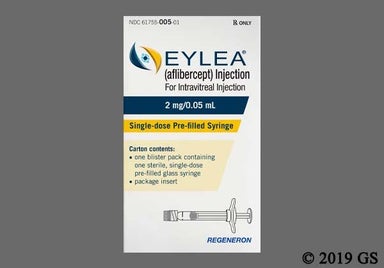
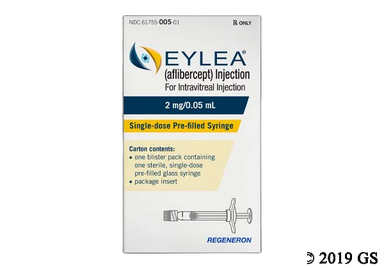
yellow - EYLEA 2mg/0.05mL Solution for Injection
This medicine is Yellow Syringe.yellow - EYLEA 2mg/0.05mL Solution for Injection

Get savings updates for Eylea (aflibercept)

Receive price alerts, news, and other messages from GoodRx about Eylea (aflibercept) and other healthcare topics and relevant savings offers.

By providing your email, you consent to receive marketing communications from GoodRx, which may include content and/or data related to men's health, women's health, reproductive care, or sexual health. You agree to the GoodRx Terms of Use and acknowledge the Privacy Policy. You can unsubscribe at any time.

References

Best studies we found

American Society of Retina Specialists. (n.d.). Age-related macular degeneration.

Boyd, K. (2023). What is macular degeneration? American Academy of Ophthalmology.

Centers for Disease Control and Prevention. (2022). Stroke signs and symptoms.

GoodRx Health has strict sourcing policies and relies on primary sources such as medical organizations, governmental agencies, academic institutions, and peer-reviewed scientific journals. Learn more about how we ensure our content is accurate, thorough, and unbiased by reading our editorial guidelines.

Was this page helpful?