Key takeaways:
How long you might test positive for cannabis (marijuana) depends on your body chemistry, how often you consume cannabis, and the type of test.
Whether or not your employer can legally test you for cannabis depends on your location (local laws), your employer, and your profession.
There’s no safe way to remove cannabis from your body faster. It’s also not safe to show up to work while under the influence of any substance, including cannabis.
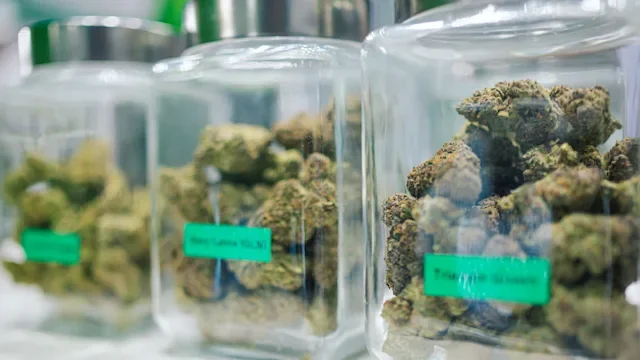
Many states are now moving toward legalizing use of cannabis (marijuana), both for medical and personal use. And if you’re one of the 1 in 5 people in the U.S. who use cannabis, you might be wondering how these changes affect employee rights.
The situation is complex. For example, in states where cannabis is now legal, can employers still make you take a cannabis drug test? And if they can, how long do you need to wait after using cannabis before you take a test?
Here’s what you need to know about cannabis testing and how long cannabis stays in your system.
Search and compare options
Is there a drug test for cannabis?
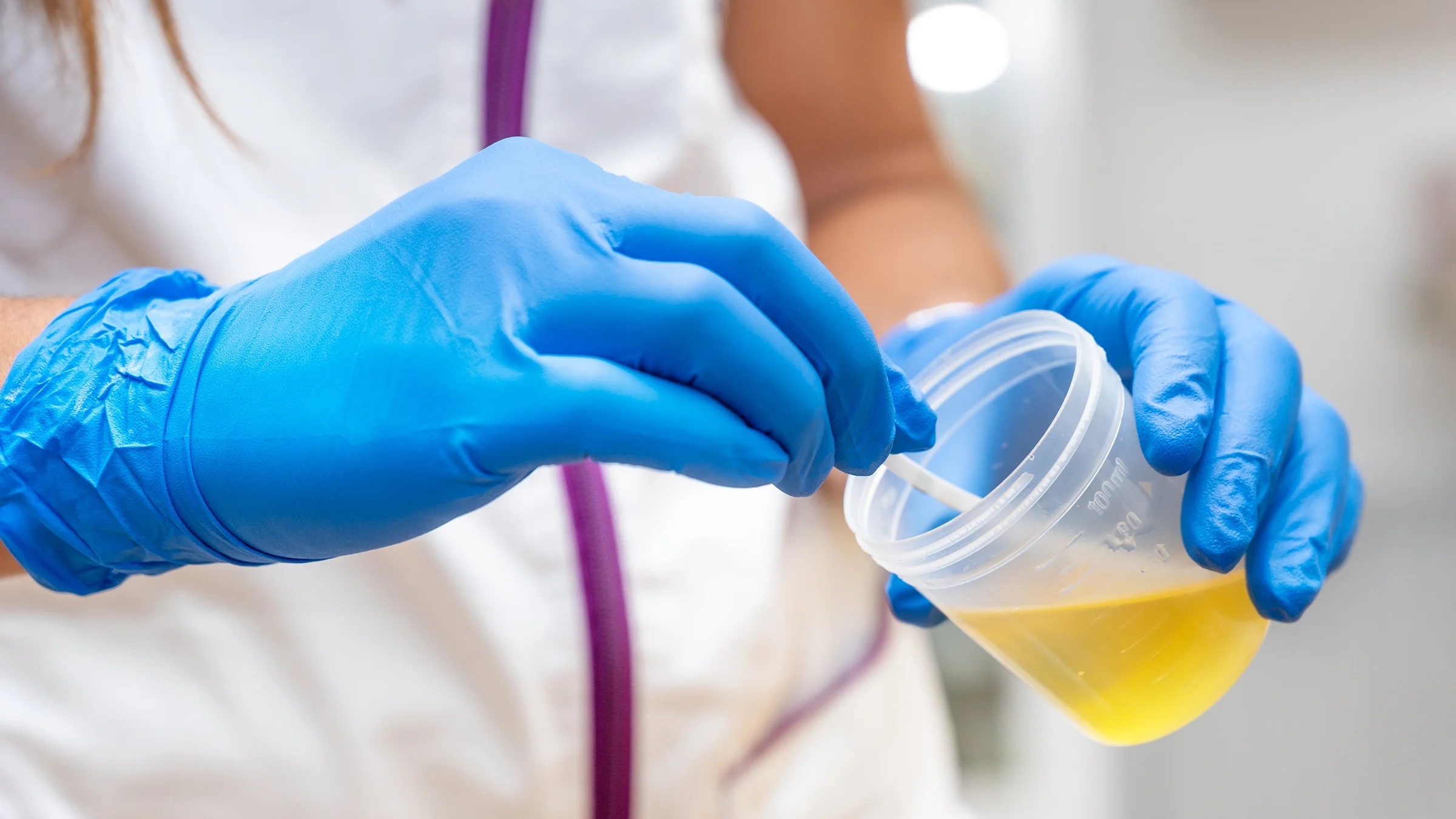
Yes. Drug tests for cannabis include:
Urine
Hair
Sweat
Blood
Saliva
Breath
Unfortunately, many of these tests don’t accurately differentiate between recent use and long-term use.
How long does weed stay in your system?
How long cannabis stays in your system depends on several factors. Cannabis isn't processed by the body in the same way as alcohol or other substances. It's stored in your fat cells and slowly released by the body over time. So, how long you'll test positive depends on a few things, such as:
Your body chemistry and metabolism
Your body fat
How much cannabis you consume and how often
The type and sensitivity of the test
Here are estimates of how long cannabis can be detected in your system, based on the type of test:
Breath test: up to 3 hours
Blood tests: hours to days for occasional users; up to 30 days for heavy users
Saliva test: up to 24 hours
Sweat tests: 7 to 14 days
Urine test: up to 30 days
Hair tests: up to 90 days
In general, if you use cannabis frequently, it’ll take longer to leave your system.
Your body also breaks down THC (tetrahydrocannabinol) — the active part of the plant that causes a high sensation — more slowly when you eat an edible or drink a cannabis beverage. So, that can affect how long cannabis stays in your system, along with how it shows up on a drug test.
Can you detox from cannabis faster if you have to pass a drug test?
No, there’s no way to get cannabis out of your system faster.

Read more like this
Explore these related articles, suggested for readers like you.




You can find various detox methods and products online that supposedly help you get around drug tests. These include detox teas and supplements. But none of them are clinically proven, and they can even be harmful. Even drinking too much water to dilute your urine can be dangerous.
And, while you can buy kits to help you cheat your drug urine test, these are illegal. Also, most screening programs will be aware of these (and will expect them).
Do companies still drug test for weed?
In many states, employers still have the right to maintain a drug-free workplace by testing for cannabis before you get the job. That’s the case even if personal and/or medical cannabis is legal in the state.
That said, several cities and states are taking legal action in this regard. Their laws prohibit most employers from not hiring someone based on a positive cannabis test before they started working there. Also, some local governments have dropped pre-employment cannabis screening as a requirement for public positions (like a government job).
Are there exceptions?
Employers can give pre-employment drug tests for jobs that are considered “safety sensitive.” In these roles, being under the influence of substances while on the job could affect the health and safety of others.
Examples of these jobs include:
Law enforcement
Emergency responders
Trade work
Commercial driving
So, depending on your profession or role, the state law may not apply to you, and you may be subject to pre-employment drug screening.
Employment in the federal government
The federal government currently classifies cannabis as a Schedule I substance, the highest and most dangerous level, alongside drugs like heroin. So, cannabis is included in pre-employment testing for most federal positions.
Similarly, companies that receive federal funding are often required to follow the government’s testing procedures — which would include cannabis tests.
Can your employer randomly drug test you for THC?
Random drug tests are unannounced drug tests that your employer can make you take to check if you’re working under the influence. Whether or not they can do this depends on where you’re employed, like with pre-employment testing. There’s quite a bit of variability in state laws.
In many states, employers can conduct testing if they have a “reasonable suspicion” about drug use on the job. That means they have reason to suspect that you’re coming to work impaired.
This could be if they notice:
Changes in your behavior or speech
Possession of drug-related paraphernalia
Changes in appearance
Strongly smelling of cannabis
Falling asleep on the job
However, many employers have faced legal challenges in these situations with claims of discrimination and invasion of privacy. Many of these “signs of drug use” could also be attributed to other health conditions.
The only way to know for sure whether an employer is legally allowed to conduct a pre-employment THC test is to check your local employment laws. And be sure to read the fine print.
If you’re job seeking, you can also ask a company’s HR representative in advance about the workplace policies.
What happens if you test positive for THC for a job?
This information may leave you wondering: What should I do if I’m asked to submit to a THC test at work? Is it better to fail a drug test or to refuse?
The answer to this question also, unsurprisingly, depends on your location. Even places that allow employers to require a pre-employment cannabis screening may offer legal protections for people who do use cannabis, especially for medical reasons (more on this below).
It’s important to note that even if you fail a THC test, your employer may not be able to fire you. For example, employers must offer rehabilitation the first time an employee fails a test in many states, such as Maine, Vermont, and Minnesota.
Other states, including California, are legally allowed to fire you both for failing and refusing a THC test. Again — and it can’t be stressed enough — your safest bet is to check local laws to learn about the protections you have in your jurisdiction. When in doubt, seek legal counsel.
What if you use cannabis for medical reasons?
Many states have laws that protect employees from discrimination due to their status as a medical cannabis user. In these states, employers can’t refuse you a job or discipline you for using cannabis for medical purposes. They also can’t do these things if you have a patient card that allows you to use medical cannabis. Keep in mind that this is for medical use only, which is different from personal use.
But it’s also important to know that some states’ laws still protect employers’ right to a drug-free workplace. So, an employer may be able to change the job description to restrict duties that someone who uses cannabis for medical purposes can perform.
If you consume cannabis for medical reasons, it’s a good idea to have documentation from a medical professional for your work file in advance of any drug testing issues. If you’re job seeking, you can always ask a company’s HR representative about its policies. And if you’re currently employed, you can ask your HR team about drug testing.
Frequently asked questions
Yes. If you are exposed to secondhand cannabis smoke in an enclosed space, it’s possible that you could test positive for up to 24 hours.
It’s possible, but unlikely, that using cannabidiol (CBD) will cause you to test positive for THC. CBD products are loosely regulated. That means they sometimes contain more THC than they’re legally allowed to. This could affect testing results.
No, a cannabis drug test can’t tell if you’re under the influence. Unlike with blood alcohol testing, there’s no test that can accurately determine if a person is impaired by their cannabis use.
Part of the reason for this is that individuals metabolize THC differently. People have different tolerance levels, and the way people respond to cannabis varies widely. There’s no specific “level” of THC in the body that reliably matches with impairment.
Yes. If you are exposed to secondhand cannabis smoke in an enclosed space, it’s possible that you could test positive for up to 24 hours.
It’s possible, but unlikely, that using cannabidiol (CBD) will cause you to test positive for THC. CBD products are loosely regulated. That means they sometimes contain more THC than they’re legally allowed to. This could affect testing results.
No, a cannabis drug test can’t tell if you’re under the influence. Unlike with blood alcohol testing, there’s no test that can accurately determine if a person is impaired by their cannabis use.
Part of the reason for this is that individuals metabolize THC differently. People have different tolerance levels, and the way people respond to cannabis varies widely. There’s no specific “level” of THC in the body that reliably matches with impairment.
The bottom line
Whether or not your employer can legally test you for cannabis greatly depends on where you live and work. How long cannabis stays in your system depends on many factors, and different tests have different detection windows.
If you use cannabis and are concerned about how it may affect your employment, there are steps you can take. It’s a good idea to check out your local laws, check with your company’s HR department, and get documentation if your use is medical in nature. Know that there’s no reliable, safe way to get cannabis out of your system faster.
If you or someone you know struggles with substance use, help is available. Call SAMHSA’s National Helpline at 1-800-662-HELP (4357) to learn about resources in your area.

Why trust our experts?




References
Bergamaschi, M. M., et al. (2013). Impact of prolonged cannabinoid excretion in chronic daily cannabis smokers' blood on per se drugged driving laws. Clinical Chemistry.
California Legislative Information. (2016). Health and safety code - HSC 11362.45.
Centers for Disease Control and Prevention. (2025). Cannabis facts and stats.
DeGregorio, M. W., et al. (2021). A comprehensive breath test that confirms recent use of inhaled cannabis within the impairment window. Scientific Reports.
DISA. (2024). Understanding the importance of reasonable suspicion drug testing in the workplace.
Drug Enforcement Administration. (2020). Drug fact sheet: Marijuana/cannabis.
Flegel, R. (2020). 2020 election and changes in state drug laws. Substance Abuse and Mental Health Services Administration.
Golombek, P., et al. (2020). Conversion of cannabidiol (CBD) into psychotropic cannabinoids including tetrahydrocannabinol (THC): A controversy in the scientific literature. Toxics.
Grabenauer, M., et al. (2024). Systematic web monitoring of drug test subversion strategies in the United States. Drug Testing and Analysis.
Gunasekaran, N., et al. (2009). Reintoxication: The release of fat-stored delta(9)-tetrahydrocannabinol (THC) into blood is enhanced by food deprivation or ACTH exposure. British Journal of Pharmacology.
Hadland, S. E., et al. (2016). Objective testing: Urine and other drug tests. Child and Adolescent Psychiatric Clinics of North America.
Justia. (2022). Drug testing laws in employment: 50-state survey.
Mittal, M. S., et al. (2011). A case of psychosis after use of a detoxification kit and a review of techniques, risks, and regulations associated with the subversion of urine drug tests. The Primary Care Companion for CNS Disorders.
National Conference of State Legislatures. (2025). Cannabis and employment: Medical and recreational policies in the states.
Sazegar, P. (2021). Cannabis essentials: tools for clinical practice. American Family Physician.
Sharma, P., et al. (2012). Chemistry, metabolism, and toxicology of cannabis: Clinical implications. Iranian Journal of Psychiatry.
Smith, A. (2023). How can employers respond to laws legalizing marijuana? Society for Human Resource Management.
Society for Human Resource Management. (n.d.). Drug-testing policy (random testing).
Substance Abuse and Mental Health Services Administration. (2024). Federal contractors and grantees.