Key takeaways:
There is a strong relationship between substance use and sleep, with sleep problems sometimes leading to substance use and substance use affecting sleep.
Using drugs like cocaine and methamphetamines can reduce the need to sleep, while opioids, cannabis (marijuana), and alcohol may increase sleepiness and also disrupt sleep.
Not only can alcohol and drugs affect your amount of sleep, but they can negatively impact the quality of rest you receive during sleep.
Achieving good quality and quantity of sleep is essential to help you reduce stress and stay physically and mentally healthy. It will also help you think clearly and balance your relationships. Unfortunately, alcohol and other drugs have a direct impact on sleep, so if you are hoping to improve or maintain your sleep, you must reflect on your substance use.
Keep reading to better understand the effect these substances have on your rest.
Search and compare options
What is a good night’s rest?
Most adults need at least 7 hours of rest per night, while teens may need up to 10 hours to wake up feeling rested and restored. The quality of sleep you get is just as important as the number of hours. You may not be getting the kind of sleep you need if you find yourself:
Having trouble falling asleep
Waking up throughout the night
Being overly tired when you wake
Napping throughout the day
A good night’s rest will look differently depending on your unique needs. But you’re likely getting enough sleep each day if you:
Have a regular sleep and wake schedule
Feel ready to face the day
Don’t feel the need for frequent naps

Read more like this
Explore these related articles, suggested for readers like you.


Does the use of alcohol impact sleep?
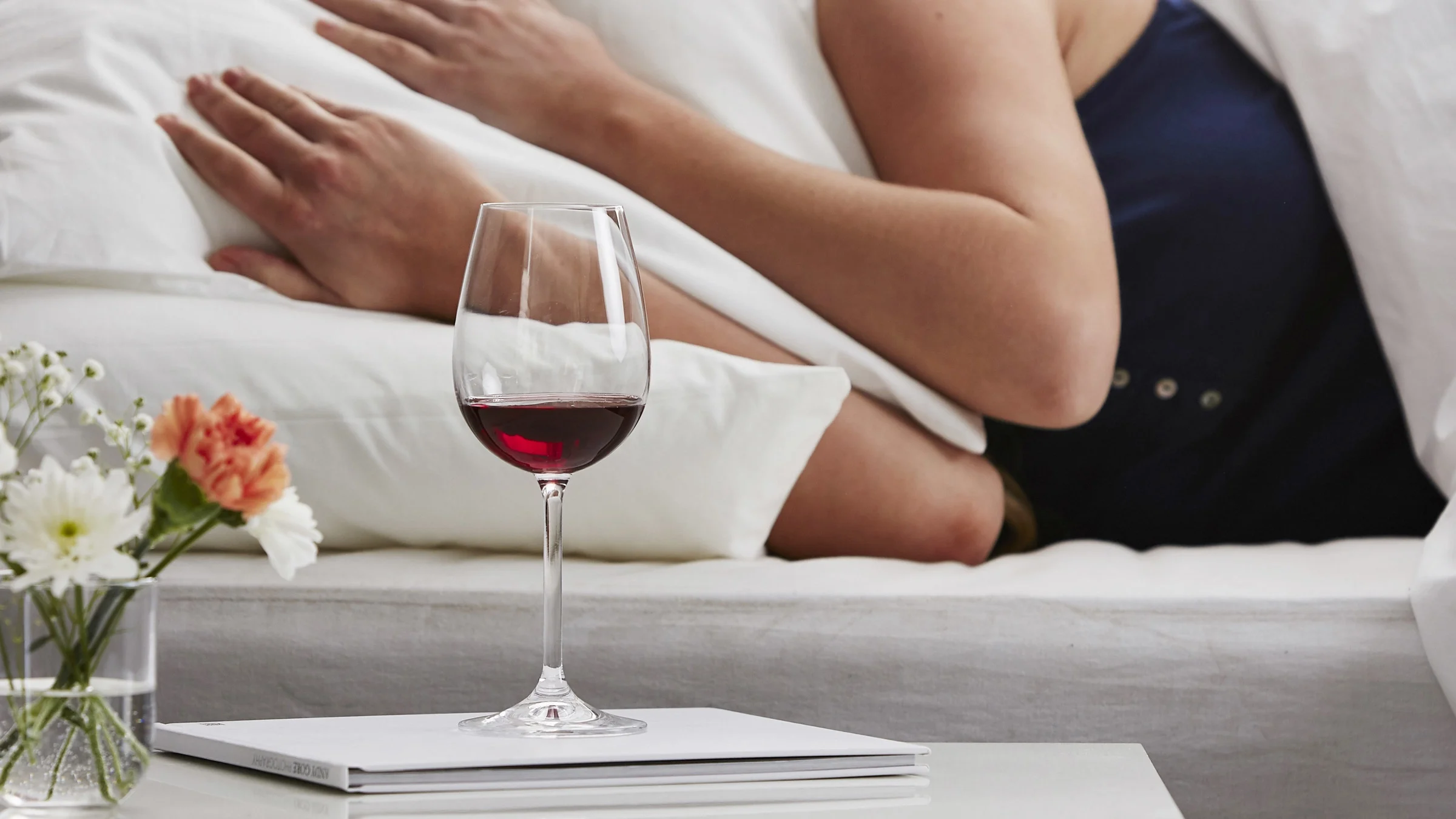
Alcohol has a major impact on your sleep. Part of the effect is due to alcohol’s ability to interfere with many brain chemicals that control your sleep cycle.
People often think that alcohol helps produce better sleep, but this may not be accurate. Alcohol is a sedative that helps you relax and slows down your body and brain. So it’s true that alcohol can help you fall asleep more quickly, which may result in a longer period of rest. The problem is that alcohol can also change your sleep and disrupt your normal sleep cycles.
Even though you may fall asleep faster, your sleep will not be desirable. Alcohol can create unwanted effects like disturbing your regular sleep cycle. It can do this by decreasing rapid eye movement (REM) sleep — when you do most of your dreaming — and by creating new or worsening existing sleep problems. Since REM sleep helps process feelings and achieve restful sleep, more REM sleep equals better sleep.
Conditions like obstructive sleep apnea and insomnia can become worse with alcohol use. In sleep apnea, alcohol relaxes the throat muscles and slows your body’s ability to detect a lack of oxygen, which could lead to dangerous outcomes. With insomnia, alcohol serves as a short-term fix that only increases your inability to sleep in the long term.
Why can’t I sleep the night after drinking? What is in alcohol that makes it hard to sleep?
With alcohol’s significant effects, it is no surprise that the drug can make it harder for you to get to sleep and to sleep well the night after drinking. As many as 91% of people report insomnia linked to alcohol use, based on studies of clinical populations.
Some of the biggest reasons you could struggle to get good sleep the day after drinking include:
Poor sleep habits triggered by alcohol use
Irregular sleep and/or wake schedules
Napping during the day
The day after drinking may be filled with:
Sleeping in late
Low motivation
Frequent naps
Poor nutrition
All of these make good sleep the next night challenging. Depending on how much you drink, trouble falling asleep can last for weeks after you’ve stopped drinking.
Will using marijuana affect my sleep patterns?
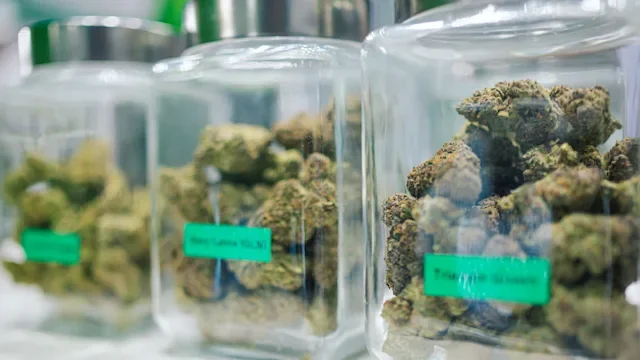
Cannabis (marijuana) affects your sleep, but its initial effects may greatly change with time. When you begin using cannabis to aid sleep, you may feel like it helps you fall asleep quickly, stay asleep, and wake up rested. But these short-term benefits can result in long-term problems.
Longer use of medications or substances to help with sleep usually end with tolerance, dependence, and possible withdrawal symptoms when use ends. More frequent or heavier cannabis use is connected to sleep problems like trouble falling asleep easily and waking during the night.
What drugs keep you awake at night?
It turns out that many drugs can keep you awake at night, depending on your level of intoxication or withdrawal. Like alcohol and cannabis, other substances of abuse disrupt the sleep systems in the brain, so the drug you are using could eventually impact your sleep in a very undesirable way.
Stimulant drugs like cocaine, methamphetamine (crystal meth), and prescription stimulant medications create feelings of increased energy and alertness during use. This could result in being up all night, since these drugs reduce the need for sleep. When use ends, though, you could crash and sleep for long periods. The quality of sleep could be quite poor.
As mentioned earlier, withdrawing from alcohol can make it harder to fall asleep at night, and the same is true with cannabis and opioids, like heroin or prescription pain medications. More than 40% of people withdrawing from cannabis report trouble sleeping, as well as nightmares and strange or distressing dreams.
Do sleep problems influence drug use?
Alcohol and the other drugs described have a clear impact on poor sleep. But it seems that poor sleep also has an impact on substance use, with people using drugs to achieve and maintain sleep. Sleep problems and lack of sleep create a series of risk factors that increase the odds of substance abuse.
Due to a lack of sleep, you may:
Use sedating drugs to self-medicate and help you fall asleep or stay asleep
Use stimulating drugs to create wakefulness, energy, and concentration during the day after a poor sleep
Use any drug due to the poor decision-making skills and impulsivity linked to being overly tired
How do teenager sleep habits affect substance use?
A recent study shows more evidence connecting sleep with substance use in teens. The two major findings were:
Teens who preferred staying up late at night more commonly used cannabis than teens who did not stay up so late.
Teens who stayed up late reported being sleepy during the day, had shorter duration of sleep, slept in later on the weekends, and had a high rate of binge drinking in the next year.
It’s impossible to say that the relationship was cause and effect, but it could illustrate how these teens use substances as a way to self-medicate their poor sleep.
What is sleep hygiene, and what can I do to improve my sleep?
Sleep hygiene is a set of habits and routines used to establish good sleep. By improving your sleep hygiene, you can better achieve sleep that is more restful and rewarding.
Some ways to improve your sleep include:
Create a good sleep space: Having a calm, dark, cool, and distraction-free place to sleep is important. An environment that is too bright, noisy, or full of electronics can make falling asleep and staying asleep harder.
Make a bedtime routine: Set a standard bedtime routine by scheduling time to wind down, avoiding electronics, and getting in bed close to the same time each night
Make good choices in the daytime: Adjust your daily habits by limiting caffeine, increasing your physical activity, avoiding substances, and not eating a large meal close to bedtime.
In the case of teens, school districts should consider pushing back the start time of classes to encourage better rest.
The bottom line
Whether you are a teen or an adult, there is a strong connection between your sleep and your substance abuse. Avoiding use will be a wonderful way to improve your sleep, while practicing good sleep hygiene habits could drastically reduce your desire to use alcohol and other drugs.
If you or someone you know struggles with substance use, help is available. Call SAMHSA’s National Helpline at 1-800-662-HELP (4357) to learn about resources in your area.

Why trust our experts?



References
Alberta Health Services. (2014). Alcohol and health: Alcohol and sleep.
American Academy of Sleep Medicine. (2021). Sleep characteristics predict cannabis use, binge drinking in teens and young adults. EurekAlert.
Colrain, I. M., et al. (2014). Alcohol and the sleeping brain. Handbook of Clinical Neurology.
Edwards, N. (2021). Sleep deficits linked to chronic cannabis use. Colorado Arts and Science Magazine.
MyHealthfinder. (2022). Get enough sleep.
National Institute of Neurological Disorders and Stroke. (2022). Brain basics: Understanding sleep.
National Institute on Drug Abuse. (2018). Prescription stimulants DrugFacts.
Substance Abuse and Mental Health Services Administration. (2022). SAMHSA's national helpline.
Valentino, R. J., et al. (2020). Drugs, sleep, and the addicted brain. Neuropsychopharmacology.
Volkow, N. (2020). Connections between sleep and substance use disorders. National Institute on Drug Abuse.