
Key takeaways:
Instead of only being addicted to alcohol and other drugs, you could become addicted to certain behaviors like gambling, sex, and even plastic surgery.
An addiction to plastic surgery can come from feeling unhappy with who you are, how you look, and feelings of shame about your body, but the surgeries may not resolve the problems.
To properly address a plastic surgery addiction, you may need professional mental health treatments to identify and address the root of your unhappiness.
With nearly 18 million cosmetic procedures done in 2018 alone, seeing a doctor to smooth your wrinkles, change the shape of your nose, or improve some other part of your body is a common experience. Many people use plastic surgeons to change the way they look. But some will never be satisfied with the results and want more and more plastic surgery. This could lead to a plastic surgery addiction.
Keep reading to learn more about plastic surgery addiction, its connection to other mental health disorders, and what you can do if you or a loved one struggle with self-esteem and cosmetic surgeries.
What is plastic surgery addiction?
When a person has repeated cosmetic procedures done but never feels satisfied or fulfilled with their appearance, they could have a plastic surgery addiction. A plastic surgery addiction could result in you spending huge amounts of time, money, and resources on surgeries. And it could keep you coming back for more, because you are never happy with the results.
Having a plastic surgery addiction means that you might:
Get a lot of surgeries to change the way you look
Believe the surgeries will change the way you feel
Become disappointed when the procedure does not give you the results you wanted
Meet with many doctors after some refuse to give you more surgeries
End up spending too much money on surgeries
Of course, not everyone who has multiple cosmetic procedures is addicted, but it could raise concerns. At the moment, plastic surgery addiction is not a formal psychological condition, but it could still impact your mental, physical, and social health.
What is a behavioral addiction, and how does surgery addiction compare?
Saying that you could be addicted to a behavior is not a new idea. But experts have only been recognizing behavioral addictions since 2013. Now, leaders in the field of mental health believe that when these actions are repeated, they cause similar changes in the brain that happen when using alcohol and other drugs.
Some common actions that can result in behavioral addictions are:
Sex and viewing pornography
Internet use and social media
Exercise

Read more like this
Explore these related articles, suggested for readers like you.
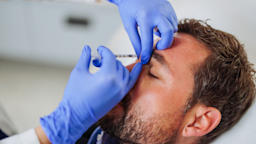



No one sets out to have an addiction. Also, many times these problems begin slowly before growing to consume your whole life. As time goes on, any addiction spreads out to cause great harm.
How does someone become addicted to cosmetic surgery?
With millions of cosmetic procedures performed each year, most people will never have an issue with plastic surgery addictions. So, what factors make you more likely to have a problem with cosmetic surgery?
It seems that trauma, especially childhood trauma, could directly lead to a plastic surgery addiction. As people experience abuse, neglect, or maltreatment of all types, they often develop a sense of shame connected to their body and appearance. The shame leads people to feel:
Less than others
Humiliated
Weak
Vulnerable
Worthless
Plastic surgery can become the way to “fix” or repair these unwanted feelings, but the surgeries do not get to the root of the problem. Because of this, people get more and more procedures, hoping the next one will create the wanted change.
What is body dysmorphic disorder, and how does it affect surgery addiction?
There is a strong connection between wanting numerous plastic surgeries and body dysmorphic disorder. Body dysmorphic disorder (BDD) is a psychological disorder that makes you:
Believe there is a defective, hideous, or abnormal part of your body or appearance
Constantly worry about the way you look
Check and recheck yourself in the mirror
Work hard to hide or change the way you look
Feel very depressed and anxious
People with BDD may schedule appointments with plastic surgeons instead of mental health professionals. This is because they don’t understand the source of the problem is mental instead of physical. They could get multiple surgeries trying to correct what they don’t like about their appearance but never feel satisfied.
What are the signs and symptoms of plastic surgery addiction?
Whether the behavioral addiction involves gambling, pornography, or plastic surgery, the symptoms are similar. The signs of plastic surgery addiction include:
Spending a lot of time planning, getting, recovering from, and thinking about plastic surgery
Getting more procedures or more involved procedures than you originally planned
Promising yourself or others that you will stop getting surgeries, only to go back on your plan
Being unable to manage your work, school, or home responsibilities because surgeries get in the way
Having conflicts with friends and loved ones due to disagreements about surgeries
Continuing to get surgeries, even though they could cause problems or risks to your health
Feeling unhappy, angry, or uncomfortable when you cannot get a procedure don
It can be hard to see these symptoms in yourself. Get feedback from a trusted friend or partner to see if you have the signs of plastic surgery addiction.
What are the risks of being addicted to plastic surgery?
When you have a plastic surgery addiction, you put your mental health, social health, and physical health at risk. You risk experiencing the complications of plastic surgery include:
Infection
Bleeding
Bruising
Problems with healing
Possible complications from anesthesia
As you look to surgery to solve your unhappiness, you will give less time and attention to your healthy coping skills, like exercise and spending time with loved ones. Depression and anxiety only intensify, which puts your mental health in danger.
Similarly, your loved ones could pull away as all of your attention is focused on how the last surgery didn’t help and how you think the next surgery will be different. You will not have a lot of energy to give to maintaining fulfilling relationships.
Where can I get help for cosmetic surgery addiction?
The first step in treating plastic surgery addiction is realizing that the way you feel on the inside, not the way you look on the outside, is creating stress. Treating BDD, depression, or anxiety at the root of your problem is going to make an enormous difference with a plastic surgery addiction.
Therapy, especially a certain type of therapy called cognitive behavioral therapy (CBT), can help with some of the sources of plastic surgery addiction. CBT helps you see that your thoughts, feelings, and behaviors are all connected, so changing your thoughts and behaviors can help you feel the way you want.
Although there is no medication prescribed for plastic surgery addictions, some antidepressant medications that help with anxiety, obsessive thoughts, and compulsive behaviors could be helpful. Be sure to have an honest conversation with your doctor about your symptoms, the things that cause you stress, and your history to find the best fit for you.
If you are interested in finding treatment to address your addiction, check out the available resources from the Substance Abuse and Mental Health Services Administration (SAMHSA).
The bottom line
Addiction to plastic surgery could come from many issues. No matter the source, though, the problem needs to be addressed before it damages too much of your life. Too many surgeries do not make things better. Professional mental health services can start to reduce the harms caused by cosmetic surgery addiction and help you resolve the issues that fuel it.

Why trust our experts?



References
Alavi, S. S., et al. (2012). Behavioral addiction versus substance addiction: Correspondence of psychiatric and psychological views. International Journal of Preventive Medicine.
American Society of Plastic Surgeons. (2019). New plastic surgery statistics reveal trends toward body enhancement.
Better Health Channel. (2016). Body dysmorphic disorder (BDD).
Higgins, S., et al. (2017). Cosmetic surgery and body dysmorphic disorder – an update. International Journal of Women’s Dermatology.
Office on Women’s Health. (2018). Body dysmorphic disorder.
Pruzinsky, T. (2019). Childhood abuse, body shame, and addictive plastic surgery: The face of trauma. Aesthetic Surgery Journal.
Stanford Health Care. (n.d.). Possible complications associated with reconstructive plastic surgery.
Substance Abuse and Mental Health Services Administration. (2022). SAMHSA’s national helpline.
Yau, Y. H. C., et al. (2015). Gambling disorder and other behavioral addictions: Recognition and treatment. Harvard Review of Psychiatry.