VIDEO CENTER
Heart Disease
Knowing your individual risk factors for heart disease is one of the most important steps you can take to prevent a heart attack or other cardiac issue.

Hypertrophic cardiomyopathy (HCM) doesn’t always cause symptoms, so it may not have a huge effect on someone’s life. Despite this, treatment is very helpful. Proper management of HCM could help prevent serious medical emergencies and even death.
It may help to talk to your doctor about the treatment goals for HCM. This way, you can stay motivated to stick with a plan even when you “feel fine.”
There are two key treatment goals for HCM:
Improve your symptoms, if you’re having any
Reduce your risk of sudden cardiac arrest, which may cause death
Cardiac arrest is when the heart abruptly stops pumping blood. Without a heartbeat, your organs don’t get the necessary oxygen and nutrients they need to function. This includes the brain. As a result, cardiac arrest may lead to sudden unconsciousness. Without prompt treatment, it can lead to death within minutes.
One of the biggest risk factors for cardiac arrest is an arrhythmia. This is the medical word for an irregular heartbeat. Arrhythmias are relatively common among people with HCM, but certain treatments may help.
Medications that may help specifically with arrhythmias among people with HCM include:
Antiarrhythmic medications
Calcium channel blockers
Beta blockers
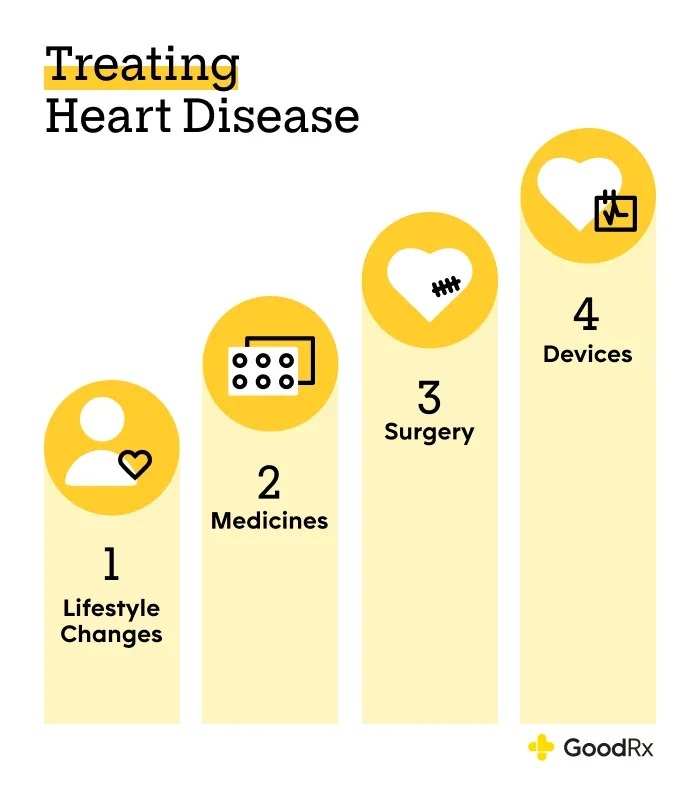
Lifestyle changes for HCM may also help prevent cardiac arrest. For example, people with HCM generally shouldn’t participate in intense exercise or competitive sports. These may strain the heart too much.
There are two main types of HCM:
Obstructive hypertrophic cardiomyopathy
Non-obstructive hypertrophic cardiomyopathy
Obstructive HCM means the thickened tissue in the heart is actually blocking the aortic valve. This means there is a blockage reducing the amount of blood that can leave the heart.
Non-obstructive HCM has thickened tissue, but it’s not blocking the aortic valve. People with non-obstructive HCM are less likely to have serious symptoms than people with the obstructive type.
One of the treatment goals for obstructive HCM may focus on reducing the blockage. This may include using newer medications that may reduce the extra tissue, such as cardiac myosin inhibitors. Other people may benefit from a surgical procedure that actually shaves down the extra tissue.
More and more treatments are coming out to treat HCM and improve the prognosis for individuals with this condition.
The most important step to improve your prognosis is to catch HCM early. Many people live with HCM without knowing it. Screening is recommended for anyone who has HCM symptoms or has a first-degree relative with HCM. Once you know your status, you can help take steps to manage the condition and prevent cardiac arrest.
Prescription savings
Stop paying too much for your prescriptions. Compare prices, get pharmacy coupons, and save up to 80%.Resources
About GoodRx
 Find expert answers to your health questions so you can make the best decisions for yourself and your family.
Health conditions
Medications & treatment
Access & affordability
Well-being
Medication discounts


