VIDEO CENTER
Heart Disease
Knowing your individual risk factors for heart disease is one of the most important steps you can take to prevent a heart attack or other cardiac issue.

When we think of heart disease, it’s easy to conjure up a middle-aged man clutching his chest, but the harsh reality is that this heart disease is equally devastating for women. One in five American women die from heart disease, according to the Centers for Disease Control and Prevention (CDC). In the US, women are significantly more likely to have heart disease than breast cancer, yet many fear the latter more.
Here are important facts about heart disease in women cardiologists desperately want people to know.
Knowing the truth is crucial because heart disease is almost always something can be prevented. Given the caretaker role that many women take on—as mother or spouse—prioritizing themselves is often something that gets pushed aside. “If they’re feeling symptoms, they tend to [minimize] it,” says Rachel Bond, MD, a cardiologist at Lenox Hill Hospital. “They may not realize that they’re having a heart condition because they’re not attuned to the atypical, or uncommon, symptoms [for women].”
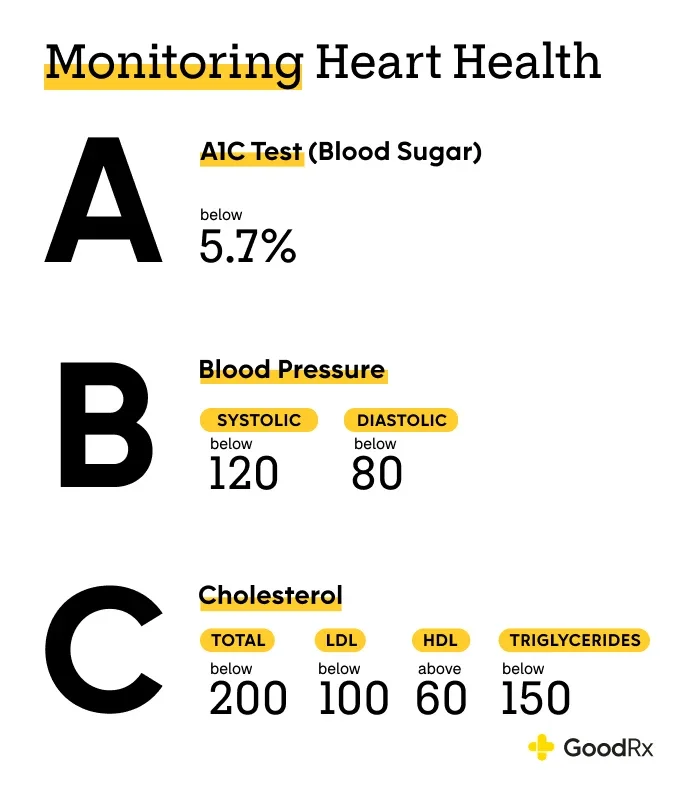
Women with heart disease may experience angina—pain or discomfort in the chest—but some experience no symptoms or ore atypical heart disease symptoms. In fact, 64 percent of women who die from heart attacks had no prior symptoms, according to the American Heart Association. That’s why experts recommend getting your cholesterol and blood pressure checked starting at least at age 20, especially if you have a family history of heart disease.
For those who do experience heart disease symptoms, the most common signs of heart disease in women include:
Fatigue
Sleep disturbance
Shortness of breath
Indigestion
Anxiety
Racing heart
Weakness
Learn more about symptoms of heart disease in women here.
During a heart attack itself, women may experience shortness of breath, weakness, and fatigue as primary symptoms instead of sudden, gripping chest pain. “[Women] can have those symptoms, but oftentimes chest discomfort is lower down,” says Nieca Goldberg, MD, a cardiologist and medical director of the NYU Langone Health Joan H. Tisch Center for Women’s Health. “They think they’re having a stomachache, and they don’t recognize it [as a heart attack] and get medical attention.”
Due to lifestyle factors such as smoking, poor eating habits, and high stress, heart disease can affect women at any age. “[While] the most common time for women to have their heart attack is over 60,” says Dr. Goldberg, a good percentage happen before the age of 50 years old.
Along with investing in heart-healthy lifestyle habits, you should learn your personal risk factors for heart disease. “Get your cholesterol and [blood] sugar checked, quit smoking, exercise, [and] know the symptoms,” says Dr. Goldberg. These are the lifestyle tweaks experts recommend for a healthy heart.
Not only can you prevent a heart attack, but you can improve your health after a heart attack or a diagnosis of heart disease. “If you’re armed with knowing your risk so that you can prevent heart disease,” says Dr. Goldberg, “you can live a healthy life—even if you’ve had a heart attack.”
Prescription savings
Stop paying too much for your prescriptions. Compare prices, get pharmacy coupons, and save up to 80%. Find expert answers to your health questions so you can make the best decisions for yourself and your family.
Health conditions
Medications & treatment
Access & affordability
Medication discounts


