VIDEO CENTER
Anemia
Anemia is a condition in which there is low red blood cell count in the body.

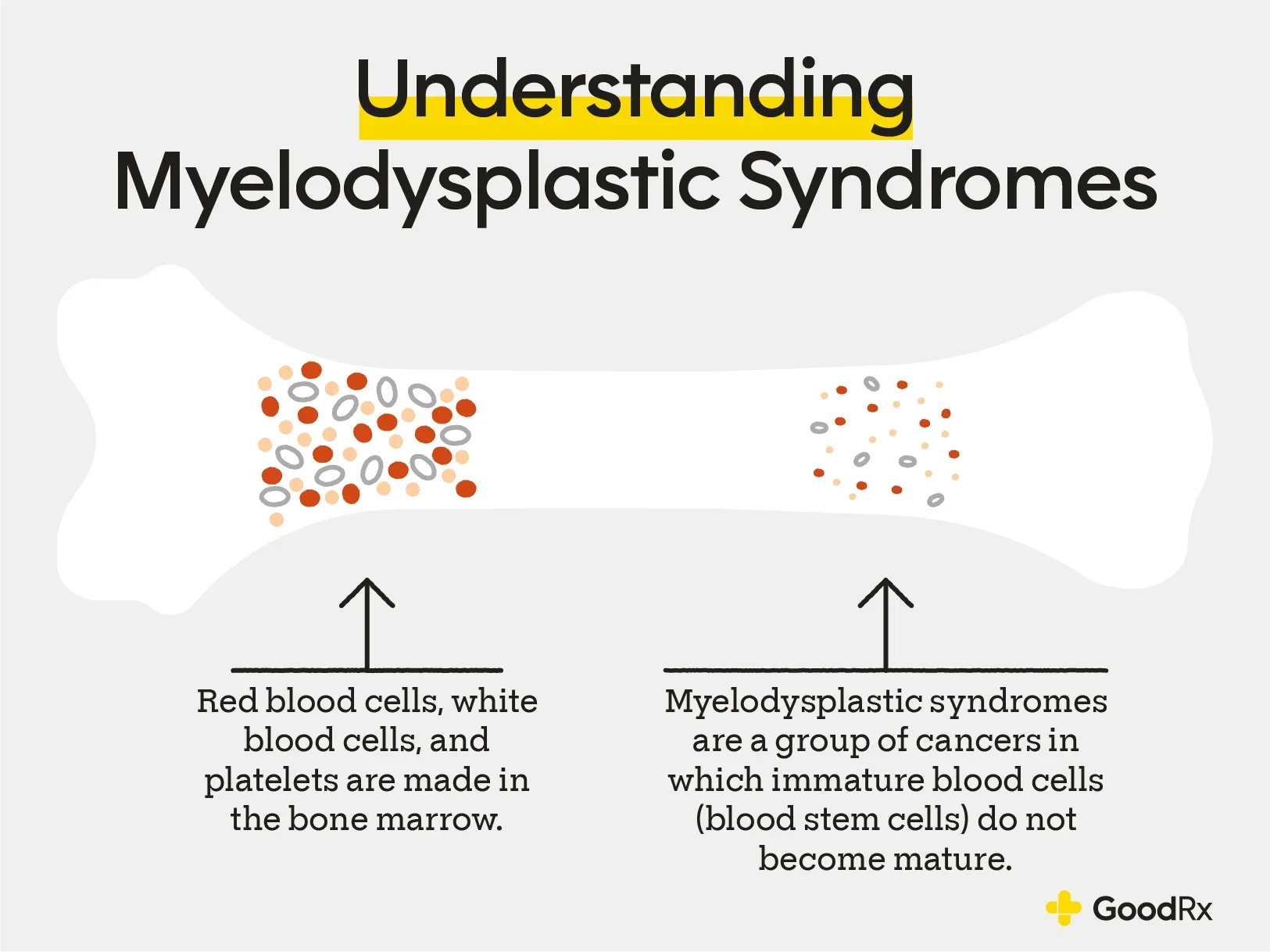
Symptoms of myelodysplastic syndromes (MDS) can vary from person to person. That’s because MDS can affect your blood cell count in a number of ways. Symptoms may depend on which blood cells are affected — and how.
Symptoms can also vary based on how aggressive someone’s MDS is, as well as what other health conditions they are living with.
Some people with MDS don’t have any symptoms at all. “You might learn that you have MDS even if you have no symptoms based usually on a blood count performed by your primary care physician,” says Jonathan Feld, MD, Hematology Specialist at The Mount Sinai Hospital in New York City.
The red blood cells are responsible for carrying oxygen from the lungs to other parts of the body. Low red blood cells from MDS may cause anemia, which is when the body is unable to carry enough oxygen throughout the body.
Symptoms of anemia may include:
Fatigue (feeling tired) and weakness
Always feeling cold
Dizziness
Irritability
Shortness of breath
Headaches
Whooshing sound in ears
Pale or yellow skin
Fast or irregular heartbeat
In some cases, MDS may also affect white blood cell count. White blood cells work as part of the immune system to fight off infections and protect the body.
Low white blood cell count (neutropenia) may increase your risk of infection.
Platelets are blood cells that help your blood clot. When you get a cut and start bleeding, your platelets work to clot and stop bleeding. Without platelets, you might bleed for a long time after simple cuts.
Low platelet count (thrombocytopenia) may cause symptoms such as:
Easy bleeding
Easy bruising
Petechiae, or patches of tiny red dots on the skin
MDS is linked to an increased risk of heart issues and autoimmune conditions, according to Dr. Feld. Some types of MDS also increase the risk of acute myeloid leukemia, another type of blood cancer.
Treatments for MDS may help lessen symptoms, improve blood cell counts, and reduce the risk of complications.
References
American Cancer Society. (2018). General approach to treatment of myelodysplastic syndromes.
American Cancer Society. (2018). Types of myelodysplastic syndromes.
American Cancer Society. (2022). Low white blood cell count (neutropenia).
American Society of Hematology. (n.d.). Anemia.
Dotson, J. L., et al. (2022). Myelodysplastic syndrome. StatPearls.
MedlinePlus. (2016). Anemia.
National Cancer Institute. (n.d.). FAB classification of refractory anemias.
National Heart, Lung, and Blood Institute. (2022). Thrombocytopenia.
This information is for informational purposes only and is not meant to be a substitute for professional medical advice, diagnosis or treatment. GoodRx is not offering advice, recommending or endorsing any specific prescription drug, pharmacy or other information on the site. GoodRx provides no warranty for any information. Please seek medical advice before starting, changing or terminating any medical treatment.
Prescription savings
Stop paying too much for your prescriptions. Compare prices, get pharmacy coupons, and save up to 80%.Resources
About GoodRx
 Find expert answers to your health questions so you can make the best decisions for yourself and your family.
Health conditions
Medications & treatment
Access & affordability
Well-being
Medication discounts


