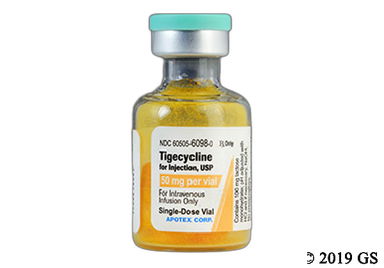
Tigecycline (Tygacil) is an injectable antibiotic used to treat severe infections in the skin, stomach, and lungs in hospitalized people. It's typically used only when other antibiotics aren't the best choice.
Tigecycline (Tygacil) is used to treat certain severe infections in the skin, stomach, and lungs, typically in people who are in the hospital. It can be used to fight against certain resistant bacteria (bacteria that are hard to get rid of). But tigecycline (Tygacil) is typically given only when other antibiotics either can't be used or haven't worked well because it can put you at risk for life-threatening side effects, including higher risk of death, pancreas problems, and liver problems.
Tigecycline (Tygacil) is a tetracycline antibiotic. It works by preventing bacteria from making certain proteins, which stops them from being able to spread throughout your body.
Tigecycline (Tygacil) is given as an injection through the veins (IV) by a healthcare provider, typically in the hospital. Your provider will make sure you get the medication at the right dose and time. In general, you'll receive an infusion of tigecycline (Tygacil) every 12 hours. Each infusion takes about 30 minutes to 1 hour. The length of treatment depends on where and how serious your infection is, and it typically ranges from 5 to 14 days.
The most common side effects of tigecycline (Tygacil) include nausea, vomiting, and diarrhea. Other possible side effects include stomach pain, headache, and anemia (low red blood cell count).
Tigecycline (Tygacil) has many serious risks and warnings. One of the most serious warnings reported in clinical studies is that there was a slightly higher risk of death in people taking tigecycline (Tygacil) compared with those receiving other antibiotics. It's important to note that the difference in risk of death between these 2 groups was small, and the causes of the deaths were due to worsening infections, infection complications, or underlying medical problems. Regardless, this risk of death is why tigecycline (Tygacil) is used only when other available antibiotics can't be used. In addition, tigecycline (Tygacil) can raise your risk for liver and pancreatic problems, so your provider will monitor certain labs to make sure these organs are doing okay. This medication can also affect bone and tooth growth, so it shouldn't be used in children or after the first trimester of pregnancy. The manufacturer has provided a complete list of risks and warnings.