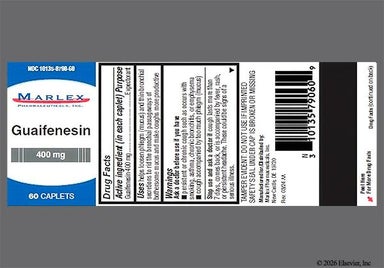
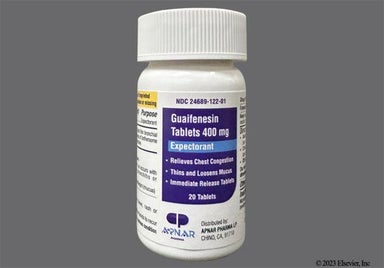
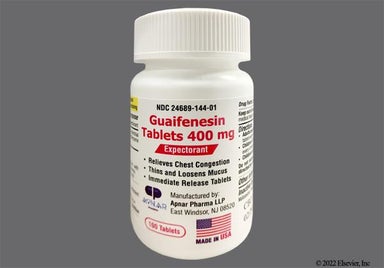
Guaifenesin Coupon - Guaifenesin 400mg tablet

guaifenesin

Generic Guaifenesin
Used for Cough

Guaifenesin is an expectorant used for wet cough. It helps loosen phlegm in the throat and chest so you can cough it up more easily. Guaifenesin is an immediate-release medication that's available as a tablet and liquid solution. It's taken by mouth, typically every 4 hours, by adults and children. Most people experience few to no side effects after taking this medication as directed. Guaifenesin can be found under multiple brands (e.g., Robafen, Geri-Tussin) and as a generic medication.

Reviewed by:Last reviewed on May 1, 2024
basics-icon

What is Guaifenesin?

What is Guaifenesin used for?

  • Loosens and breaks up mucus in the airways (chest congestion)

How Guaifenesin works

Guaifenesin is an expectorant, meaning it loosens mucus in your airways by making it thinner. This makes it easier to cough out mucus and help clear chest congestion.

When does Guaifenesin start working?Time passed since treatment started:
MINUTES
Initial effect
HOURS
Full effect
DAYS
WEEKS
MONTHS

Drug facts

Common BrandsMucinex, Geri-Tussin, Children's Mucus Relief, Pharbinex, Robafen
Drug ClassExpectorant
Controlled Substance ClassificationNot a controlled medication
Generic StatusLower-cost generic available
AvailabilityOver-the-counter
side-effects-icon

Side effects of Guaifenesin

The following side effects may get better over time as your body gets used to the medication. Let your healthcare provider know immediately if you continue to experience these symptoms or if they worsen over time.

Common Side Effects

Side effects aren't common. See Other Side Effects.

Less Common Side Effects

  • Nausea
  • Diarrhea
  • Dizziness
  • Headache

Source: DailyMed

The following Guaifenesin side effects have also been reported

Along with its needed effects, a medicine may cause some unwanted effects. Although not all of these side effects may occur, if they do occur they may need medical attention.

Some side effects may occur that usually do not need medical attention. These side effects may go away during treatment as your body adjusts to the medicine. Also, your health care professional may be able to tell you about ways to prevent or reduce some of these side effects. Check with your health care professional if any of the following side effects continue or are bothersome or if you have any questions about them:

Less common or rare

Diarrhea

dizziness

headache

hives

nausea or vomiting

skin rash

stomach pain

Other side effects not listed may also occur in some patients. If you notice any other effects, check with your healthcare professional.

Call your doctor for medical advice about side effects. You may report side effects to the FDA at 1-800-FDA-1088.
prices-container

Get your GoodRx coupon

Avg retail price
$3.88(Save 11.86%)
GoodRx discount
$3.42
See prices
pros-and-cons-icon

Pros and cons of Guaifenesin

Pros

  • Available over the counter
  • Has very few side effects if used as directed
  • Available as a tablet and oral liquid

Cons

  • Might not work work well for dry coughs
  • Not meant to be used long-term
  • Found in many over-the-counter products, so you can accidentally take too much
pharmacist-tips-icon

Pharmacist tips for Guaifenesin

pharmacist
  • If you have a cough that's caused by cigarette smoke, a cough that's linked to a breathing problem (e.g., asthma, emphysema), or a cough with a lot of mucus, let your primary care provider or pulmonologist know before taking guaifenesin. You might need more medical attention.
  • Please talk with your primary care provider if your cough gets worse, comes back after clearing up, or lasts more than a week. Also, let them know if you also have a rash, fever, or headache. These might be signs of a more serious medical condition that can't be treated with guaifenesin.
  • Store guaifenesin up and away and out of children's reach and sight. Always put medication away every time you use it. This prevents them from accidentally swallowing any medication that was left out. If you think that your child might’ve accidentally swallowed guaifenesin, call a Poison Center at 1-800-222-1222 right away even if you aren't completely sure.
  • If your child is taking the guaifenesin oral solution, be sure to use a medication dose cup, spoon, or syringe to measure out your child's dose. Using household spoons might cause your child to take the wrong amount of guaifenesin.
  • Don't give guaifenesin to a toddler under 4 years old) without speaking to a pediatrician first. Pediatricians might not recommend OTC cold medications to children younger than 4 years old. Instead, they might recommend home remedies, such as using a clean humidifier or cool mist vaporizer at home.
faq-icon

Common questions about Guaifenesin

The manufacturers of guaifenesin immediate-release tablets don't specify whether you can crush them or not. Some guaifenesin tablets are scored, meaning they have a line down the middle where you can split them in half. This is helpful if you only need to take one-half of a tablet. Follow the directions on the product you have carefully. Consider taking guaifenesin oral liquid or solution if you have trouble swallowing the tablets.

Both extended-release (ER) guaifenesin and immediate-release (IR) guaifenesin are taken by mouth to treat chest congestion. The main difference between them is how long the effects last. Guaifenesin ER is a longer-lasting medication so you can take it once every 12 hours. But the effects of guaifenesin IR don't last as long; this medication can be taken once every 4 hours. Another difference is who can take it. Guaifenesin ER contains a higher dose of the medication and should only be taken by people ages 12 years and older. Guaifenesin IR comes as an oral solution and the dose can be adjusted for children as young as 2 years old, if approved by their pediatrician. Ask your pharmacist if you have more questions about the differences between guaifenesin ER and guaifenesin IR.

Whether you choose guaifenesin ER and guaifenesin IR depends on your need and personal preference. Both formulations of the medication are bioequivalent, which means they work similarly well to ease chest congestion. But you might consider guaifenesin ER if you want a medication that's longer lasting. This is because the effects of guaifenesin ER can last up to 12 hours, whereas the effects of guaifenesin IR might only last 4 hours. On the other hand, guaifenesin IR might be a better option if you're giving this medication to a child. Guaifenesin IR comes in an oral solution that can be given to children as young as 2 years old. But guaifenesin ER is for people ages 12 years and older. Ask your pharmacist if you're not sure whether guaifenesin ER or guaifenesin IR is a better option for you.

There's limited research on how long it takes for guaifenesin to start working. One study showed that your body absorbs most of this medication 30 minutes after a dose. It's thought to work within 15 to 30 minutes after a dose. But other studies suggest that people might not notice a difference in their cough after taking guaifenesin. If your cough lasts more than 7 days or gets worse, make sure to let your primary care provider know before continuing this medication.

In general, immediate-release guaifenesin tablets and oral solutions are taken by mouth once every 4 hours as needed. Keep in mind that different formulations of guaifenesin might have different directions, strengths, and dosage limits. Talk with your healthcare team if you're not sure how often you should take guaifenesin.

You should wait until you're fully recovered and no longer taking guaifenesin before drinking alcohol. While alcohol doesn't have known interactions with this medication, it's best to avoid drinking alcohol while you're fighting off an illness like the cold or flu. This is because alcohol can weaken your immune system, which makes it harder for your body to recover.

Guaifenesin doesn't make you sleepy or keep you awake. You should be able to take it during the day without feeling sleepy or at night without being kept awake.

There's limited research on how guaifenesin might affect pregnancy. Speak with your gynecologist about the risks and benefits of taking guaifenesin for your cough during pregnancy. Although most studies found that this medication isn't likely to raise the risk of birth defects, some studies showed otherwise. Ask your gynecologist about safer options to relieve your cough if you're pregnant.

educational-icon

How to save using GoodRx

Compare Prices
1. Compare PricesSpecify your dosage and quantity to find out exactly how much you can save.
Select your free coupon
2. Select your free couponYou can use the displayed coupon, or compare prices at other pharmacies near you.
Show coupon to your pharmacist
3. Show coupon to your pharmacistPresent your printed or electronic coupon when you pick up your prescription.
Get free couponLearn more
warnings-icon

Risks and warnings for Guaifenesin

Guaifenesin can cause some serious health issues. This risk may be even higher for certain groups. If this worries you, talk to your doctor or pharmacist about other options.

Accidentally taking too much medication (overdose)

  • Risk factors: Taking with other similar medications | Taking too many doses in a 24-hour period

Guaifenesin is an expectorant, which is found in many other over-the-counter products. Using more than one product containing the same ingredients can lead to an accidental overdose that can be dangerous.

If you're not sure whether you're taking a medication with guaifenesin in it, talk to your care team. To prevent an accidental overdose, follow the specific product instructions on the package carefully. If you think that you or your child might’ve accidentally taken too much guaifenesin, call a Poison Center at 1-800-222-1222 right away even if you aren't completely sure.

dosage-icon

Guaifenesin dosage

The average cost for 30 tablets of 400mg of Guaifenesin is $4.16 with a free GoodRx coupon. This is 50.36% off the average retail price of $8.38.

bottle of liquidBottle of liquid
DosageQuantityPrice as low asPrice per unit
118ml of 100mg/5ml1 bottle$3.42$3.42
bottle of oral solutionBottle of oral solution
DosageQuantityPrice as low asPrice per unit
473ml of 100mg/5ml1 bottle$6.17$6.17
237ml of 200mg/10ml1 bottle$4.34$4.34
tabletTablet
DosageQuantityPrice as low asPrice per unit
400mg30 tablets$4.16$0.14
200mg30 tablets$4.94$0.16

Typical dosage for Guaifenesin

Guaifenesin tablets and solutions made by different manufacturers might have different directions, age limits, and strengths. It's important to follow the specific product instructions on the package or the directions given by your care team.

Some examples are listed below:

Generic 100 mg/5 mL solution, generic 200 mg tablets, generic 400 mg tablets

  • Adults and children (ages 12 years and older): The typical dose is 200-400 mg by mouth every 4 hours. Don't take more than 6 doses (up to 2,400 mg) in a 24-hour period.
  • Children (ages 6 to 11 years old): The typical dose is 100-200 mg by mouth every 4 hours. Don't take more than 6 doses (up to 1,200 mg) in a 24-hour period.
  • Children (ages 2 to 5 years old): The typical dose is 50-100 mg by mouth every 4 hours. Don't take more than 6 doses (up to 600 mg) in a 24-hour period.
  • Children under 2 years old: Ask your child's pediatrician.

Please note: Guaifenesin 200 mg tablets are only for people ages 6 years and older. Guaifenesin 400 mg tablets are only for people ages 12 years and older.

interactions-icon

Interactions between Guaifenesin and other drugs

Guaifenesin may interact with certain medications or supplements. Always let your doctor and pharmacist know about any other medications or supplements (including prescribed and over-the-counter medications, vitamins, and dietary or herbal supplements) that you are currently taking. The list below does not include all possible drug interactions with Guaifenesin. Please note that only the generic name of each medication is listed below.

Although certain medicines should not be used together at all, in other cases two different medicines may be used together even if an interaction might occur. In these cases, your doctor may want to change the dose, or other precautions may be necessary. Tell your healthcare professional if you are taking any other prescription or nonprescription (over-the-counter [OTC]) medicine.

cost-icon

How much does Guaifenesin cost?

To access savings, use a GoodRx coupon and pay just a fraction of the retail price.
alternatives-icon

What are alternatives to Guaifenesin?

There are a number of medications that your doctor can prescribe in place of Guaifenesin. Compare a few possible alternatives below.
Guaifenesin
Used for:
  • Loosens and breaks up mucus in the airways (chest congestion)
$3.42Lowest GoodRx priceView prices
Used for:
  • Short-term relief of coughs caused by minor throat or lung irritation (e.g., common cold)
  • Loosens and breaks up mucus in the airways (chest congestion)
$3.36Lowest GoodRx priceView prices
Used for:
  • Short-term relief of cough caused by minor throat or lung irritation (e.g., common cold)
$6.07Lowest GoodRx priceView prices
latest-news-icon

News about Guaifenesin

Dextromethorphan (Delsym, Robitussin) and acetaminophen (Tylenol) are generally safe for pregnancy. See a comprehensive list of cold medications you can take (and ones you should avoid) while pregnant.
Which Cold Medications Are Safe to Take While Pregnant?
Dextromethorphan (Delsym, Robitussin) and acetaminophen (Tylenol) are generally safe for pregnancy. See a comprehensive list of cold medications you can take (and ones you should avoid) while pregnant.
Guaifenesin is a common OTC cough medication, and it’s important to know how much is safe to take. Here is your guide to typical adult and children’s dosages.
Guaifenesin (Mucinex) Dosages: Your GoodRx Guide
Guaifenesin is a common OTC cough medication, and it’s important to know how much is safe to take. Here is your guide to typical adult and children’s dosages.
Some cough and cold medications, such as oral decongestants, may raise blood pressure. Learn about how these medications affect blood pressure and more.
Can Cough and Cold Medications, Like Mucinex, Increase Your Blood Pressure?
Some cough and cold medications, such as oral decongestants, may raise blood pressure. Learn about how these medications affect blood pressure and more.
There are more options for allergy relief than ever. Does Mucinex work for allergies? Learn which symptoms Mucinex relieves, and if it interacts with medications like Benadryl.
Can Mucinex Relieve Seasonal Allergies? Yes, Here’s How
There are more options for allergy relief than ever. Does Mucinex work for allergies? Learn which symptoms Mucinex relieves, and if it interacts with medications like Benadryl.
Mucinex and Benadryl are two popular OTC medications that can relieve certain allergy symptoms, so which works better? Compare effects and uses here.
Mucinex vs. Benadryl: Which Works Better for Allergies?
Mucinex and Benadryl are two popular OTC medications that can relieve certain allergy symptoms, so which works better? Compare effects and uses here.
Learn the differences between Mucinex vs. Robitussin to find out which over-the-counter (OTC) cough medicine is better for your symptoms.
Mucinex vs. Robitussin for Cough: 4 Ways These OTC Cough Medications Compare
Learn the differences between Mucinex vs. Robitussin to find out which over-the-counter (OTC) cough medicine is better for your symptoms.
Read about common, rare, and long-term guaifenesin side effects and how to manage them.
4 Guaifenesin (Mucinex) Side Effects to Know About
Read about common, rare, and long-term guaifenesin side effects and how to manage them.
If your child has the flu, you’ll want to give them the best care. Review these important tips on flu medicine for kids, when to see a pediatrician, and more.
Flu Medicine for Kids: 5 Important Tips to Know
If your child has the flu, you’ll want to give them the best care. Review these important tips on flu medicine for kids, when to see a pediatrician, and more.
Learn the basics of lower respiratory tract infections, including types of infections,  causes, symptoms, and medications for treatment.
What Is a Lower Respiratory Tract Infection?
Learn the basics of lower respiratory tract infections, including types of infections, causes, symptoms, and medications for treatment.
Should you use Mucinex to treat your cold and flu? Learn the benefits, potential drawbacks, and best practices with GoodRx.
Does Mucinex Work for Cold and Flu Relief?
Should you use Mucinex to treat your cold and flu? Learn the benefits, potential drawbacks, and best practices with GoodRx.
images-icon

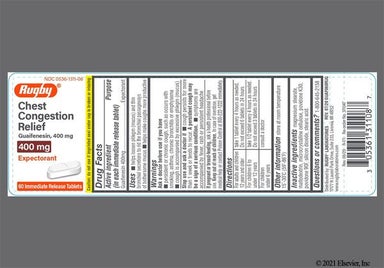
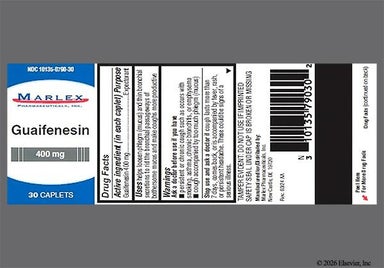
Guaifenesin images

White Oblong Ph 063 - Guaifenesin 400mg Chest Congestion Relief Tablet
This medicine is White, Oblong, Scored Tablet Imprinted With "Ph 063".White Oblong Ph 063 - Guaifenesin 400mg Chest Congestion Relief Tablet
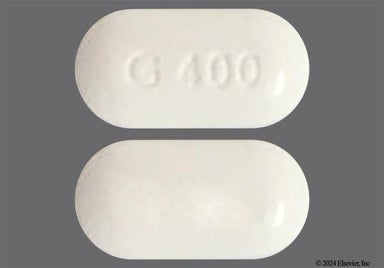
White Oblong G400 - Guaifenesin 400mg Caplet
This medicine is White, Oblong Tablet Imprinted With "G400".White Oblong G400 - Guaifenesin 400mg Caplet
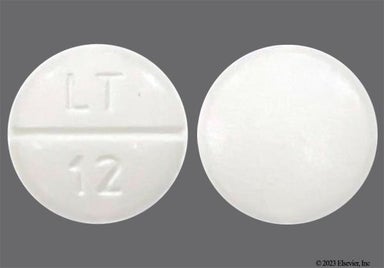
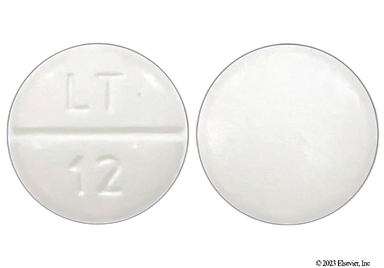
White Round Lt 12 - Guaifenesin 400mg Tablet
This medicine is White, Round, Scored Tablet Imprinted With "Lt 12".White Round Lt 12 - Guaifenesin 400mg Tablet
White Round Lt 12 - Guaifenesin 400mg Tablet
This medicine is White, Round, Scored Tablet Imprinted With "Lt 12".White Round Lt 12 - Guaifenesin 400mg Tablet
White Round G1 And A - Guaifenesin 400mg Tablet
This medicine is White, Round, Scored Tablet Imprinted With "A" And "G1".White Round G1 And A - Guaifenesin 400mg Tablet
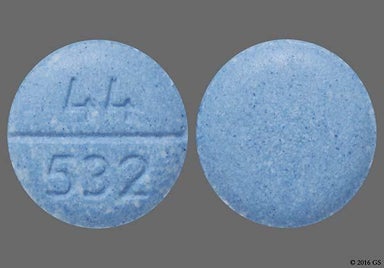
Blue Round 44 532 - GNP Mucus Relief Chest Congestion 400mg Tablet
This medicine is Blue, Round, Scored Tablet Imprinted With "44 532".Blue Round 44 532 - GNP Mucus Relief Chest Congestion 400mg Tablet
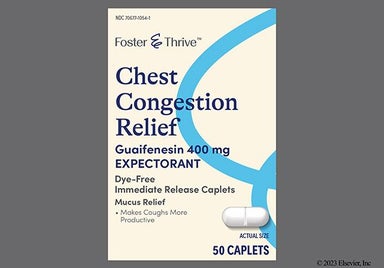
White Oblong Ph 063 - Foster & Thrive Chest Congestion Relief 400mg Caplet
This medicine is White, Oblong, Scored Tablet Imprinted With "Ph 063".White Oblong Ph 063 - Foster & Thrive Chest Congestion Relief 400mg Caplet

Get savings updates for Guaifenesin

Receive price alerts, news, and other messages from GoodRx about Guaifenesin and other healthcare topics and relevant savings offers.

By providing your email, you consent to receive marketing communications from GoodRx, which may include content and/or data related to men's health, women's health, reproductive care, or sexual health. You agree to the GoodRx Terms of Use and acknowledge the Privacy Policy. You can unsubscribe at any time.

References

Best studies we found

GoodRx Health has strict sourcing policies and relies on primary sources such as medical organizations, governmental agencies, academic institutions, and peer-reviewed scientific journals. Learn more about how we ensure our content is accurate, thorough, and unbiased by reading our editorial guidelines.

Was this page helpful?