



How Much Is Phenazopyridine (Pyridium) Without Insurance?
Read on to learn more about how much phenazopyridine costs without insurance and ways to save on this medication.
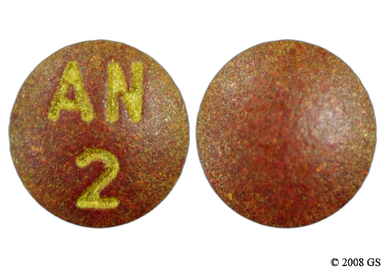
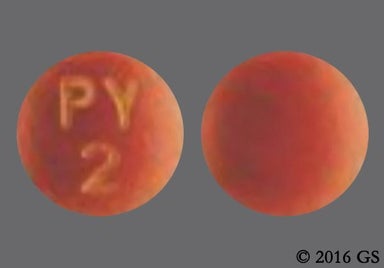
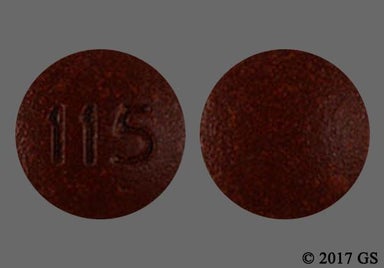
Phenazopyridine (Pyridium) is a pain medication used to relieve urinary urgency, pain, and discomfort caused by a urinary tract infection (UTI), surgery, or catheters. The medication is available over the counter (OTC) at lower strengths, and by prescription at higher strengths. You shouldn't take it for more than 2 days to treat symptoms of a UTI without speaking to your healthcare provider since it can hide a worsening infection.

It's not exactly known how phenazopyridine (Pyridium) works. But it's thought to work directly on the lining of the urinary tract to relieve pain.
| Common Brands | Pyridium, AZO, Uristat, Uricalm |
|---|---|
| Drug Class | Analgesic |
| Controlled Substance Classification | Not a controlled medication |
| Generic Status | Lower-cost generic available |
| Availability | Prescription or over-the-counter |

The following side effects may get better over time as your body gets used to the medication. Let your healthcare provider know immediately if you continue to experience these symptoms or if they worsen over time.
Along with its needed effects, a medicine may cause some unwanted effects. Although not all of these side effects may occur, if they do occur they may need medical attention.
Check with your doctor as soon as possible if any of the following side effects occur:
Some side effects may occur that usually do not need medical attention. These side effects may go away during treatment as your body adjusts to the medicine. Also, your health care professional may be able to tell you about ways to prevent or reduce some of these side effects. Check with your health care professional if any of the following side effects continue or are bothersome or if you have any questions about them:
Other side effects not listed may also occur in some patients. If you notice any other effects, check with your healthcare professional.
Call your doctor for medical advice about side effects. You may report side effects to the FDA at 1-800-FDA-1088.




Phenazopyridine (Pyridium) can cause some serious health issues. This risk may be even higher for certain groups. If this worries you, talk to your doctor or pharmacist about other options.
In people with a blood condition called glucose-6-phosphate dehydrogenase (G6PD) deficiency, phenazopyridine (Pyridium) can raise the risk of developing hemolytic anemia. This condition causes red blood cells to break down faster than they can be made, so the overall red blood cell count will be low. Contact your provider if you experience paleness, feeling very tired, fast heart rate, or shortness of breath.
Some people have had serious side effects like kidney or liver damage while taking phenazopyridine (Pyridium). This is especially true when people take more than the recommended amount of the medication. Too much phenazopyridine (Pyridium) can cause hemolytic anemia even in people who don't have G6PD deficiency (see above). And your skin and the whites of your eyes can turn yellow if you take more medication than you should. Stop taking phenazopyridine (Pyridium) and talk to a healthcare provider right away if you start having fatigue, confusion, dizziness, yellowing of the skin and eyes, or a change in heartbeat.


GoodRx has partnered with to provide reviews on the different aspects of Phenazopyridine (Pyridium).
Learn more about the effectiveness of Phenazopyridine (Pyridium) based on real life experiences.
Based on 18 people taking this medication
3.9
4.0
3.8
Severity of side effects
Based on 23 people taking this medication
0%
50%
100%
Orange colored urine
22%
Amber colored urine
5%
Dizziness and feeling faint
5%
Headaches
5%
Nausea if taken on empty stomach
5%
Reasons people stopped taking Phenazopyridine (Pyridium)
Based on 33 people who have taken this medication
Course of treatment ended
61%
Other
22%
Did not seem to work
7%
Doctor's advice
7%
Personal research
4%
Side effects too severe
4%
How long people take Phenazopyridine (Pyridium)
Based on 39 people who have taken this medication
0%
50%
100%

Although certain medicines should not be used together at all, in other cases two different medicines may be used together even if an interaction might occur. In these cases, your doctor may want to change the dose, or other precautions may be necessary. Tell your healthcare professional if you are taking any other prescription or nonprescription (over-the-counter [OTC]) medicine.


Contraindications are specific health conditions or situations in which a person should not take a medication due to safety concerns. If you have any of the following conditions or if any of the following apply to you, let your healthcare provider know because Phenazopyridine (Pyridium) will not be safe for you to take.










Prescription savings
Stop paying too much for your prescriptions. Compare prices, get pharmacy coupons, and save up to 80%.Resources
About GoodRx
 Find expert answers to your health questions so you can make the best decisions for yourself and your family.
Health conditions
Medications & treatment
Access & affordability
Well-being
Medication discounts

Phenazopyridine works pretty quickly. Some people might start feeling symptom relief within 20 minutes to an hour.
No, Phenazopyridine won't get rid of a UTI because it doesn't kill bacteria. Instead it only relieves discomfort or pain that's caused by a UTI. You likely will need to take an antibiotic that your provider will prescribe, along with Phenazopyridine to treat the infection.
Phenazopyridine is intended to relieve pain right away from a UTI while you're also taking the antibiotic. And after 2 days, you shouldn't need to take Phenazopyridine anymore because the antibiotic should start working to treat the UTI-related pain. But if you're still having pain and discomfort after 2 days of starting the antibiotic, it's possible the antibiotic isn't working and you might need to be switched to a different antibiotic. If this happens, call your provider.
Phenazopyridine is a dye that's a red-orange color. So it will cause your urine to become red-orange. But luckily it isn't harmful. Things like clothes, bed sheets, or contact lenses can stain since Phenazopyridine can change the color of your bodily fluids. Also, those that take Phenazopyridine for a long time might have yellowing of the skin or the whites of the eyes.
Probably not. There haven't been any studies on the safety of Phenazopyridine in breastfeeding mothers. Since the medication can potentially cause blood problems, it's recommended to avoid breastfeeding while taking the medication, especially with a baby under 1 month of age or with a condition called glucose-6-phosphate dehydrogenase deficiency.
