lindane
Lindane shampoo is used to kill head lice and pubic lice, but can only be used if other treatments haven't worked or you can't use them. Lindane also comes as a lotion used to treat scabies. It can cause serious side effects, like dizziness and seizures.
Please note: As of February 2023, lindane is no longer available in the United States. Talk to your provider about alternative options to treat head lice, pubic lice, and scabies.


What is Lindane?
What is Lindane used for?
- Head lice
- Crab lice (pubic lice)
How Lindane works
Lindane is an antiparasitic agent. It's directly absorbed by the parasite into its nervous system, causing death.
Drug facts
| Common Brands | Gamene |
|---|---|
| Drug Class | Antiparasitic agent |
| Controlled Substance Classification | Not a controlled medication |
| Generic Status | No lower-cost generic available |
| Availability | Discontinued |

Side effects of Lindane
The following side effects may get better over time as your body gets used to the medication. Let your healthcare provider know immediately if you continue to experience these symptoms or if they worsen over time.
Common Side Effects
- Itching
- Burning skin
- Dry skin
- Skin rash
Less Common Side Effects
- Seizures
- Dizziness
Lindane serious side effects
Contact your healthcare provider immediately if you experience any of the following.
- Seizures
The following Lindane side effects have also been reported
Along with its needed effects, a medicine may cause some unwanted effects. Although not all of these side effects may occur, if they do occur they may need medical attention.
Check with your doctor as soon as possible if any of the following side effects occur:
Rare
Convulsions (seizures)
dizziness, clumsiness, or unsteadiness
fast heartbeat
muscle cramps
nervousness, restlessness, or irritability
vomiting
skin irritation not present before use of lindane
skin rash
After you stop using this medicine, it may still produce some side effects that need attention. During this period of time, check with your doctor immediately if you notice the following side effects:
Serious side effects have resulted in patients using lindane. Sometime it has occurred even when used according to the labeled directions. Serious side effects have been reported following lindane use with repeat or prolonged use, but also in rare cases following a single application. You should discuss these possible effects with your doctor.
Other side effects not listed may also occur in some patients. If you notice any other effects, check with your healthcare professional.
Call your doctor for medical advice about side effects. You may report side effects to the FDA at 1-800-FDA-1088.

Pros and cons of Lindane
Pros
- Good choice if other therapies haven't helped
- Easy to apply
- One treatment is usually enough
Cons
- Can cause serious side effects, including seizures and death
- Not a good option for premature infants and people with certain skin conditions (like crusted scabies, eczema, and psoriasis)
- Doesn't prevent lice, only kills them once you have them

Pharmacist tips for Lindane

- Shake lindane well before using it, and don't put the shampoo on any damaged, scraped, or cut skin. This could cause more of the medication to get absorbed into your body, which could lead to side effects.
- Wear non-latex gloves while using lindane to minimize absorption into your skin. Avoid contact with other parts of your body besides your hair, neck, and scalp to lower your risk of side effects.
- Don't wet your hair before putting lindane on. Put a thin layer on your hair while it's dry, work it into your scalp, and leave it on for 4 minutes. After, lather with a little warm water and rinse out.
- Don't cover your hair with a shower cap or towel after applying lindane.
- Avoid conditioners or oil treatments right before or after applying lindane. They can make the medication get absorbed into your skin faster and possibly raise the risk of side effects.
- If you accidentally get lindane in your eyes, flush your eyes with water right away.
- You can use a special nit comb or tweezers to get rid of the lice eggs (dead nits) from your hair after using lindane and drying your hair with a towel.
- Wash your bedding, towels, and clothes in hot water or have them dry-cleaned to kill remaining lice.
- After using lindane you might experience itching. This is normal and means lindane is working to kill off your head or crab lice. Don't use this medication more than once because it can cause serious side effects.
- After using lindane, throw it away in a trash can that's out of reach of children or pets. Even if there is still some medication left in the bottle, you should throw it away.
- If you or someone you know accidentally swallows lindane, contact a Poison Center at 800-222-1222 or get medical help right away.

Risks and warnings for Lindane
Lindane can cause some serious health issues. This risk may be even higher for certain groups. If this worries you, talk to your doctor or pharmacist about other options.
Seizures and death
- Risk factors: Infants | Children | Ages 65 years and older | Skin conditions | Weighing 110 pounds or less | Prolonged undirected use | History of or at risk for seizures
 Although rare, lindane can cause seizures and death, especially if used longer than necessary. Use this medication as instructed by your healthcare provider and let them know if you've used lindane before, or if you have a history of seizures. Tell your provider all of the medications you're taking so they can check for interactions with lindane.

Lindane dosage
Typical dosage for Lindane
The typical dose is to apply 1 fl oz (30 mL) to 2 fl oz (60 mL) of the shampoo to dry hair. Allow the shampoo to remain in place for 4 minutes, then add small amounts of water to form a lather. Then, rinse the shampoo away.

Interactions between Lindane and other drugs
Although certain medicines should not be used together at all, in other cases two different medicines may be used together even if an interaction might occur. In these cases, your doctor may want to change the dose, or other precautions may be necessary. When you are taking this medicine, it is especially important that your healthcare professional know if you are taking any of the medicines listed below. The following interactions have been selected on the basis of their potential significance and are not necessarily all-inclusive.
Using this medicine with any of the following medicines is usually not recommended, but may be required in some cases. If both medicines are prescribed together, your doctor may change the dose or how often you use one or both of the medicines.

Lindane contraindications
Contraindications are specific health conditions or situations in which a person should not take a medication due to safety concerns. If you have any of the following conditions or if any of the following apply to you, let your healthcare provider know because Lindane will not be safe for you to take.
- Premature infants
- Certain skin conditions such as crusted scabies, eczema, and psoriasis
- Uncontrolled seizures

What are alternatives to Lindane?

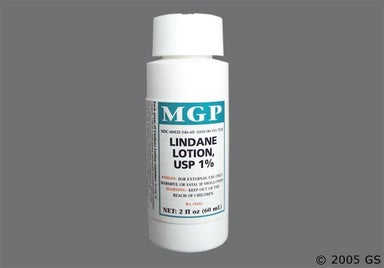
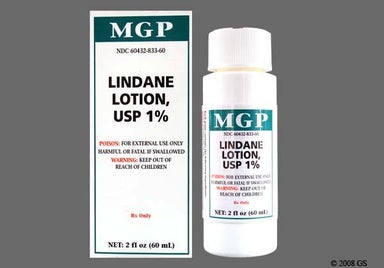
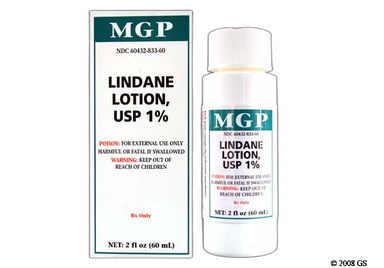
Lindane images