Key takeaways:
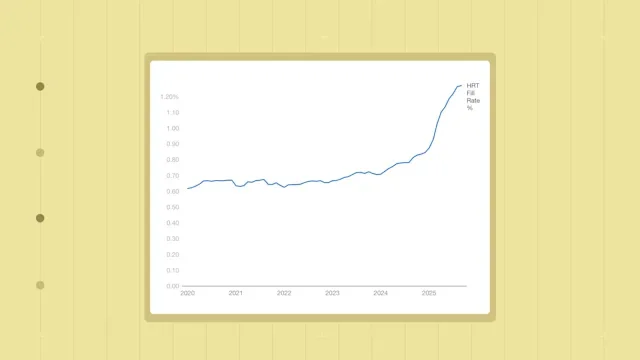
Fills for depression and anxiety prescription medications rose in 46 states during the COVID-19 pandemic. This suggests that depression and anxiety rates have gone up in much of the U.S.
New York, Rhode Island, South Dakota, South Carolina, Colorado, Illinois, Iowa, and Kansas had the largest percent increases in depression and anxiety prescription medication fills during the pandemic.
In 2022, at least 1 in 10 prescriptions filled in 43 states were for depression and anxiety medications.
New Hampshire, Iowa, Montana, North Dakota, and Vermont were the top five states with the highest percent of prescriptions filled for depression and anxiety medications in 2022.
Treatment for mental health conditions (counseling, teletherapy, and prescription medication) has soared since the start of the COVID-19 pandemic. And it’s reasonable to ask whether these treatment patterns are our new normal — particularly the high number of fills for anxiety and depression prescription medications.
The GoodRx research team analyzed prescription fill data for depression and anxiety medications between 2019 and 2022. We found that the percent of fills for depression and anxiety medications has increased since the start of the pandemic in most states (46 out of 50). And these numbers have not returned to their pre-pandemic levels.
What’s more, at least 1 in 10 prescriptions in 2022 were for anxiety and depression medications in much of the U.S. (43 out of 50 states).
Below we walk through our research and what the data might reveal about mental health treatment in the U.S.
Depression and anxiety medication fills have increased in 46 states since the start of the pandemic
Many agree that anxiety and depression rates increased during the COVID-19 pandemic. But some researchers argue these increases are temporary and rates will eventually decline to pre-pandemic levels.
To determine if prescription fills for depression and anxiety medication have returned to pre-pandemic levels, we measured the change in the percent of fills in each state between 2019 (pre-pandemic) and 2022.
In the map below, states are shaded based on the percent change in their depression and anxiety medication fills between 2019 and 2022. The darker the green, the higher the percent increase. Orange-colored states had a percent decrease in the same period.
Overall, it appears fills have not returned to pre-pandemic levels. Most states saw a percent increase in depression and anxiety prescription drug fills. The percentage change in fills ranged from -7.7% in Hawaii to 16.6% in New York. Only two states had a decrease in the percent of depression and anxiety medications filled.
Eight states had more than a 10% increase in fills between 2019 and 2022: New York (16.6%), Rhode Island (12.7%), South Dakota (12.4%), South Carolina (12.3%), Colorado (11.8%), Illinois (11.6%), Iowa (11.3%), and Kansas (10.9%).

Read more like this
Explore these related articles, suggested for readers like you.




States with the highest increases in depression and anxiety prescription medication fills had higher rates of mental health conditions or improved access to treatment
Greater access to treatment coupled with higher rates of depression and anxiety during the height of the COVID-19 pandemic may have contributed to the percent increase in prescription fills we found.
According to a 2023 Mental Health America report, Kansas, South Dakota, and Illinois had some of the highest prevalence rates for mental illness and substance use in the country. These states' prevalence rankings were worse than their rankings in 2020, which suggests that mental illness and substance use rates may have increased there. What’s more, the 2022 CDC Mental Health Household Pulse survey reveals that more than 25% of respondents in these states reported experiencing symptoms of anxiety or depression.
Meanwhile, South Dakota and Illinois ranked highly on access to treatment in the 2023 Mental Health America report. And their rankings improved from 2020. So these states may have also made it easier for residents to receive mental health treatment, including access to depression and anxiety medication.
Many states, such as Rhode Island and New York, expanded access to care during the pandemic through executive orders. This made teletherapy services more readily available.
Poor access to treatment may explain the decrease in depression and anxiety medication fills in some states
Not all states had an increase in fills during the pandemic: Hawaii had a 7.7% percent decrease.
This is surprising since a CDC survey analysis we performed reveals that at least 1 in 5 U.S. households had members with weekly symptoms of depression or anxiety during 2022.
If there is a need for mental health treatment, why did some states see such a big drop in prescription fills for depression and anxiety medication? A few factors may be at play.
First, there is a psychiatrist shortage in the U.S., and only 14% of Hawaii’s needed mental health workforce is staffed. The staffing shortage may partly explain the large drop in Hawaii’s mental health care access ranking between 2020 and 2022.
Second, according to one analysis, only 55% of Hawaii’s residents with mental illness have private insurance. This poses a significant barrier to mental health treatment because uninsured Americans with moderate to severe symptoms of depression and/or anxiety are less likely to receive mental health treatment.
Lastly, Hawaii’s SB536, which passed in 2019, restricts prescriptions for opioids and benzodiazepines. Several anxiety medications analyzed in our study were benzodiazepines.
Anxiety and depression medications accounted for at least 10% of fills in most states in 2022
We also calculated the percent of prescriptions filled for anxiety and depression medications for each state in 2022.
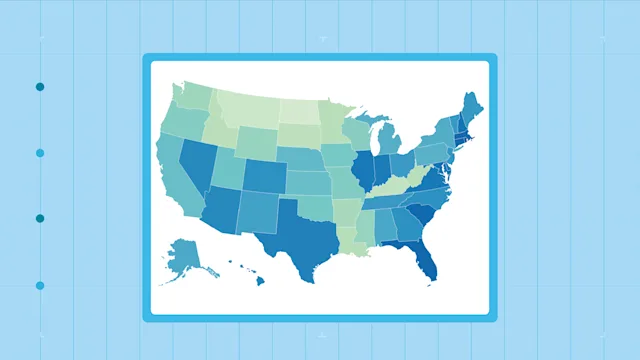
In the map below, states are shaded based on the percent of anxiety and depression medication prescriptions filled in 2022. The darker the blue, the higher the percent of prescriptions filled for anxiety and depression drugs.
In 43 U.S. states, at least 10% of total prescriptions filled were for anxiety and depression medications.
States with the highest share of prescription fills for depression and anxiety medication also had higher rates of mental illness
The top 10 states with the highest percent of prescriptions filled for anxiety and depression medications in 2022 were:
New Hampshire (14.2%)
Iowa (14.2%)
Montana (13.8%)
North Dakota (13.7%)
Vermont (13.6%)
Idaho (13.5%)
Oklahoma (13.5%)
Minnesota (13.5%)
Oregon (13.4%)
Colorado (13.2%)
These states also scored between 26 (Oklahoma) and 51 (Oregon) on Mental Health America’s most recent mental illness prevalence rankings, which correspond to higher rates of mental illness and substance use issues compared to other states.
Taken together, these findings suggest these states have a higher share of medication fills for mental health conditions due to higher prevalence rates.
Most states with less prescription fills for depression and anxiety medications had lower rates of mental illness
The states with the lowest share of depression and anxiety medication fills in 2022 were:
Hawaii (7.3%)
New York (7.4%)
New Jersey (8.8%)
California (8.8%)
Rhode Island (8.9%)
Texas (9.4%)
Mississippi (9.6%)
According to the most recent Mental Health America report, Hawaii (17.9%), Texas (18%), New Jersey (18.3%), and New York (18.8%) had some of the lowest percentages of adults with mental illness in the country. The lower rates in some of these states may partly explain the lower fill rates for anxiety and depression medication there. But the numbers are still staggering.
The only exception was Rhode Island, which had a higher prevalence of mental illness (24.1%). But other estimates place its rate even higher, at 37.3%. This may suggest that mental health illness in Rhode Island is treated with alternative approaches to prescription medication or no prescription medication at all.
Summing it all up
CDC reports reveal that treatment for depression and anxiety increased between 2019 and 2021, at the height of the pandemic. Whether these trends, which include the use of anxiety and depression medications, will continue after 2022 is an open question.
We found that fills for depression and anxiety medications increased during the pandemic in a vast majority of U.S. states. And more than 10% of total prescription fills were for these medications in many states last year.
This suggests the use of prescription medication may become more common for mental health treatment, especially as the pandemic enters another year.
Co-contributors: Tori Marsh, MPH
Methodology
Mental health prevalence and rankings data: Data for the percent depressed and percent anxious was obtained from the CDC Household Pulse Survey and represents the average percent of individuals who reported experiencing symptoms of either depression or anxiety during a 7-day period. The percent change for these measures was compared from 2020 to 2022. CDC started collecting this data in May 2020. The inclusion dates for 2020 include April 23, 2020 - Dec 21, 2020 while the inclusion dates for 2022 include January 26, 2022 - January 16, 2023. The State Mental Health Rankings data was obtained from the 2020 and 2023 Mental Health America (MHA) reports. Two rankings were specifically used: 1) rankings for states based on the access to mental health care and 2) rankings based on the prevalence of mental health illness and substance use. The state rankings range from 1 (least severe) to 51 (most severe). The ranking difference for each state was calculated as the difference in the rankings published in 2020 and 2023. This difference represents how a state's ranking changed relative to other states in that period. A rank increase in Access to Care Ranking represents an improvement in access to mental health care relative to other states in that period, while an increase in the ranking for Prevalence of Mental Illness Ranking indicates a reduction in the mental health illness and substance use, relative to other states in the same period. For example, in the 2020 report, Nevada was ranked 45 for prevalence of mental illness, which corresponds to higher prevalence of mental health and substance use issues as compared to states in the same period that ranked higher (such as Pennsylvania ranked 7). In the 2023 report, Nevada ranked 18 in the same prevalence of mental illness ranking, which indicates that the prevalence of mental health and substance use is lower than other states that have a lower ranking in 2023 (such as Oregon ranked 51). When comparing Nevada’s ranking between 2020 and 2023, we calculate the difference in these rankings to be 27, and interpret the move from a lower ranking of 45 in 2020 to 18 in 2023 as a reduction in the prevalence of mental illness in this state, relative to other states. Conversely, a decrease in the prevalence ranking indicates an increase in mental health illness and substance use issues in that state, while a decrease in the access to mental health ranking indicates the state is providing relatively less access to insurance and mental health treatment.
Prescription percentage calculation:Using a representative sample of U.S. prescription fills, we calculated the annual fill percent for depression and anxiety medications for each year from 2014 to 2022. To calculate fill percent, we obtained the fill count for depression and anxiety drugs as a group as a percent of fills for all drugs (we excluded vaccinations from our fill count of all drugs). Cross-sectional fill rates are reported using all pharmacies present in our sample. State-level fill percent changes are reported using a panel of pharmacies that were present in the sample in each month from January 2019 to December 2022. A one percent increase is used as a threshold for increased prescription fills when comparing 2019 to 2022.
Depression and anxiety medications included in analysis:Abilify, alprazolam, amitriptyline, amoxapine, Aplenzin, Ativan, Brintellix, budeprion sr, budeprion xl, bupropion, bupropion sr, bupropion xl, buspirone, Celexa, chlordiazepoxide, chlordiazepoxide/amitriptyline, chlorpromazine, citalopram, clorazepate, Cymbalta, Deplin, desipramine, desvenlafaxine er, diazepam, Dolgic Plus, doxepin, duloxetine, Effexor Xr, Emsam, escitalopram, Fetzima, fluoxetine, Forfivo Xl, hydroxyzine hydrochloride, hydroxyzine pamoate, imipramine hydrochloride, imipramine pamoate, Khedezla, Lexapro, lorazepam, maprotiline, Marplan, meprobamate, midazolam, mirtazapine, Nardil, nefazodone, Niravam, Norpramin, nortriptyline, olanzapine/fluoxetine, Oleptro, oxazepam, Pamelor, Parnate, paroxetine, paroxetine er, Paxil, Paxil Cr, perphenazine/amitriptyline, Pexeva, phenelzine, Pristiq, prochlorperazine, protriptyline, Prozac, Remeron, Seroquel Xr, sertraline, Surmontil, Symbyax, Tofranil, Tofranil-Pm, Tranxene, tranylcypromine, trazodone, trifluoperazine, Valium, venlafaxine, venlafaxine er, Viibryd, Vistaril, Wellbutrin, Wellbutrin Sr, Wellbutrin Xl, Xanax, Zoloft, aripiprazole, Desvenlafaxine Fumarate Er, Rexulti, quetiapine er, trimipramine, Trintellix, desvenlafaxine succinate er, bupropion (Forfivo XL), Spravao, Drizalma Sprinkle, Abilify Mycite, Loreev Xr, Zulresso, Auvelity, vilazodone.
References
Bureau of Health Workforce, Health Resources and Services Administration. (2022). Designated health professional shortage areas statistics: Designated HPSA quarterly summary.
Centers for Disease Control and Prevention. (2022). Anxiety and Depression Household Pulse Survey.
Centers for Disease Control and Prevention. (2022). Mental health treatment among adults aged 18–44: United States, 2019–2021.
Daly, M., et al. (2022).Depression and anxiety during COVID-19. The Lancet.
Hawaii Senate Bills. (2019). SB 536 Relating to Prescriptions.
Kaiser Family Foundation. (2021). Mental health in Hawaii.
Kaiser Family Foundation. (2021). Mental health in Rhode Island.
Kaiser Family Foundation. (2022). How does use of mental health care vary by demographics and health insurance coverage?
Mental Health America (2022). The state of mental health in America 2023.
New York State (2020). Department of financial services adopts new emergency regulation requiring insurance companies to waive cost-sharing for in-network telehealth visits.
Schmidt, H. (2022). Depression, anxiety prescriptions soar during coronavirus pandemic. PharmaNewsIntelligence.
State of Rhode Island and Providence Plantations. (2020). Executive Order, Fourth Supplemental Emergency Declaration - Expanding Access to Telemedicine Services.
The Economist (2021). Covid-19 has led to a sharp increase in depression and anxiety.

Why trust our experts?