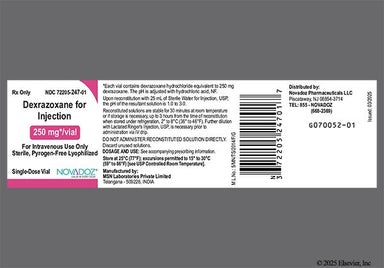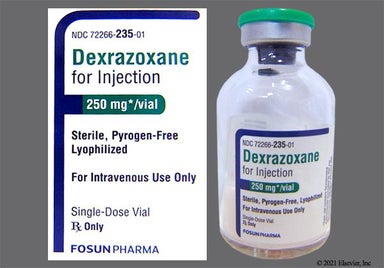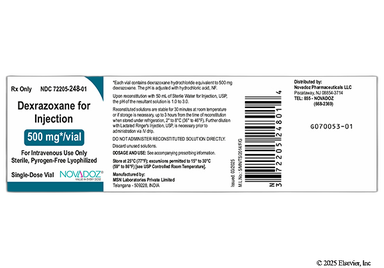
Dexrazoxane is an injectable medication used to protect against heart damage caused by doxorubicin (Adriamycin) treatment in females with breast cancer that has spread to other parts of the body. In some instances, it can also treat extravasation (skin damage) caused by anthracycline chemotherapy medications when they leak out of the vein during infusion.
Dexrazoxane is used to prevent or reduce thickening of the heart muscle caused by doxorubicin (Adriamycin) treatment in females with breast cancer that's spread to other parts of the body. And they must also have already received a certain lifetime dose of doxorubicin (Adriamycin) and will continue to receive doxorubicin (Adriamycin). Additionally, the brand name Totect has been FDA approved to treat extravasation of anthracycline chemotherapy leaking from the injection site.
Sometimes medications cause extravasation, or leaking out of the vein while they're being injected. This can cause damage to the skin and tissue around the injection site. Common signs of anthracycline chemotherapy leaks include pain, redness, stinging, burning sensation, and swelling around the site of injection. If you experience any of these symptoms, let your provider know right away. Your provider might apply a cold pack every few hours to tighten the blood vessels in the affected area. This can help lessen the chemotherapy spreading further and causing more damage. Dexrazoxane is an option to treat extravasation if the cause is from an anthracycline chemotherapy medication.
The way dexrazoxane works isn't fully known. It's thought to interfere with the production of free radicals in the heart and skin tissue caused by anthracycline chemotherapy medications like doxorubicin (Adriamycin). Free radicals are unstable chemicals that can damage the body, including the heart muscle and skin tissue cells.
Your provider will calculate the dose of dexrazoxane based on your health conditions and your body surface area (BSA), which takes into account your weight and height. It's given by a trained healthcare provider through the vein (intravenous, IV). To treat extravasation, Totect is given IV as soon as possible over 1 to 2 hours once a day for 3 days in a row. To prevent and reduce the severity of thickening of the heart muscle from doxorubicin (Adriamycin), your provider will take into account how much doxorubicin (Adriamycin) you received to determine your dose of dexrazoxane. Typically, dexrazoxane is given IV right before your dose of doxorubicin (Adriamycin).
Since dexrazoxane was studied in people who were also receiving chemotherapy and had certain health conditions, it's difficult to know which side effects are caused by it alone. Some common side effects people reported during studies include fever, pain at the injection site, feeling tired, swelling in the arms and legs, nausea, vomiting, diarrhea, infection, dizziness, and hair loss. If you experience any side effects after receiving dexrazoxane, let your provider know.
Dexrazoxane has been associated with some important risks you should know about. It might add to lowered blood counts caused by chemotherapy, which can raise your risk of infection. Your provider will monitor your labs while you're receiving this medication. Also, this medication can cause harm to unborn babies. It's recommended to use birth control during treatment and for 3 months (males) or 6 months (females) after your last dose to prevent pregnancy. Dexrazoxane can also cause a serious allergic reaction, including anaphylaxis. Get medical help right away if you experience a rash, trouble breathing, or swelling in your lips, tongue, or throat.
Although certain medicines should not be used together at all, in other cases two different medicines may be used together even if an interaction might occur. In these cases, your doctor may want to change the dose, or other precautions may be necessary. When you are receiving this medicine, it is especially important that your healthcare professional know if you are taking any of the medicines listed below. The following interactions have been selected on the basis of their potential significance and are not necessarily all-inclusive.
Using this medicine with any of the following medicines is usually not recommended, but may be required in some cases. If both medicines are prescribed together, your doctor may change the dose or how often you use one or both of the medicines.