Key takeaways:
Making the decision to quit smoking and sticking to the plan is hard, but treatment options are available to help.
Treatment with therapy, support, and medications for tobacco use disorder can help you quit and recover from smoking.
Medications for tobacco use disorder may have unwanted side effects. In most cases, though, they are safe and effective ways to stop smoking.
Save on related medications
Smoking causes 480,000 deaths each year in the U.S., making it the leading cause of preventable death, disease, and disability. Still, more than 34 million people in the U.S. smoke, but many are hoping to quit.
If you’re hoping to put nicotine and tobacco behind you, consider medications for tobacco use. This treatment combines medications, therapy, and support, and it may be your best chance for a smoke-free future.
Keep reading to learn more about how medications can help you quit smoking, which ones to try, and how to boost your success.
Can medications help treat addictions?
Medications can help you manage several substance use disorders, or addictions as they are commonly called. Nicotine, opioids, and alcohol use disorders can all benefit from adding medications to the treatment plan.
Professionals developed specific programs called medication-assisted treatment (MAT) to manage drug misuse. The term medication-assisted treatment is an older phrase that is currently being phased out. The more preferred term is “medications for substance use disorders.”
Combining medications with behavioral treatments and additional support is an effective way to stop using substances like nicotine. These services can jump-start your recovery and help manage future cravings.
How does medication-assisted therapy for a nicotine use disorder work?
Medications for tobacco use disorder (MTUD) include over-the-counter and prescription medications to help make quitting easier. These medications reduce withdrawal symptoms and improve brain chemistry. With them, ending your tobacco use could be more comfortable and more successful.
People who use medications to quit smoking can increase their chances of quitting by 70%, compared to people who try to quit without a similar program.
Which medications may be prescribed for smoking cessation?
There are three medications that are approved to help you quit smoking:
Nicotine replacement therapy (NRT)
Bupropion (Wellbutrin, Zyban)
Varenicline (Chantix)
Each option is unique and works differently in the body. Be sure to consult your healthcare provider for a recommendation about which medication for tobacco use disorder is best for you.
Below, we’ll go into each of the three medications.
What is nicotine replacement therapy (NRT)?
Nicotine replacement therapy (NRT) is not really a different medication. Instead, it is the practice of using steady, controlled doses of nicotine to manage your urges to smoke. The doses are gradually decreased over time until you reach the point of being nicotine-free.
NRT is available as patches, gums, and lozenges. All of these are available for purchase over-the-counter. Nicotine nasal sprays and inhalers are only available with a prescription. You can use just one form, or your provider may recommend a combination of NRT for better results.
People who are still smoking should never use NRT because of an overdose risk. Once you make the decision to stop, though, you are free to start NRT.
How does varenicline (Chantix) help you quit smoking?
Varenicline (Chantix) is another prescription option to help you quit smoking. It is a medication specifically designed to interact with nicotine receptors in the brain.
Varenicline helps your recovery in two ways:
It makes smoking less enjoyable.
It decreases discomfort when you quit.
It takes a while for varenicline to build up in your system. So, you can start taking the pill before you plan to quit. People usually use this medication for 12 weeks. But your provider may renew your prescription to increase your recovery time.
How does bupropion (Wellbutrin, Zyban) help you quit smoking?
NRT and varenicline are options developed with smoking in mind. Bupropion (Zyban, Wellbutrin) is an antidepressant. It started getting attention as a medication for tobacco use disorder when people taking it had less of a desire to smoke.
Bupropion reduces cravings and other symptoms of nicotine withdrawal. It does so by adjusting chemicals in the brain and increasing the amounts of norepinephrine and dopamine available.
What are the risks of medication-assisted treatment for nicotine?
Using medications for your tobacco use disorder does come with risks. You have to remember, though, that continuing to smoke carries the greatest risk.
Like other treatments, the risks mainly stem from unwanted side effects of the medications. The side effects of medications for tobacco use disorders include:
Nausea, vomiting, and constipation
Headache
Trouble sleeping, strange dreams, and sleepwalking
Seizures
High blood pressure
New or worsening mental health symptoms like depression and anxiety
Always let your doctor know if you experience any troubling side effects and have a plan to manage them. If serious symptoms appear, call 9-1-1 or go to the nearest emergency room.
Can medication-assisted treatment be combined with other treatment options for a nicotine use disorder?
Several medication options can be combined to create a better treatment plan. You could use NRT and varenicline — or NRT and bupropion. These combos could give you better results than any single treatment alone.
Other people have found a benefit in using additional medications to quit smoking. Medicines like nortriptyline (Pamelor) and clonidine (Catapres) seem helpful alone or in combination with NRT.
How do behavioral treatments fit into medications for tobacco use disorder?
Behavioral treatments, like therapy, are essential parts of recovering from tobacco use disorder. Medications address biological issues. Therapy and counseling services address the psychological challenges connected to quitting.
Some of the most helpful behavioral treatments for quitting smoking are:
Cognitive behavioral therapy (CBT): CBT helps you identify and avoid smoking triggers and teaches you healthy coping skills to manage cravings.
Motivational interviewing (MI): MI works to explore your reasons for quitting and builds internal motivation to stay tobacco-free.
Mindfulness–based options: Through mindfulness, you can become more aware of your sensations and thoughts linked to smoking and then find new ways to tolerate them.
In addition to these professional services, peer support and telephone hotlines are extremely helpful in your plan to quit smoking. Even better, they fit in well with medications and therapy as part of a treatment plan.
The Department of Health and Human Services offers a free quit-line at 877-44U-QUIT, and it also offers more online resources for quitting smoking.
Do vapes or electronic cigarettes help you quit smoking?
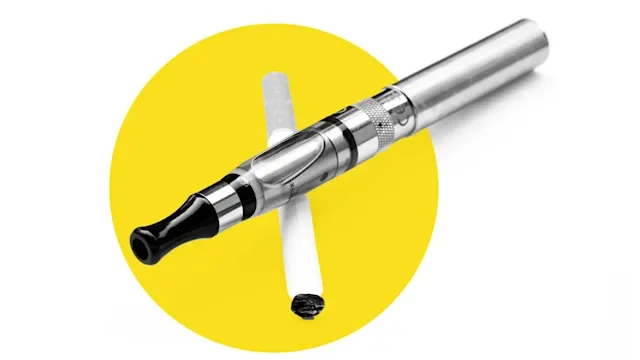
Using vapes and electronic cigarettes (e-cigs) might seem like a good idea, but that may not be the case. These devices are not recommended as aids to help you quit smoking.
Vapes and e-cigs may remove the dangers related to cigarettes, but they create new problems. Rather than switch out one problem for another, the real goal is to quit tobacco and end your use of nicotine.
Who are medications for tobacco use disorder right for?
Medication options are very helpful for people with tobacco use disorders. Not everyone will benefit from medications to help quit smoking. But they could be worth a try if you:
Smoke more than a pack each day
Need to smoke right after waking up
Smoke while you’re sick
Wake up to smoke during the night
If your life revolves around smoking, and your health is at risk, talk to your doctor to see if medications for tobacco use could be for you.
The bottom line
Smoking is a dangerous habit and a deadly addiction. Luckily, a variety of medications make it more comfortable and convenient to quit smoking. With medication, therapy, and support, you could pick a “quit day” and stick to it.
If you or someone you know struggles with substance use, help is available. Call SAMHSA’s National Helpline at 1-800-662-HELP (4357) to learn about resources in your area.

Why trust our experts?



References
American Cancer Society. (2020). Nicotine replacement therapy to help you quit tobacco.
American Cancer Society. (2020). Prescription medications to help you quit tobacco.
American Cancer Society. (2020). Ways to quit tobacco without using medicines.
Centers for Disease Control and Prevention. (2021). Smoking and tobacco use: Fast facts.
National Institute on Drug Abuse. (2020). What are treatments for tobacco dependence?
New York State Office of Addiction Services and Supports. (n.d.). Medications for tobacco use disorder and nicotine dependence.
Substance Abuse and Mental Health Services Administration. (2022). MAT medications, counseling, and related conditions.