bacitracin non-prescription
Bacitracin is a topical antibiotic ointment that's used to help prevent skin infections from small cuts, scrapes, and burns. It's available over the counter (OTC) and generally can be used in both children and adults. The ointment is typically applied 1 to 3 times a day to the affected area(s) of the skin. Side effects aren't very common, but if you develop a rash, you'll need to stop using it and contact your provider.


What is Bacitracin?
What is Bacitracin used for?
- Preventing bacterial infections in minor cuts, scrapes, and burns
How Bacitracin works
Bacitracin is a topical antibiotic. It stops the growth of bacteria by making their protective covering weaker. It also blocks certain proteins they need to survive from working. When this medication is applied to wounds, it stops bacteria from spreading, which prevents infections.
Drug facts
| Common Brands | Bacitraycin Plus Original |
|---|---|
| Drug Class | Topical antibiotic |
| Controlled Substance Classification | Not a controlled medication |
| Generic Status | Lower-cost generic available |
| Availability | Over-the-counter |

Side effects of Bacitracin
The following side effects may get better over time as your body gets used to the medication. Let your healthcare provider know immediately if you continue to experience these symptoms or if they worsen over time.
Common Side Effects
Side effects aren't common. See Risks and Warnings.
Less Common Side Effects
Bacitracin serious side effects
Contact your healthcare provider immediately if you experience any of the following.
- Allergic reactions: rash, itching, hives, swelling of face or lips, trouble breathing
The following Bacitracin side effects have also been reported
Side effects that you should report to your care team as soon as possible:
- Allergic reactions—skin rash, itching, hives, swelling of the face, lips, tongue, or throat
Side effects that usually do not require medical attention (report these to your care team if they continue or are bothersome):
- Mild skin irritation, redness, or dryness

Pros and cons of Bacitracin
Pros
- Can be used to prevent infections from minor skin injuries
- Very few side effects
- Available over the counter as a lower-cost, generic medication
- A good option for those with allergies to other topical antibiotics
Cons
- Might need to use a few times per day
- Can be messy to use
- Not meant for long-term use
- Can't be used to treat infections

Pharmacist tips for Bacitracin

- Before using bacitracin, clean the affected area(s) of your skin. Wash your hands before and after using this medication. This will help prevent the spread of germs.
- Only use bacitracin on the outside of your body. Never use it in your eyes or inside your mouth, nose, ears, or genitals. Also, don't apply this medication onto a large area of your body. Talk to your healthcare provider if you need an antibiotic ointment for these areas.
- You can use a clean bandage to cover the affected area after applying bacitracin so it won't get on your clothing.
- Some people can get a skin rash from bacitracin. If you get itchy, red, or burning skin after using this medication, stop using it and tell your provider right away. These are signs of a possible allergic reaction.
- Store bacitracin at room temperature away from children and pets.

Risks and warnings for Bacitracin
Bacitracin can cause some serious health issues. This risk may be even higher for certain groups. If this worries you, talk to your doctor or pharmacist about other options.
Allergic reaction
Bacitracin can cause an allergic reaction. If you develop a skin rash or other reaction while using this medication, stop using it and contact your provider. If you experience a more serious allergic reaction, such as shortness of breath or swelling of your tongue, lips, or face, get emergency medical help right away.
Use only on your skin
Bacitracin should only be used on your skin. Don’t put it in your eyes or inside your nose, mouth, or genitals. If this medication is swallowed, get medical help or contact a Poison Control Center right away by calling 1-800-222-1222.
Not for wounds caused by a viral or fungal infection
Bacitracin can only help protect against bacterial infections. Applying this medication to a wound that's caused by a viral or fungal infection might lead to the development of antibiotic-resistant bacteria in the wound. This means that the bacteria that starts to grow in the wound can become very difficult to get rid of, even with the use of antibiotics. Only apply bacitracin to minor cuts, scrapes, and burns. And if your wound doesn't improve, gets worse, or goes away then comes back within a few days, contact your provider.

Bacitracin dosage
 Tube of ointment
| Dosage | Quantity | Price as low as | Price per unit |
|---|---|---|---|
| 500 units/g | 14 tubes | $11.07 | $0.79 |

How much does Bacitracin cost?
$11.07

What are alternatives to Bacitracin?

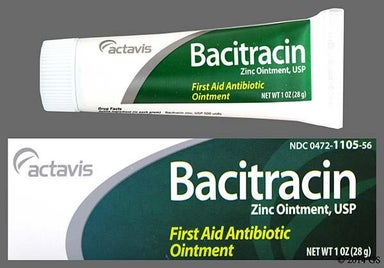
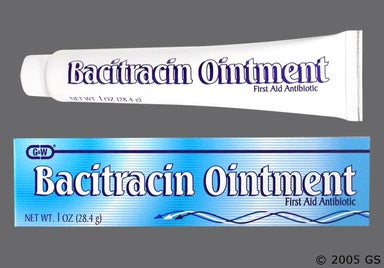
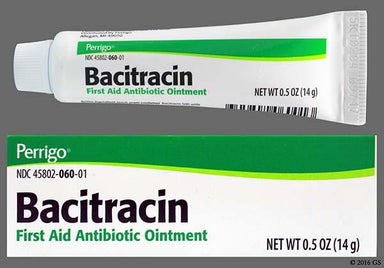
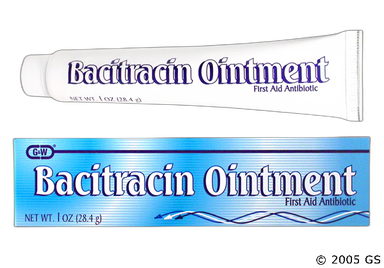
Bacitracin images