




Zoloft for Depression: Important Things to Know Before Taking This Antidepressant
Zoloft is a popular antidepressant, but it’s important to know its potential side effects. Here's what side effects to expect during your first week and beyond.
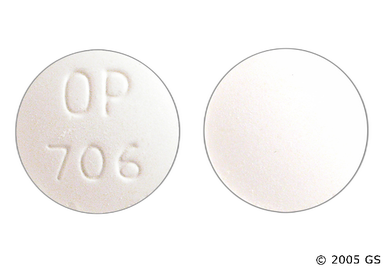
Disulfiram is an alcohol antagonist that's used to treat alcohol use disorder in adults. It's a tablet that's taken by mouth once a day. It's preferred that you take part in behavioral therapies and support groups along with disulfiram. Abstinence (not drinking alcohol) is also important while you're taking this medication. Otherwise, you can get a severe reaction called the disulfiram-alcohol reaction. Some side effects can include drowsiness and headache. While the brand name Antabuse has been discontinued, generic disulfiram is still available.

Disulfiram is an alcohol antagonist. It works by stopping a protein in your liver from breaking down a by-product of alcohol after you consume something with alcohol in it. This causes your body to clear alcohol from your system slower.
As a result, the medication causes you to experience unpleasant effects, like sweating, a racing heart, flushing, nausea, and dizziness, when you drink any alcohol. These effects are meant to discourage you from drinking alcohol.
| Common Brands | Antabuse |
|---|---|
| Drug Class | Alcohol use treatment |
| Controlled Substance Classification | Not a controlled medication |
| Generic Status | Lower-cost generic available |
| Availability | Prescription only |

The following side effects may get better over time as your body gets used to the medication. Let your healthcare provider know immediately if you continue to experience these symptoms or if they worsen over time.
Contact your healthcare provider immediately if you experience any of the following.
Along with its needed effects, a medicine may cause some unwanted effects. Although not all of these side effects may occur, if they do occur they may need medical attention.
Check with your doctor as soon as possible if any of the following side effects occur:
Some side effects may occur that usually do not need medical attention. These side effects may go away during treatment as your body adjusts to the medicine. Also, your health care professional may be able to tell you about ways to prevent or reduce some of these side effects. Check with your health care professional if any of the following side effects continue or are bothersome or if you have any questions about them:
More common
Drowsiness
Less common or rare
Decreased sexual ability in males
headache
metallic or garlic-like taste in mouth
skin rash
unusual tiredness
Other side effects not listed may also occur in some patients. If you notice any other effects, check with your healthcare professional.
Call your doctor for medical advice about side effects. You may report side effects to the FDA at 1-800-FDA-1088.




Disulfiram can cause some serious health issues. This risk may be even higher for certain groups. If this worries you, talk to your doctor or pharmacist about other options.
 Even in small amounts, drinking alcohol or consuming any products with alcohol (e.g., vinegars, cough syrups) while you're taking disulfiram will cause an unpleasant reaction called the disulfiram-alcohol reaction. Symptoms include flushing, head and neck throbbing, difficulty breathing, nausea, vomiting, fast heartbeat, and chest pain.
This reaction to alcohol can happen up to 14 days after you take disulfiram. It can last for 30 to 60 minutes, but can even last several hours in severe cases. It's recommended to seek medical help if you're experiencing symptoms that suggest you're having a disulfiram reaction.
Though rare, some people who took disulfiram have had serious liver problems that can lead to liver failure. You might need to get blood tests to check your liver health before and during treatment to make sure your liver is working properly. Get medical attention right away if you notice stomach pain; yellowing of your skin or the whites of your eyes; stool changes (black, tarry, or bloody stools); dark or brown urine; nausea; vomiting; or confusion. You might need to stop using the medication to prevent further liver damage.
Severe allergic reactions to disulfiram are possible. Let your provider know if you have an allergy to rubber. A chemical that's in rubber called thiuram is similar to disulfiram. So, it's possible that you might be allergic to disulfiram if you're allergic to rubber. Seek medical attention right away if you notice hives, rash, red skin, swelling of the lips or tongue, or difficulty breathing after you take disulfiram.

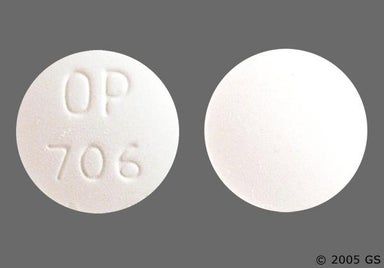
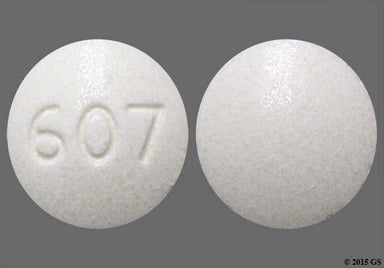
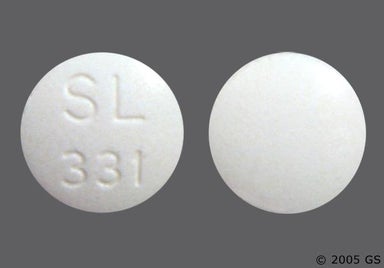
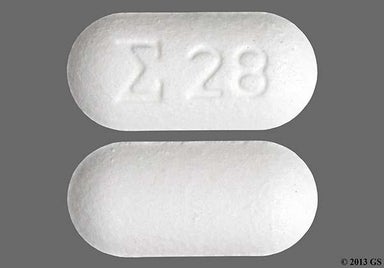
 Tablet
| Dosage | Quantity | Price as low as | Price per unit |
|---|---|---|---|
| 250mg | 30 tablets | $31.97 | $1.07 |
| 500mg | 30 tablets | $111.65 | $3.72 |
The typical starting dose is up to 500 mg by mouth once a day for 1 to 2 weeks. Then, your provider will work with you to adjust your dose based on your response to the medication. The typical dose ranges from 125 mg to 500 mg once daily.

Although certain medicines should not be used together at all, in other cases two different medicines may be used together even if an interaction might occur. In these cases, your doctor may want to change the dose, or other precautions may be necessary. When you are taking this medicine, it is especially important that your healthcare professional know if you are taking any of the medicines listed below. The following interactions have been selected on the basis of their potential significance and are not necessarily all-inclusive.
Using this medicine with any of the following medicines is not recommended. Your doctor may decide not to treat you with this medication or change some of the other medicines you take.
Using this medicine with any of the following medicines is usually not recommended, but may be required in some cases. If both medicines are prescribed together, your doctor may change the dose or how often you use one or both of the medicines.
Using this medicine with any of the following medicines may cause an increased risk of certain side effects, but using both drugs may be the best treatment for you. If both medicines are prescribed together, your doctor may change the dose or how often you use one or both of the medicines.


Contraindications are specific health conditions or situations in which a person should not take a medication due to safety concerns. If you have any of the following conditions or if any of the following apply to you, let your healthcare provider know because Disulfiram will not be safe for you to take.










Prescription savings
Stop paying too much for your prescriptions. Compare prices, get pharmacy coupons, and save up to 80%. Find expert answers to your health questions so you can make the best decisions for yourself and your family.
Health conditions
Medications & treatment
Access & affordability
Medication discounts

The effects of Disulfiram can last in the body for up to 2 weeks. This medication works by blocking a protein in your liver from breaking down the toxic by-products of alcohol. And it takes your body a few weeks to make new versions of this protein (to replace the protein that the medication has blocked). For this reason, you shouldn't drink any alcohol for at least 2 weeks after your last Disulfiram dose. Otherwise, you might have a disulfiram reaction.
The disulfiram-alcohol reaction, or simply the disulfiram reaction, is an unpleasant reaction that happens if you drink alcohol after you take Disulfiram and when the medication is in your system. Disulfiram makes you sensitive to alcohol. So if you drink alcohol with Disulfiram in your system, you'll experience side effects like sweating, racing heart, dizziness, nausea, vomiting, trouble breathing, and chest pain. In severe cases (like when a person drinks an excessive amount of alcohol), it's possible that a heart attack, seizure, or even death can happen.
The disulfiram reaction can happen about 10 to 30 minutes after you drink alcohol with Disulfiram in your system. The reaction can last for about 30 to 60 minutes, but it can also last for several hours for more severe cases.
No, Disulfiram isn't a cure for alcohol use disorder. The medication should be used together with motivation from your healthcare provider and loved ones, behavioral therapy, and support groups to get the best results.
No, Disulfiram doesn't lessen alcohol cravings. It only works by making you more sensitive to the effects of alcohol. So if you drink alcohol while you're taking Disulfiram, you'll feel unpleasant effects (like nausea, a racing heart, and chest pain), which will discourage you from drinking alcohol. Speak with your healthcare provider for resources and tips on how to control your alcohol cravings.
Disulfiram doesn't appear to directly affect your weight. However, it's important to consider the effects alcohol has on your metabolism. Alcohol can lead to weight gain, especially if you drink excessive amounts or if you drink alcohol that's high in sugar. Keep in mind that when you stop drinking alcohol, weight gain is still possible if you're not careful with your dietary choices. So when you stop drinking alcohol and start treatment with Disulfiram, it's important that you follow a balanced diet and exercise plan.
It's possible for Disulfiram to cause liver damage, but it's rare. It's also important to keep in mind that alcohol can cause liver damage too. To make sure Disulfiram isn't harming your liver, your provider might regularly order blood tests to check your liver health. Get medical attention right away if you notice signs of liver damage, such as stomach pain; yellowing of your skin or the whites of your eyes; stool changes (black, tarry, or bloody stools); dark or brown urine; nausea; vomiting; or confusion.
