Key takeaways:
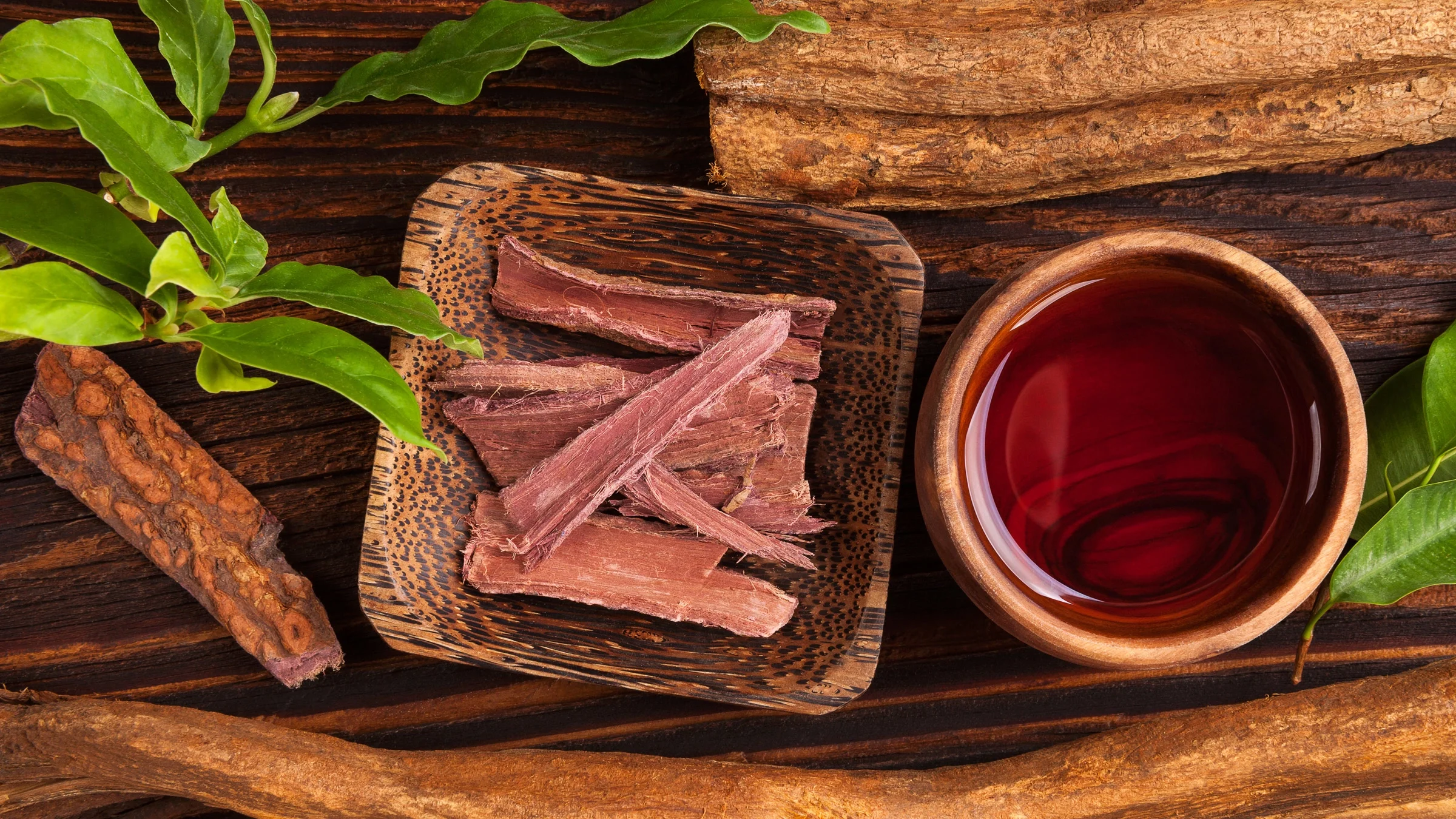
Ayahuasca is a tea drink that has been used in South American ceremonies for hundreds of years to treat ailments.
Made up of multiple plants that are boiled together, the ayahuasca tea contains DMT, a substance that produces powerful hallucinations.
New research suggests that ayahuasca could be an effective treatment for various mental health conditions like depression, anxiety, and addiction.
Ayahuasca is a potent drink that has been produced in South American countries like Peru and Brazil for hundreds of years for its abilities to create powerful hallucinations in users. Recently, the drink has become more popular among Americans who travel to Central and South America to take part in authentic ceremonies. People are also increasingly consuming the substance in U.S.-based churches that are using the drug for rituals. Early signs point to the drink offering mental health benefits to those who use it.
Read on to learn about ayahuasca’s history and purposes, as well as its risks and benefits.
Search and compare options
What is ayahuasca?
Ayahuasca is a drink made by brewing the leaves of plants from the Amazon rainforest into a tea. Some of the leaves that are brewed contain the active substance DMT. Other leaves help to slow down how your body absorbs DMT. This extends the effects you feel and creates a longer experience.
In South America, drinking ayahuasca has been done for hundreds of years in rituals and religious practices among the people who are native to the region. In recent years, American and European tourists have been traveling to the area to experience the effects of ayahuasca first hand. Others are importing the leaves to the U.S. through legal loopholes and religious exemptions and offering the drink as part of ceremonies linked to Native American beliefs.
What is DMT, and how does it relate to ayahuasca?
DMT is a naturally occurring substance that creates the hallucinogenic effects of ayahuasca. DMT is found in various plants native to the Amazon, but the substance also occurs naturally in the human brain and can be found in the blood and urine. It’s role in the body is not well understood, though.

Read more like this
Explore these related articles, suggested for readers like you.




In 1931, a British chemist was able to create artificial DMT in a lab. The drug became a controlled substance in the early 1970s, after it gained increased interest and popularity in the 1960s.
Pure DMT can be injected, but it is usually smoked by those wanting a shorter period of hallucinations. When you consume pure DMT, the effects may only last between 30 and 45 minutes.
What can I expect from using ayahuasca?
Depending on the setting, you could have a very traditional ceremony in the jungles of South America or a weekend retreat somewhere in the U.S. There could be someone reputable on hand to help you understand the drink, what to expect, and how to make the most of the experience. Or you could receive very little guidance at all.
Shortly after consuming ayahuasca, the drug will cause vomiting and intense diarrhea before the visions appear. This “purging” is part of the process and is supposed to cleanse and prepare you for what is to come.
Soon after, the hallucinations begin. The visions are believed to reveal the nature of life, disease, and being human. You may feel enlightened and connect to some greater understanding of life and truth.
A wonderful experience is not promised, though. You could be transported to a scary and painful experience due to intensely negative hallucinations.
DMT can create effects in the body very quickly, but the addition of other leaves in the brew extends the duration of the hallucinations, causing them to last for several hours.
How is ayahuasca taken?
Traditional use of ayahuasca in South America involves small ceremonies where a shaman and a small group of people would take the drink to address and resolve specific illnesses. Current ayahuasca ceremonies in the U.S. may be led by someone who calls themselves a “shaman” or “healer” and presents the drink to a larger group.
What are the wanted effects of ayahuasca?
Rather than seeking physical wellness or healing, you may be interested in using the drug to resolve some sort of spiritual or life crisis. You may seek enlightenment or a way to overcome struggles that have weighed you down.
You may use the drug to create the wanted effects of ayahuasca like:
Hallucinations
Intensified feelings and sensory perceptions
Mixing senses where you feel colors or see sounds
Distorted sense of time
Increased energy
With ayahuasca, you can note hallucinations that involve “otherworldly imagery” that could include heavenly experiences or hellish visions.
What are some of the risks involved?
The process of drinking ayahuasca is uncomfortable, so you should understand what you face before using the substance. When you drink the tea, you can expect significant side effects of ayahuasca like:
High blood pressure
Dizziness
Nausea and vomiting
Increased heart rate
Agitation
Risk of seizures
There is no information to suggest that repeated use of ayahuasca results in any unwanted physical or mental health issues in the long term, but not much research has been conducted on the drug. Issues like tolerance, addiction, and dependence do not seem to appear with DMT.
What mental health issues may ayahuasca help with?
Because of the drug’s legal status, conducting research studies about ayahuasca and DMT is challenging. Instead, experts conduct surveys to gather information about the drug and its potential benefits.
One survey found that 80% of people who used the drug reported significant improvements in their mental health symptoms. There were also reports of less depression and higher quality of life.
Other findings show that users of ayahuasca report:
Elimination of depressive, anxious, and addictive symptoms
Higher social and emotional functioning
Increased self-awareness, creativity, and empathy
Based on these findings, experts are pursuing the study of ayahuasca in the treatment of:
Addictions including cocaine use disorders, alcohol use disorders, and opioid use disorders.
Depressive disorders
Anxiety disorders
No one is sure how DMT produces these results, but experts guess that the substance interacts with chemicals in the brain, like dopamine, to change brain chemistry. They also suspect that the resolution of past trauma with the drug can help you better understand yourself. This improved understanding is why some believe ayahuasca can enhance psychotherapy.
Is ayahuasca legal in the U.S.?
The legal status of ayahuasca is pretty unclear currently. DMT is considered a schedule I drug, which means it is illegal in all settings, but the plants containing DMT are not illegal. Additionally, some churches are importing the plants to use during ceremonies in America.
Where can I take ayahuasca safely?
Groups can organize all-inclusive ayahuasca trips in South America. People are also using ayahuasca more regularly in major cities like New York and San Francisco, as well as numerous retreats and churches popping up in places like Orlando and Kentucky.
In the U.S., just because someone has access to the plants and claims to know how to properly brew the concoction does not mean they can do so safely. Be sure to understand the risks and potential benefits of ayahuasca before using it.
The bottom line
As a tea consumed for centuries, ayahuasca has a long track record of use and perceived benefits. The drink will produce powerful hallucinations, but you may be more interested in the mental health conditions that can be treated with ayahuasca. There is some evidence that it can help improve depression, anxiety, and addictions, but more information is still needed to know for sure.
If you or someone you know struggles with substance use, help is available. Call SAMHSA’s National Helpline at 1-800-662-HELP (4357) to learn about resources in your area.

Why trust our experts?

References
Barker, S. A. (2018). N,n-dimethyltryptamine (DMT), an endogenous hallucinogen: Past, present, and future research to determine its role and function. Frontiers in Neuroscience.
Drug Enforcement Administration. (2019). N,n-dimethyltryptamine (DMT). U.S. Department of Justice.
Hamill, J., et al. (2019). Ayahuasca: Psychological and physiologic effects, pharmacology and potential uses in addiction and mental illness. Current Neuropharmacology.
Jiménez-Garrido, D. F., et al. (2020). Effects of ayahuasca on mental health and quality of life in naïve users: A longitudinal and cross-sectional study combination. Scientific Reports.
Levy, A. (2016). The drug of choice for the age of kale. The New Yorker.
National Institute on Drug Abuse. (2015). Hallucinogens and dissociative drugs research report.
Peaceful Mountain Way. (n.d.). Peaceful mountain way.
Soul Quest Ayahuasca Church of Mother Earth. (n.d.). Soul quest ayahuasca church of mother earth.
Substance Abuse and Mental Health Services Administration. (2022). SAMHSA's national helpline.