Key takeaways:
Mounjaro (tirzepatide) is a prescription-only medication that’s FDA approved to treat Type 2 diabetes. Without insurance, the average monthly cost of Mounjaro is over $1,300.
Although your medical team may prescribe you Mounjaro off-label for weight loss, your insurance company may only cover Mounjaro for Type 2 diabetes, since that’s what it is FDA approved for.
There are ways to save on Mounjaro. If you’re eligible, a manufacturer copay savings card could help you get Mounjaro for as little as $25 per prescription.
Save on related medications
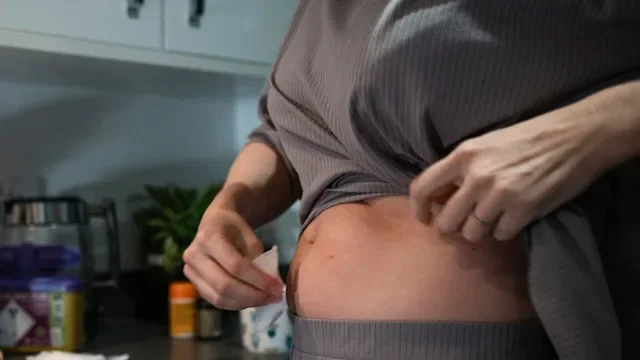
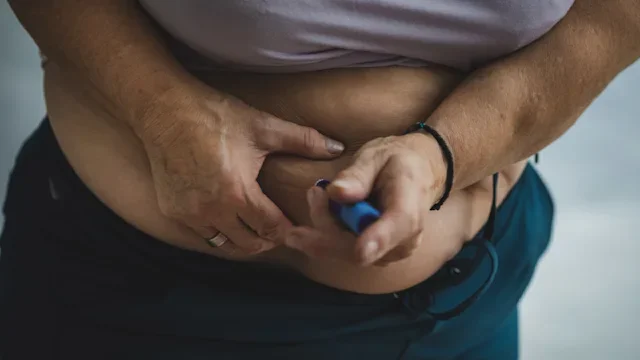
Mounjaro (tirzepatide) is an injectable, prescription-only medication. It’s used along with diet and exercise to reduce blood glucose (sugar) levels in adults and children ages 10 and older. Mounjaro was FDA approved to treat Type 2 diabetes in May 2022. But since then, it’s gained attention for its ability to promote significant weight loss.
If you’re considering adding Mounjaro to your treatment plan, it’s good to know how much it could cost. Mounjaro’s average retail price is over $1,300 per month if you’re paying entirely out of pocket. But there are ways you can potentially save on it, regardless of your insurance status.
Good to know: Mounjaro doesn’t have a generic version available. If someone is selling “generic Mounjaro" or “generic tirzepatide,” it isn’t real Mounjaro.
How much does Mounjaro cost without insurance?
The list price for Mounjaro is approximately $1,112 per month, as of January 2026. But retail prices for a medication are generally higher than the list price due to pharmacy and wholesaler markups. So if you’re uninsured or your plan doesn’t cover Mounjaro, your out-of-pocket costs could be significant.
Search and compare options
The average retail cost for Mounjaro varies slightly by dose:
2.5 mg: about $1335.37 per month
5 mg: about $1335.96 per month
7.5 mg: about $1334.55 per month
10 mg: about $1335.38 per month
12.5 mg: about $1329.40 per month
15 mg: about $1333.90 per month
If you have insurance, you typically won’t pay this much for Mounjaro. But the exact cost will depend on your insurance plan coverage, copays or coinsurance, and deductibles.
What factors affect the cost of Mounjaro?
The cost of Mounjaro can be affected by many factors, including:
Location: The average prices of prescription medications vary from city to city. According to GoodRx research, prescription medications typically cost more in New Orleans and Los Angeles than in Denver, for example.
Pharmacy: The price of Mounjaro can vary from pharmacy to pharmacy — even among locations on the same block. Use GoodRx to compare prices and get the best deal in your area.
Reason for prescription: If you have insurance and your medical team prescribes you Mounjaro for Type 2 diabetes, your plan may cover some of the costs. But if you’re prescribed the medication off-label for weight loss, you may have to pay out of pocket. You could ask your insurer whether your plan covers Zepbound (tirzepatide). This medication contains the same active ingredient as Mounjaro but is approved for weight loss.
Copay savings opportunities: If you have commercial insurance, check to see if you qualify for a manufacturer copay savings card. This may help reduce your out-of-pocket costs.
Is Mounjaro covered by insurance?
If you have insurance, you may be able to get coverage for Mounjaro. But it depends on your health plan’s formulary (list of covered medications) and requirements. For example, your insurance company may cover Mounjaro for Type 2 diabetes, its FDA-approved use. But since Mounjaro isn’t approved for weight loss, your insurance may not cover it for this purpose.
Does Medicare cover Mounjaro?
It depends. If you use Mounjaro to treat Type 2 diabetes, Medicare may cover it, but it’s not guaranteed. It’s also possible you may have to satisfy prior authorization or step therapy requirements for coverage. Check the details of your Part D prescription medication plan to learn more.
At this time, Medicare isn’t allowed to cover weight-loss medications due to the 2003 Medicare Prescription Drug, Improvement, and Modernization Act (MMA). This act established Medicare Part D prescription medication benefits. Lawmakers at the time determined that weight-loss medications, such as Zepbound, were not medically necessary treatments. So the MMA prohibits Part D plans from covering them solely for that purpose. But this may change in the near future.
Does Medicaid cover Mounjaro?
It depends. Medicaid coverage varies by state, so you’ll have to contact your state or territory’s Medicaid agency to determine whether Mounjaro is covered.
Generally, you have to meet certain income and household requirements to qualify for Medicaid. Medicaid enrollees currently have coverage for outpatient prescription medications in all states, although this is an optional benefit under federal law. But each state has its own requirements and rules around things such as step therapy and prior authorization.
For example, Mounjaro is listed as a nonpreferred medication on various state Medicaid formularies, including:
In states where Mounjaro is listed as a preferred medication, it may be easier to get coverage. This includes:
Keep in mind that even if Mounjaro is listed as a preferred medication on your state’s formulary, your prescriber may still need to complete a prior authorization request.
How to get insurance to cover Mounjaro
Below are four steps you can take to increase the chances of getting Mounjaro covered by your insurance:
Talk to your medical team. Schedule an appointment with your healthcare professional to discuss your medical needs, the potential benefits of Mounjaro, and the possibility of getting a prescription. It’s important that your healthcare professional documents these conversations and your treatment journey.
Review your insurance plan’s formulary. Check your plan’s formulary to see if you have coverage. If Mounjaro is not listed as a covered medication, ask for a formulary exception to get coverage. While this process varies from one insurance company to another, you’ll typically need to confirm that the medication is medically necessary and that other medications don’t work well enough or aren’t appropriate for you.
Obtain prior authorization if required. If your insurance company requires prior authorization for Mounjaro, your healthcare professional may need to provide confirmation that you have Type 2 diabetes, along with information about your treatment and medical history.
Request an appeal if necessary. If your insurance provider denies your initial request for coverage, you may appeal the denial. This allows you to submit supporting documentation, such as an appeal letter or letter of medical necessity, that can lead to your insurance company reconsidering its decision. Review your insurer’s appeals process, or call the company directly to discuss your options.
How much can you save with a Mounjaro copay savings card?
If you have commercial insurance, you may be able to pay as little as $25 for a 1-, 2-, or 3-month supply of Mounjaro with the help of a manufacturer copay savings card. The requirements for the Mounjaro savings card are subject to change at any time, so it’s important to review the current benefits and qualifications before purchasing the medication.
If you qualify for the Mounjaro savings card with your insurance, below are the current maximum savings you can get on the medication.
Mounjaro Savings Card Benefits
Type of supply | Maximum savings |
|---|---|
1-month supply | $150 per prescription |
2-month supply | $300 per prescription |
3-month supply | $450 per prescription |
The Mounjaro savings card can be used for up to 13 fills per year. And it has a maximum savings limit of up to $1,950 per calendar year.
How to qualify for a Mounjaro copay savings card
If you have commercial insurance that covers Mounjaro, you must meet the following criteria to qualify for the copay savings card:
Prescription: You must have a prescription from your healthcare professional for Mounjaro for an FDA-approved use.
Insurance coverage: You cannot be enrolled in any government-funded healthcare programs, such as Medicaid or Medicare.
Residency: You must be a resident of the U.S. or Puerto Rico.
Age: You must be 18 or older.
If you have commercial medication insurance that doesn’t cover Mounjaro, you can still use the savings card, as long as you meet the other eligibility requirements. With the card, you could pay as low as $499 for a 1-month supply. In this case, the card offers monthly maximum savings of $647 and annual maximum savings of $8,411.
Can you get Mounjaro for free?
Depending on your insurance plan, you may not have to pay any out-of-pocket expenses for Mounjaro if it’s prescribed for Type 2 diabetes. But since Mounjaro is usually listed as a nonpreferred medication on formularies, it’s more likely that you’ll have a copay.
If you want to try Mounjaro before purchasing the medication, you can ask your healthcare professional if they have free samples available.
Frequently asked questions
No, there isn’t a generic version of Mounjaro available right now. It’s a brand-name-only medication. If you see a business selling “generic Mounjaro” or “generic tirzepatide,” don’t buy it. It may be counterfeit medication.
If your insurance doesn’t cover Mounjaro or you’re not able to fill your prescription for another reason, ask your healthcare professional if you can try an alternative medication, such as Ozempic (semaglutide), Trulicity (dulaglutide), or Victoza (liraglutide). These are all FDA approved to treat Type 2 diabetes. You might also be able to reduce your costs with a copay savings card for Ozempic or Trulicity if you qualify.
It’s unlikely that you’d be able to get Mounjaro for $25 without insurance. This price is what you may be able to pay by using a Mounjaro copay savings card. But you must have commercial insurance in order to qualify.
If your plan covers Mounjaro, your copay may be as low as $25 per prescription with the card. If your plan doesn’t cover it, you may be able to pay as low as $499 per month.
No, there isn’t a generic version of Mounjaro available right now. It’s a brand-name-only medication. If you see a business selling “generic Mounjaro” or “generic tirzepatide,” don’t buy it. It may be counterfeit medication.
If your insurance doesn’t cover Mounjaro or you’re not able to fill your prescription for another reason, ask your healthcare professional if you can try an alternative medication, such as Ozempic (semaglutide), Trulicity (dulaglutide), or Victoza (liraglutide). These are all FDA approved to treat Type 2 diabetes. You might also be able to reduce your costs with a copay savings card for Ozempic or Trulicity if you qualify.
It’s unlikely that you’d be able to get Mounjaro for $25 without insurance. This price is what you may be able to pay by using a Mounjaro copay savings card. But you must have commercial insurance in order to qualify.
If your plan covers Mounjaro, your copay may be as low as $25 per prescription with the card. If your plan doesn’t cover it, you may be able to pay as low as $499 per month.
The bottom line
Without insurance, Mounjaro (tirzepatide) costs over $1,300 a month on average. But insurance plans may cover the medication when it’s prescribed to treat Type 2 diabetes.
Mounjaro isn’t FDA approved for weight loss. If you’ve been prescribed Mounjaro off-label for this use, it’s unlikely that you will be able to get coverage. If you have commercial insurance that covers the medication, you may qualify to pay as little as $25 with a Mounjaro copay savings card.

Why trust our experts?




References
California Department of Health Care Services. (2026). Medi-Cal Rx contract drugs list.
Delaware Medical Assistance Program. (2026). 2026 Delaware Medicaid preferred drug list (PDL). Delaware Department of Health and Social Services.
Department of Vermont Health Access. (2026). Vermont preferred drug list and drugs requiring prior authorization. Vermont Agency of Human Services.
Eli Lilly and Company. (2026). How much should I expect to pay for Mounjaro (tirzepatide)?
Florida Agency for Health Care Administration State of Florida. (2026). Florida Medicaid preferred drug list.
Illinois Department of Healthcare and Family Services. (2026). Illinois Medicaid preferred drug list.
Medicaid.gov. (n.d.). Eligibility policy.
Mounjaro. (n.d.). Savings & support for Mounjaro. Eli Lilly and Company.
New York State Department of Health. (2026). NYRx, the Medicaid pharmacy program preferred drug list. Prime Therapeutics.
North Carolina Division of Health Benefits. (2025). North Carolina Medicaid preferred drug list (PDL).
South Dakota Department of Social Services. (n.d.). Preferred drug list (PDL). Optum Rx.
Wreschnig, L. A. (2023). Medicare Part D prescription drug benefit. Congress.gov.
Wyoming Medicaid. (2026). Wyoming Medicaid preferred drug list (PDL). University of Wyoming.