Key takeaways:
Clear liquids and low-fiber foods are best during a diverticulitis flare because they’re easier to digest and let your bowels rest and recover.
Dairy products and other protein-rich foods can help with healing and your recovery during diverticulitis flares.
It’s a good idea to add more fiber to your diet after you’ve recovered from a diverticulitis flare. Fiber can help prevent future flares.
Diverticula are small, bulging pouches that can develop in the wall of the intestine. No one knows what causes these pouches to form. But diets that are low in fiber and high in processed foods may increase the risk of developing diverticula.
People can develop diverticulitis when diverticula become inflamed or infected. Diverticulitis flares cause symptoms like:
Abdominal pain
Abdominal tenderness, usually in the lower-left part of the abdomen
Bloating or gas
Fever or chills
Loss of appetite
Let’s take a look at what to eat if you’re experiencing a diverticulitis flare and what to eat after you recover.
What to eat during a diverticulitis flare-up
During flares, people need gut rest, pain relief, and sometimes antibiotic treatment. Gut rest means eating certain foods that are easier to digest, which allows your gut to recover from inflammation. Most people need about 2 to 3 days of gut rest during a diverticulitis flare. Here’s what to eat during a flare.
1. Clear liquids
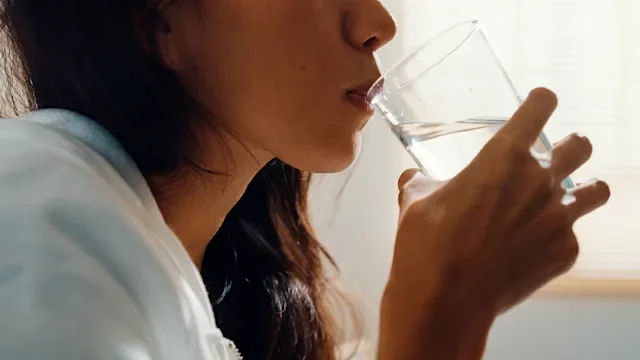
Most people need a clear liquid diet for the first 48 hours of a diverticulitis flare. That means avoiding solid foods and focusing instead on hydration. Clear liquid diets keep your body hydrated and give your gut time to cool off from inflammation.
The best clear liquids to consume during a diverticulitis flare include:
Water
Clear broths
Jell-O
Pulp-free juice
Electrolyte drinks
Popsicles
You can also have coffee, tea, and soda as part of a clear liquid diet. But these liquids can make diverticulitis symptoms worse for some people. So it’s important to listen to your body and avoid liquids that make your pain worse.
Getting enough liquids will keep you from becoming dehydrated. But they won’t provide enough nutrition to keep your body running smoothly and help you recover from a flare. That’s why it’s important to start eating again once you get the go-ahead from your healthcare team.
2. Dairy products
Dairy products are a great first food to eat during a diverticulitis flare. Many dairy products are just thicker liquids, and they’re also naturally low in fiber. This means that dairy products are easier to digest. Your inflamed intestines don’t have to work as hard to break them down and extract nutrients from them. This can help keep your symptoms under control.
Also, dairy products are high in important nutrients like protein and calcium, which can help with healing.

Read more like this
Explore these related articles, suggested for readers like you.

Some examples of dairy products you can try include:
Milk
Ice cream
Yogurt
Cottage cheese
Cheese
Some people may experience dairy intolerance during a flare even if they aren’t normally lactose intolerant. So avoid dairy products if you notice that your symptoms get worse when you eat them.
Let your healthcare team know if you have lactose intolerance. They may suggest other options for first foods during a flare. Or they may have suggestions for low-lactose and lactose-free dairy products.
3. Low-fiber grains and starches
Once you start to add solid food back into your diet, it’s important to focus on foods that are low in fiber. Low-fiber foods are easier to digest, so they put less stress on inflamed intestines. Low-fiber foods are less likely to worsen pain and bloating.
Examples of low-fiber grains and starches include:
White bread
White rice
White pasta
Saltine crackers
Peeled potatoes
Cornflakes cereal
You may be surprised to hear that you should eat these low-fiber foods. People with diverticular disease are encouraged to eat high-fiber foods as much as possible. It’s true that fiber can help prevent future flares. But during a flare, it’s important to let the intestines recover first. Once your intestine heals, you should go back to eating high-fiber foods.
4. Low-fiber fruits
Most fruits are naturally high in fiber, making them hard to digest. But a few fruits are low in fiber. These fruits also have other important vitamins and nutrients that your body can use during the healing process.
Some low-fiber fruits include:
Most canned fruits (except pineapple and those packed in heavy syrup)
Fruit sauces, like applesauce
Very ripe apricots
Bananas
Melons (cantaloupe, honeydew)
Seedless watermelon
Nectarines
Peaches
Papayas
Plums
5. Protein-rich foods
Many foods that are rich in protein are also naturally low in fiber. This makes them great foods to eat during a flare, because they’re easy to digest and contain important nutrients. The body uses protein during all its healing processes. So, getting enough protein is important for recovery from a diverticulitis flare.
Some low-fiber, protein-rich foods that can help you speed up your diverticulitis recovery include:
Cooked meat, fish, and poultry
Eggs
Smooth peanut butter
Tofu
Foods to avoid if you have a diverticulitis flare-up
Certain foods may worsen your symptoms during a diverticulitis flare. So, you may want to avoid these foods to help ease your symptoms. But you can go back to eating them once you recover. There’s no evidence that limiting these foods can prevent future flares or lessen your risk of developing complications during a flare.
Here are foods to avoid during a flare:
Beans, lentils, and legumes
Whole grains
High-fiber fruits and vegetables
Nuts, seeds, and popcorn
Fried, greasy, and spicy foods
There’s no solid evidence that certain foods directly cause diverticulitis. But it’s a good idea to limit foods that increase inflammation if you have diverticulitis or diverticulosis. These include:
Alcohol
Red meat
Processed meat
Ultra-processed food
Low-fiber foods
None of these foods are known to directly cause diverticulitis or diverticulosis. But prioritizing high-fiber foods and limiting these inflammatory foods may lower the chances of developing diverticulitis flares.
What to eat after a diverticulitis flare-up
You can go back to your usual diet after a diverticulitis flare-up, but there’s no set timeline for when that should happen. It depends on your symptoms and how your body responds as things improve. For many people, symptoms start to settle within 2 to 4 days, and they can begin adding foods back gradually.
As you start reintroducing foods, pay attention to how you feel. If symptoms return or worsen, it may be a sign to slow down and give your gut more time to recover. Contact your healthcare team if you’re still not able to return to your usual diet after 5 days.
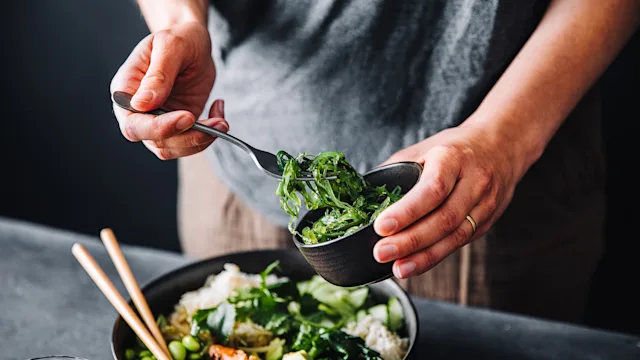
Once you’re feeling better, you’ll want to prioritize foods that support long-term gut health, like those mentioned below.
Whole grains
Whole grains are high in fiber and rich in nutrients, which can protect the gut and may lower the risk of future diverticulitis flare-ups.
Examples of whole grains include:
Oats
Brown rice
Quinoa
Barley
Whole-wheat bread
High-fiber fruits
In addition to fiber, fruits provide important vitamins and antioxidants that support overall gut health.
Examples of high-fiber fruits include:
Apples (with skin)
Pears
Raspberries
Blackberries
Oranges
High-fiber vegetables
Vegetables are a key source of fiber. Eating a variety of vegetables can also support a healthy gut environment and reduce the risk of future flare-ups.
Examples of high-fiber vegetables include:
Broccoli
Carrots
Spinach
Brussels sprouts
Sweet potatoes
It’s also safe to eat popcorn, nuts, and seeds once you’ve recovered from a diverticulitis flare. There’s no evidence that these foods can cause diverticulitis flares. And some nuts and seeds are also high in protein, fiber, and other gut-friendly nutrients.
Lean and plant-based protein
Lean and plant-based proteins provide important nutrients for gut health and recovery. Many plant-based protein sources also contain fiber.
Examples of lean and plant-based protein include:
Lentils
Black beans
Chickpeas
Tofu
Skinless chicken or turkey
When should you start feeling better from a diverticulitis flare?
It usually takes 2 to 3 days to start feeling better from a diverticulitis flare. Most people can go back to their usual diet within 5 days. And most people feel completely back to normal within 1 week.
Sometimes, though, people can develop severe symptoms that don’t go away on their own or even with oral antibiotics. It’s important to pay attention to your symptoms and get help if you aren’t getting better.
When to contact your healthcare team
Contact your healthcare team right away in these cases:
Any of your diverticulitis symptoms get worse at any point.
Your diverticulitis symptoms don’t seem to be getting better after 48 hours.
Your symptoms seem worse than during previous flares.
Your symptoms aren’t completely gone within 1 week.
When to seek emergency care
Some diverticulitis symptoms need immediate medical attention. You should go to the nearest urgent care center or emergency room (ER) if you develop these symptoms during a diverticulitis flare:
Bloody stools
Fever
Chills
Severe stomach or back pain
Inability to keep fluids down because of vomiting
Making less urine
Frequently asked questions
It’s not clear why some people with diverticulosis develop diverticulitis. Some people with diverticulosis never develop diverticulitis. But research suggests that there are several ways diverticulitis can develop:
Stool can get trapped in the diverticular pouches, which can trigger inflammation.
Pressure can build up in the diverticular pouches over time. This can cause small tears in the colon wall, which causes inflammation.
Changes in the gut microbiome can lead to inflammation.
There’s no way to completely eliminate the risk of diverticulitis if you have diverticulosis. Some people with diverticulosis develop diverticulitis, while others never do. Some people may have repeated episodes over time, while others may only experience one or a few.
Researchers don’t fully understand why this happens. But factors like diet, overall health, and certain medications, as well as genetics, may all play a role.
While you can’t remove the risk entirely, there are steps you can take to lower the risk of a future flare including:
Eating a plant-based, nutrient-rich diet that’s high in fiber
Not smoking
Staying active
Maintaining a healthy weight
Avoiding long-term use of nonsteroidal anti-inflammatory (NSAID) medications
It’s not clear why some people with diverticulosis develop diverticulitis. Some people with diverticulosis never develop diverticulitis. But research suggests that there are several ways diverticulitis can develop:
Stool can get trapped in the diverticular pouches, which can trigger inflammation.
Pressure can build up in the diverticular pouches over time. This can cause small tears in the colon wall, which causes inflammation.
Changes in the gut microbiome can lead to inflammation.
There’s no way to completely eliminate the risk of diverticulitis if you have diverticulosis. Some people with diverticulosis develop diverticulitis, while others never do. Some people may have repeated episodes over time, while others may only experience one or a few.
Researchers don’t fully understand why this happens. But factors like diet, overall health, and certain medications, as well as genetics, may all play a role.
While you can’t remove the risk entirely, there are steps you can take to lower the risk of a future flare including:
Eating a plant-based, nutrient-rich diet that’s high in fiber
Not smoking
Staying active
Maintaining a healthy weight
Avoiding long-term use of nonsteroidal anti-inflammatory (NSAID) medications
The bottom line
It’s important to let your gut rest and recover during a diverticulitis flare. Most people need to drink clear liquids and avoid solid foods for the first 48 hours of a flare. Once you can start eating again, focus on low-fiber and high-protein foods, which are easier to digest and help with inflammation recovery. After a flare resolves, focus on foods that are high in fiber, nutrients, and lean proteins. This can keep your gut healthy.

Why trust our experts?



References
Brown, R. F., et al. (2025). Diverticulitis: A review. JAMA.
Dahl, C., et al. (2018). Evidence for dietary fibre modification in the recovery and prevention of reoccurrence of acute, uncomplicated diverticulitis: A systematic literature review. Nutrients.
InformedHealth.org. (2021). Diverticular disease and diverticulitis: Learn More – treating acute diverticulitis. Institute for Quality and Efficiency in Health Care.
MedlinePlus. (2024). Diverticulosis and diverticulitis.
Peery, A. F., et al. (2021). AGA clinical practice update on medical management of colonic diverticulitis: Expert review. Gastroenterology.
Tursi, A., et al. (2006). Transient lactose malabsorption in patients affected by symptomatic uncomplicated diverticular disease of the colon. Digestive Diseases and Sciences.