Key takeaways:
Gout is a painful type of arthritis caused by a high amount of uric acid accumulating in the joints.
Gout flares may come and go but generally worsen over time if left untreated.
There’s no cure for gout, but medication and dietary changes can reduce gout flares.
Gout is a painful type of inflammatory arthritis that causes pain and swelling in your joints. It happens when uric acid accumulates and forms needle-like crystals in your joints and tissues.
It usually affects one joint at a time and often starts in the big toe. But gout can start in and affect other parts of the body, too.
Gout symptoms occur as flares that can last a week or two and then go away. But flares typically return periodically. Gout is more common among men. However, women can also develop gout. If gout goes untreated, the number of flares generally increases, and they take longer to resolve. There’s no cure for gout. But the condition can be managed with medication and lifestyle changes.
Here’s how three people describe gout pain and how they manage their condition.
The most excruciating pain she’s ever been through
Amy Liles’ gout symptoms started in 2009 when pain in her elbow woke her in the middle of the night. Her elbow was swollen. “It was a constant pain,” Amy says.
When she visited an orthopedic doctor, he diagnosed her with tennis elbow, the nickname for lateral epicondylitis, a condition caused by overuse or overstrain from sports or other activities that require repeated gripping or extension of the wrist. The doctor gave Amy steroid injections, which reduced her elbow inflammation. Eventually, Amy started having similar pain on the tops and sides of both feet.
Tophi lumps formed on Amy’s feet. A tophus forms when needle-like crystals build up in the joint and under the skin. Amy’s pain worsened. The doctor recommended that Amy wear orthopedic boots so she could walk.
“It felt like a bad break in the bones,” Amy recalls. Eventually, the pain moved to Amy’s big toe, shoulders and neck. She developed kidney stones, another complication of gout.
Still, no doctor suspected gout until a rheumatologist diagnosed her with the condition in 2021. By then, Amy had put a toilet chair beside her bed because she couldn’t get up or walk to the bathroom, she says. The rheumatologist ordered infusions every two weeks with Krystexxa (pegloticase), a gout medication that lowers uric acid levels.
Some people may need Krystexxa infusions for 6 months to a year to get their gout flares under control. But Amy needed the infusions for 2 years because by then she had crystallization throughout her body. Gradually, Amy’s gout flares became less frequent. Her last treatment was in December 2023. Today, Amy takes allopurinol (Zyloprim), a gout maintenance medication that keeps uric acid levels low. She’s also cut out soft drinks and eats more fruits and vegetables, she says.
Amy still has pain from rheumatoid arthritis and other health conditions. But she’s happy to be rid of the gout pain.
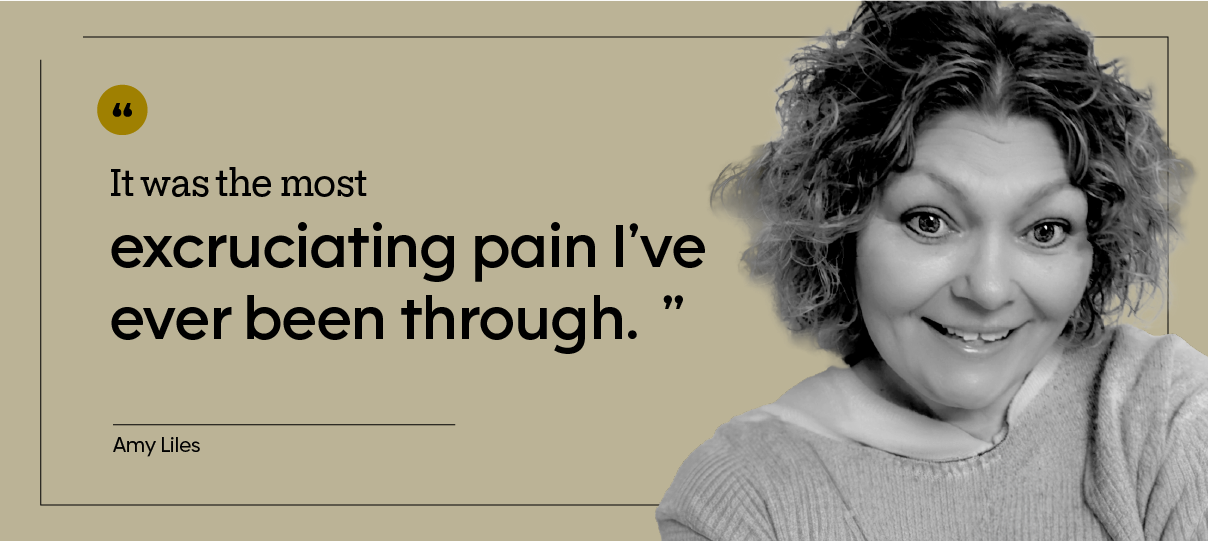
“It was the most excruciating pain I’ve ever been through, and I’ve had four kids,” Amy says.
He went 16 years without a gout diagnosis
Gary Ho, a 55-year-old patient advocate in Tampa, Florida, first had gout pain in his right ankle when he was 24. That night, his ankle swelled and started to tingle. “It felt like I had a severe sprain or a broken ankle,” he says.
When Gary visited a doctor a few weeks later, the physician told Gary he was too young to have gout. Eventually, however, Gary began having more painful flares.
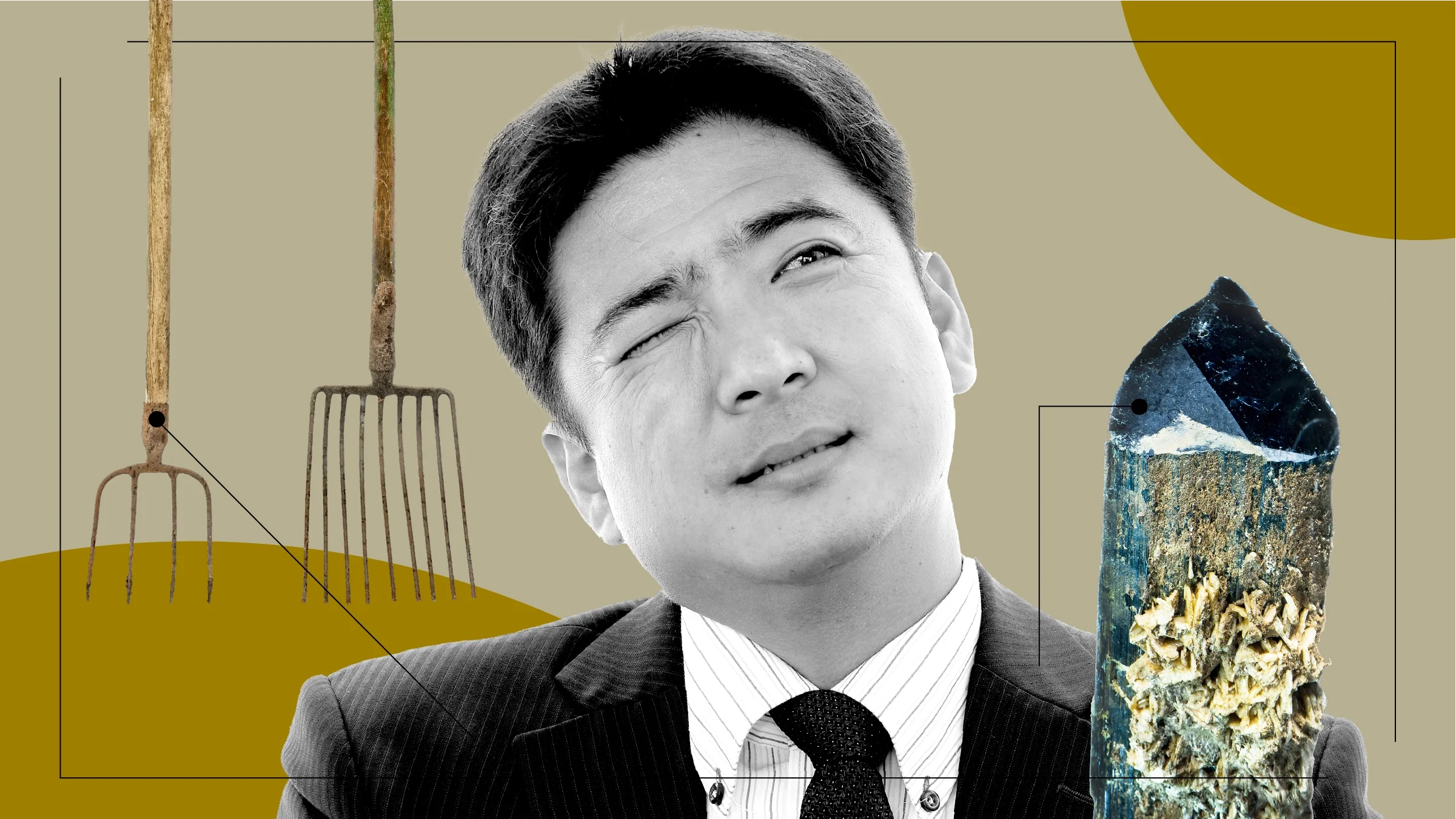
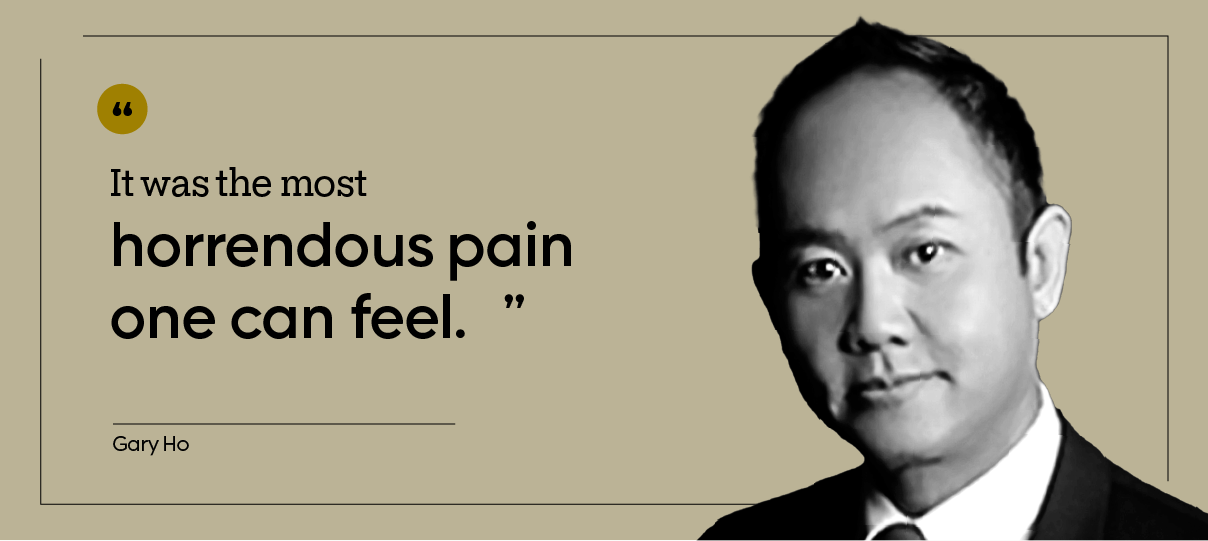
“It was the most horrendous pain one can feel,” Gary says. “It feels like there are a thousand tiny men with pitchforks inside your body stabbing their way out.” Finally, in 2010, when Gary was 40, a rheumatologist ordered blood work that confirmed Gary had gout.
By that time, Gary was having multiple attacks per year in his knees, toes, ankles, and wrists. The gout flares lasted months at a time. He had to use crutches and a wheelchair.
“I couldn’t believe how easy this disease was to diagnose,” Gary says. “If doctors would have just listened and had a little empathy for me, we could have diagnosed this problem.”
Gary’s rheumatologist prescribed him allopurinol. His uric acid levels dropped but were still too high. Then Gary underwent Krystexxa infusion treatments that lasted for 6 hours apiece. He underwent the treatments every 2 weeks for 6 months. The infusions brought his uric acid level down to nearly undetectable, he says.
“The first 3 months were hell,” Gary says. “My body reacted, and I started experiencing more attacks, which made me want to stop the treatment.”
Gary’s rheumatologist explained that the gout took years to develop. The condition would take time to become manageable.
After 3 months of treatment, Gary’s tophi were shrinking. By 9 months, all signs of gout were gone. Now, Gary takes febuxostat (Uloric), a gout maintenance medication. Gary says he hasn’t had a gout attack since he started treatment in 2010.
In 2015, Gary co-founded the Gout Support Group of America with Chris Parker, DO, a rheumatologist. The organization is an online resource and Facebook group for people who have gout.
“I take my medications religiously,” Gary says. “I understand the necessity for medication. I’m over the top of the world to have these symptoms gone.”

How long will I need to take medicine for gout? For some people, gout treatment requires lifelong medications.
What should I eat to prevent gout flares? Vegetables such as cauliflower and spinach are good for a gout diet. So are beans, soy, dairy, water, and fruits with vitamin C.
Can you get arthritis in your feet? Yes. And gout is a type of arthritis that often starts in the big toe.
He had to crawl to the bathroom
Walter Steen’s gout symptoms began with knee pain that woke him in the middle of the night when he was 35. Walter, now 63 and retired, lives in Philadelphia. Over time, the pain worsened.
“I would go to sleep with a little bit of pain,” Walter says. “The next thing I knew, it was bad, excruciating pain.”
The attacks lasted from 48 to 72 hours, sometimes even for a week to 10 days, Walter says. He didn’t go to the doctor because he was in denial, he says. By the time his primary care physician performed blood work to confirm a gout diagnosis, 20 years had passed.

The doctor told Walter that treatment could wait because his low uric acid levels hadn’t yet caused much crystallization. So, Walter decided to wait for treatment. Meanwhile, his gout pain worsened. At one point, the pain was so bad that Walter says he sometimes had to crawl to the bathroom.
About 5 years after diagnosis, Walter’s doctor prescribed febuxostat. The treatment didn’t help much. Next, Walter underwent Krystexxa infusions for 3 months, but he had to stop when his blood pressure dropped suddenly. Still, his gout responded to those three infusions, Walter says.
First, the tophi nodules on Walter’s hands, knuckles, wrists, and feet shrank. Later, a surgeon removed a tophus about the size of a Brussels sprout from Walter’s heel. Today, he takes febuxostat to manage gout. Walter also adds healthy foods to his diet and avoids alcohol.
Walter urges anyone who suspects they have gout to seek a diagnosis and start treatment with a maintenance medicine.
“Gout doesn’t go away, but it’s manageable,” he says. The longer you wait, he says, the longer it will sometimes take to get gout under control.
What does the doctor say?

Patricia Pinto-Garcia, MD, MPH
Senior Medical Editor
Gout is a painful type of arthritis. People who develop gout have high uric acid levels in their body. But it’s important to know that not everyone with high uric acid levels will develop gout. It’s still not clear why some people with high uric acid levels develop gout but others do not.
Without treatment, gout flares become more frequent and lead to joint injury and tophi formation.
Treatment for gout includes medications that lower uric acid levels. Diet changes can help, too. Some foods contain high levels of purine, a compound that’s broken down into uric acid. Eating foods that are naturally lower in purine — such as eggs, peanut butter, fruits and low-fat milk or ice cream — can help keep uric acid levels low.

Why trust our experts?